
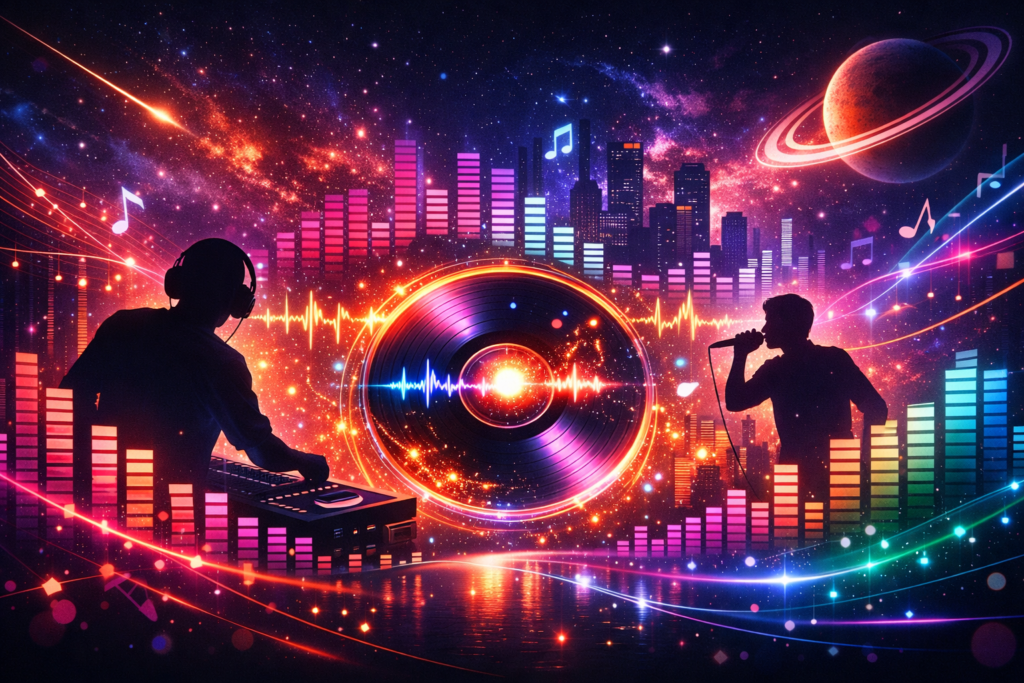
Music communicates emotion through rhythm, melody, and lyrical structure. Visual storytelling translates these auditory elements into imagery that enhances audience engagement. Modern video production tools allow musicians, content creators, and producers to transform music tracks into compelling visual narratives without requiring large production teams or expensive filming equipment. By combining motion graphics, lyric animation, and synchronized visual effects, creators can produce professional music videos that communicate the emotional tone and structure of a song.
The process involves analyzing musical elements, selecting appropriate visual frameworks, and using digital production tools to convert sound into motion.
Understanding the Relationship Between Sound and Visuals
Visual storytelling in music relies on translating auditory patterns into visual cues. Elements such as tempo, rhythm changes, and lyrical themes guide the visual structure of a music video.
Several musical components influence visual design:
- Tempo and beat structure determine animation pacing
- Song sections such as verses, choruses, and bridges define visual transitions
- Instrument layers can be represented through different motion effects
- Lyrical themes guide imagery, typography, and color palettes
For example, a fast-paced electronic track may use sharp motion graphics and glitch effects, while an acoustic song might benefit from subtle transitions and soft color gradients.
Many creators use automated animation tools to synchronize visual elements with audio signals. Platforms that provide music visualization tools allow artists to experiment with motion graphics without requiring advanced editing experience. Those interested in automated music animation tools can learn more about visualization platforms designed specifically for music video production.
Understanding how sound translates into motion helps creators design visuals that reinforce the emotional impact of a song.
Choose a Visual Narrative Structure
Every music video benefits from a clear narrative structure. Even abstract visualizations should follow a progression that mirrors the structure of the song.
Common visual narrative approaches include:
- Lyric-driven storytelling that displays animated text synchronized with vocals
- Concept-driven visuals built around symbolic imagery or themes
- Performance-style visuals simulating live performance environments
- Abstract music visualizers that translate sound waves into dynamic animation
The chosen narrative structure should match the tone of the music and the intended audience.
For instance, narrative storytelling works well for songs with strong lyrical content, while instrumental or electronic music often pairs effectively with abstract visualizers.
Steps to Create a Music Video Without Filming
Modern music videos can be produced entirely through digital animation platforms. These systems use templates, audio analysis, and customizable design elements to generate synchronized visuals.
A typical production workflow includes the following steps:
- Import the audio track
Upload the final mixed version of the song to the video platform. Audio analysis tools detect tempo and rhythm patterns. - Select a visual template
Choose a template that matches the style of the music. Templates often include preset animations designed to respond to sound. - Insert lyrics or visual elements
Add text, album artwork, logos, or visual overlays that represent the artist or theme of the song. - Adjust timing and transitions
Fine-tune the timing of animations so visual changes align with musical beats and lyrical phrases. - Customize colors and effects
Modify color palettes, typography, and animation effects to match the artist’s brand or album artwork. - Export the finished video
Render the video in high resolution for distribution on platforms such as YouTube, social media, or streaming services.
This structured workflow allows creators to produce professional music visuals quickly without filming scenes or hiring production crews.
Selecting the Right Video Templates
Templates provide the foundation for most digitally generated music videos. Well-designed templates include synchronized animation sequences that react to audio frequencies or beat detection.
Different template styles serve different types of music:
- Lyric video templates emphasize animated text synchronized with vocals
- Music visualizer templates generate animated audio spectrums or waveforms
- Cinematic motion templates incorporate background animations and dynamic transitions
- Minimalist typography templates focus on clean text animation for storytelling
Choosing the correct template is critical because it determines how the visual rhythm aligns with the music.
Creators should evaluate several factors when selecting templates:
- Compatibility with the song’s tempo
- Flexibility of text and visual customization
- Support for branding elements such as logos or album art
Templates designed specifically for music videos often include built-in beat detection that synchronizes animation with the audio automatically.
Synchronizing Visual Effects With Audio
Synchronization is essential for producing professional music videos. Visual transitions that align with drum hits, bass drops, or chorus changes create a cohesive relationship between sound and imagery.
Common synchronization techniques include:
- Beat-triggered animation changes
- Visual transitions during verse-to-chorus shifts
- Motion effects that follow waveform amplitude
- Color shifts tied to musical intensity
Advanced visualization platforms use audio frequency analysis to generate dynamic effects automatically. These effects adjust in real time based on the music signal.
For example, low-frequency bass sounds may control background motion, while high-frequency elements trigger particle effects or waveform animations.
Proper synchronization ensures that visuals feel integrated with the music rather than appearing random.
Designing Visual Identity for Artists
Music videos often serve as an extension of an artist’s visual brand. Consistent visual identity helps audiences recognize an artist across multiple releases.
Visual branding elements may include:
- Repeated typography styles
- Signature color palettes
- Logo placements within videos
- Consistent motion graphics themes
By maintaining visual consistency, artists can strengthen their brand identity across social media, streaming platforms, and promotional materials.
Even simple music visualizer videos can reinforce branding when design elements remain consistent across multiple songs.
Preparing Videos for Distribution Platforms
Once a music video is complete, it must be exported in formats compatible with major distribution platforms.
Standard export specifications typically include:
- Resolution: 1080p or higher for streaming platforms
- Aspect ratio: 16:9 for YouTube or 9:16 for vertical social media formats
- Frame rate: 24 or 30 frames per second for smooth playback
Many creators produce multiple versions of the same video optimized for different platforms.
For example, horizontal versions are suitable for YouTube, while vertical formats perform better on TikTok and Instagram.
Preparing multiple formats ensures that the music video reaches audiences across diverse platforms.
Turning music into visual stories involves combining audio analysis, motion graphics, and narrative design to create engaging visual experiences. By selecting appropriate templates, synchronizing animations with sound, and maintaining a consistent visual identity, creators can transform audio tracks into compelling music videos. With modern visualization platforms and digital production tools, artists can produce professional music visuals efficiently while maintaining creative control over their storytelling approach.
