
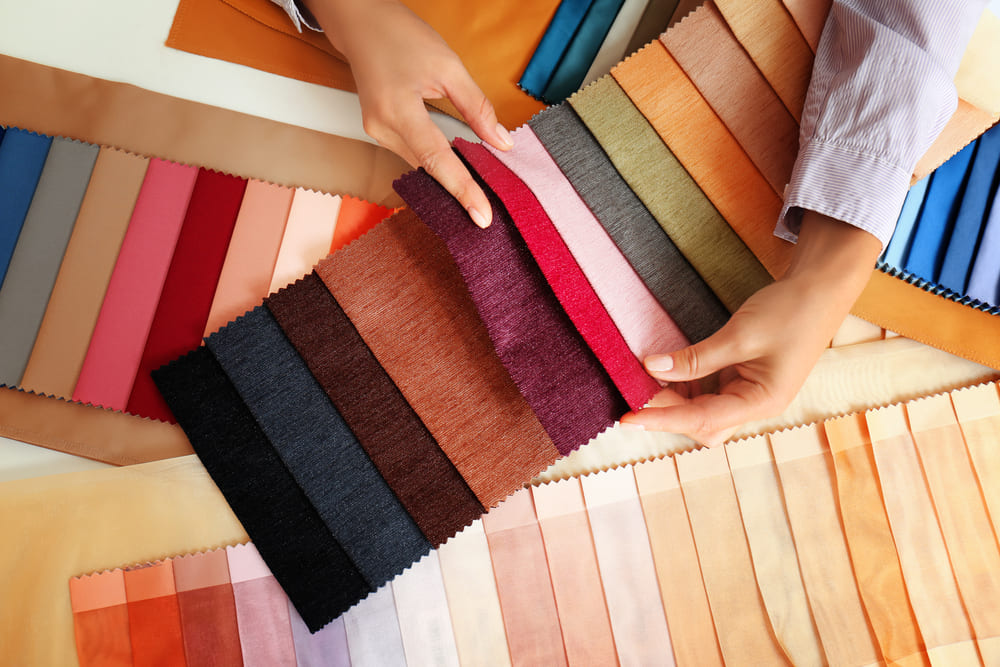
The right fabric for your clothes is the most crucial part when deciding on fabric for your new design. By popular demand, fibers can either be synthetic or cotton genetically. Each fiber goes through a different process of being twisted to create threads, and fabric consists of different types of properties. Some fibers are thick and strong, while others are soft and flexible. Ultimately, the fabric decides how it’s gonna feel against the skin and how long it will actually last. In this guide, we are going to discuss how many types of fabrics there are, why choosing the fabric is crucial, and how you can easily choose the right one for your needs.
Fiber Categorization
Fabric is just the final form of fibers woven or knitted together. At the core, they are the same. Generally, there are two main groups of fibers: natural and synthetic.
Natural Fibers
These are the fibers that are sourced from nature, such as from plants or animals. They are brilliant at providing comfort and sustainability. Some great examples of these fibers can be Cotton, Linen, Silk, and Wool.
Synthetic Fibers
On the other hand, these kinds of fibers are purely manmade. And as opposed to natural fibers, they are known to be sturdy, moisture-wicking, and long-lasting. Some popular examples under this category would be Polyester, Nylon, Spandex, and Rayon.
Apart from these two major categories, there are many fabrics used in everyday clothing, and mostly they are made from blending these two components together, extracting the best from both of the worlds.
Why Choosing The Right Fabric Is Crucial
If you choose the correct fabric for your lineup, you’d profit from it no matter the fabric. For example, choosing cotton men’s t-shirts for summer is a far wiser decision than choosing a synthetic like polyester. Because the cotton fibers will actually give your customers comfort and breathability. Just like that, choosing the correct fabric based on your function, such as blended fabrics for activewear, cotton for formal wear, matters. And, if you believe your fabric needs more longevity, maybe it’s wise to switch to durable fabrics.
What Is Fabric Weight or Fabric GSM?
The measurement unit of fabric weight is GSM, which is the abbreviation of Grams per Square Meter. In easier language, GSM is related to the thickness of the fabric. Generally speaking, the higher the GSM, the thicker the fabric will be. Because the weight of fabric increases if more raw fibers are used.
Usually, daily wear like t-shirts weighs between 150 and 200 GSM. That’s why many clothing brands prefer to source wholesale blank apparel for comfort, durability & easy customization.
Here’s a chart to make things easier on what GSM should be used for particular clothes:
| Category | GSM Range | Used For |
| Lightweight | <150 | Summer dress, Scarves |
| Medium Weight | 150-300 | T-shirts, Trousers, Hoodies |
| Heavyweight | >300 | Denim, Coats |
The Importance of Weaving & Knitting
The weaving and knitting of the fibers determine the texture of the fiber and its stretchability and durability.
Woven Fabrics
This practice is done on a loom with vertical and horizontal threads interlacing. They are known to be strong and usually do not stretch.
- Plain Weave: Simple over-under pattern. For example: Chiffon & Organza.
- Twill Weave: Diagonal pattern. It’s more durable. Example: Denim & Gabardine.
- Satin Weave: Long threads create a very smooth and glossy surface.
Knit Fabrics
On the other hand, knitting is done by interlocking loops of yarn. Their main functionality lies in their ability to stretch.
- Interlock: Double-knit fabric. It is generally thicker compared to others.
- Rib Knit: Made with vertical ridges. Because of their high elasticity, they are often used in cuffs and necklines.
How To Choose The Perfect Fabric
The secret to choosing the right fabric every time is to consider its practical uses first. Whether it’s going to be casual wear, formal wear, or activewear. Whether it’s a lightweight tee or a heavyweight sweatshirt. Whether you need it for comfort, durability, or long usage. If you focus on these factors, it becomes easier to narrow the selection of choices you might have.
Garment’s Purpose
- Formalwear: Go for high-quality silk or velvet.
- Casualwear: Opt for lightweight fabrics such as cotton or linen.
- Activewear: Choose stretchable & moisture-wicking fabrics like polyester blends.
- Summerwear: Lightweight cotton works the best
- Winterwear: Heavyweight fabrics are ideal, such as wool or fleece.
Texture & Comfort
Fabric’s texture is the deciding factor of how it’s going to feel against the skin. A soft, textured fabric is always more preferred and suitable for the consumer. That’s why when purchasing textile fabrics for your clothes, it’s important to feel for the textures first.
Stretch Test
If your clothing lineup requires stretchy material, opt for knit fabric. Especially, if your piece has any patterns that require stretching, it’s better to fold the fabric and pull it to see how much it stretches. A short stretch is not going to be ideal for your case.
Durability
Before buying the raw material, make sure the amount you’re investing in a fabric is going to be worth it by ensuring the material is easy to maintain and can be used daily without much wear and tear.
Scrunch Test
Grab a corner of the fabric and crush it in your fist for a good 30 seconds, and see how it reacts. If it remains smooth and gets straight out immediately, that indicates it’s a low-maintenance fabric. On the other hand, if it does not or a scrunch mark forms, that means the material needs ironing every time before wearing.
Ability Hold Color & Shape
Before making a big purchase, consider how the fabric will react after the first wash.
- Holding Shape: Fibers like cotton and wool always shrunk 5% to 10% after the first wash. So, if you are making any piece with them, it’s suggested to wash them beforehand. So that your consumers don’t face the shrinkage problem after washing.
- Holding Colors: Same issue with high-pigment fabrics, sometimes they also lose their vibrance after the first wash. You should always test this by rubbing a white, wet cloth against the fabric if any color loss occurs. If yes, it’s better to switch to a higher grade pigment before committing to and selling a large batch to consumers.
Sustainability and Ethics
Nowadays, customers are getting very environmentally conscious. So, choosing cruelty-free fabrics may actually leave a great positive impact on the customers’ mindset. Here are a few options that you can look up to:
- Organic Cotton: No synthetic pesticides. Reduces the chemical impact on the environment.
- Tencel: Manufactured from sustainable wood pulp that recycles 99% of the solvent used.
- Deadstock Fabric: Using leftover fabrics from factories to promote recycling.
Easy Guide Classified By Clothing Type
To make it even easier for you, here’s a rough chart of what to look for when targeting a particular type of clothing or dress.
| Clothing Type | Suitable Fabrics | What You Should Avoid |
| Summer Wear | Linen, Cotton, Rayon, Lyocell | Polyester, Wool, Nylon |
| Winter Wear | Wool, Cashmere, Heavy Blends | Cotton, Rayon |
| Activewear | Nylon, Polyester, Spandex | Cotton, Linen, Silk |
| Formal Wear | Cotton, Linen blends | Rayon, Chiffon |
| Loungewear | Lyocell, Cotton Jersey, Bamboo | Denim, Tweed |
Conclusion
All in all, choosing the right fabric for your clothes can change the game you’re playing. If you understand how the fiber type, weight, knitting & weaving work, which we hope you do by now, you will easily understand how a fabric is going to perform in the future. The next time you’re on a purchase trip, don’t just look at the colors, look at the GSM range, fiber blends as well.
