
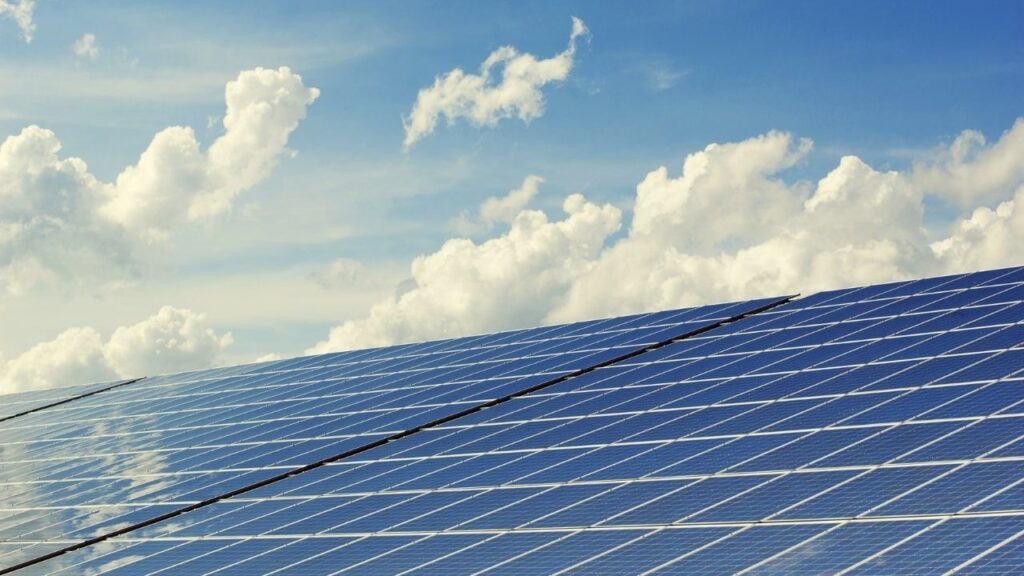
For customers comparing monocrystalline and thin-film solar panels, this choice directly affects efficiency, durability, maintenance costs, and overall return on investment. At PowerDream, we often see buyers focus solely on upfront costs, failing to consider the long-term performance implications adequately. A monocrystalline solar panel is made from a single, high-purity silicon crystal, resulting in a uniform structure and superior electrical properties. In contrast, thin-film solar panels utilize multiple layers of photovoltaic materials deposited on glass, metal, or plastic substrates. While both technologies convert sunlight into electricity, they exhibit significant differences in long-term performance under real-world operating conditions.
Monocrystalline Solar Panel Efficiency vs. Thin-Film Solar Panel Output Stability Over Time
Efficiency is one of the most critical distinctions between monocrystalline silicon and thin-film solar panels. Monocrystalline solar panels typically have efficiencies ranging from 20% to 23%, meaning they can generate more electricity per square foot. This high efficiency is particularly important in space-constrained locations, such as residential rooftops or commercial facilities with limited available area.
Thin-film solar panels generally have lower efficiencies, typically 10%-14%. While thin-film technology performs reasonably well under diffuse light or partial shading conditions, its lower power density requires a larger surface area to achieve the same output as monocrystalline silicon panels. This spatial disadvantage often limits long-term system expansion or optimization. From an energy output perspective, monocrystalline solar panels consistently deliver higher annual and lifetime energy yields, making them a better choice for users prioritizing long-term output stability.
Monocrystalline Solar Panel Durability vs. Thin-Film Solar Panel Resistance to Environmental Stress
Durability is a key factor determining the long-term performance of a solar system. Monocrystalline solar panel utilize tempered glass, robust aluminum alloy frames, and durable encapsulation materials designed to withstand wind loads, snow pressure, and thermal cycling. These structural advantages contribute to their extended lifespan in residential and industrial environments.
Thin-film panels, while lighter and more flexible in some designs, are generally more susceptible to mechanical damage and environmental factors. If the protective layer ages, exposure to moisture, UV radiation, and extreme temperatures will accelerate performance degradation. In harsh climates, this vulnerability often leads to higher maintenance requirements or earlier replacement cycles. Monocrystalline solar panels, however, can withstand harsh outdoor conditions for extended periods, offering both mechanical strength and environmental adaptability, resulting in superior performance.
Comparison of Degradation Rates
All solar panels experience performance degradation over time, but the rate of degradation varies by technology. High-quality monocrystalline solar panels typically degrade at a rate of 0.3% to 0.6% per year. This slow degradation allows many systems to maintain over 85% of their initial output power after 25 years of operation.
Thin-film solar panels generally degrade faster, especially in hot or humid climates. Some thin-film technologies also exhibit initial light-induced degradation, leading to a significant drop in output power during the initial operating period. Over decades, these losses accumulate, ultimately reducing the total power generated. For customers who prioritize long-term reliability and predictable performance, monocrystalline solar panels offer more stable degradation characteristics and a clearer lifespan expectation.
Economic Comparison Over the Lifecycle
At first glance, thin-film solar panels may seem more economical due to their lower manufacturing costs. However, a long-term cost analysis reveals a different picture. While monocrystalline solar panel have a higher initial investment, their higher efficiency, durability, and slower degradation rate often result in a lower cost per kilowatt-hour over the system’s lifespan. Thin-film solar systems typically require more panels, larger mounting structures, and additional wiring to achieve the same output power. These factors increase system balance costs and the complexity of installation. Maintenance and replacement costs further offset the initial savings. Over a 20 to 30-year assessment, monocrystalline solar panels consistently deliver greater economic value and higher lifetime returns for residential and commercial users.
Installation Flexibility of Monocrystalline Solar Panels
Installation flexibility is another crucial aspect of technology selection. Monocrystalline solar panels are compatible with a wide range of mounting systems, inverters, and energy storage solutions. Their standardized dimensions and electrical characteristics simplify system design and future upgrades. Thin-film solar panels offer advantages in some niche applications, such as lightweight structures or curved surfaces, where traditional solar panels are difficult to use. However, these applications represent only a small portion of the overall solar market. For most long-term installations, particularly grid-connected or hybrid systems, monocrystalline solar panels integrate more seamlessly with modern solar infrastructure.
Making the Right Choice
When comparing the long-term performance of monocrystalline silicon and thin-film solar panels, the ultimate deciding factors are performance stability, durability, and lifetime value. Monocrystalline solar panels excel in efficiency, structural reliability, and long-term, predictable energy output. Thin-film solar panels can meet specific short-term or specialized needs, but often fall short in lon
