
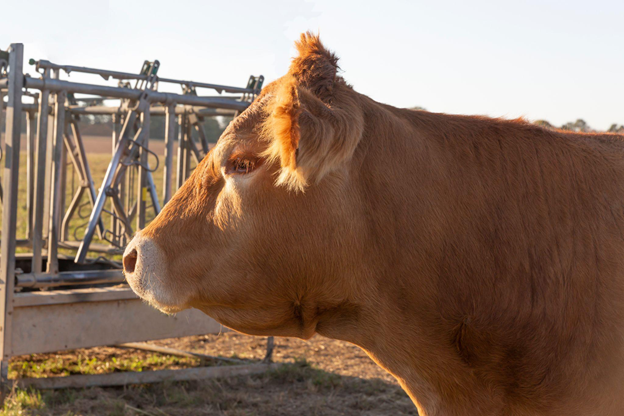
When you work with cattle every day, you get a good feel for their size. You can tell when a steer has filled out or when a heifer is ready for market just by looking at them. But looks can be misleading. A few extra kilos can mean the difference between profit and loss, especially when you’re selling in bulk.
That’s why weighing cattle properly matters. It helps farmers track growth, manage feed, monitor health, and sell at the right time. Over the years, weighing equipment has improved a lot. Today, there are several types of scales designed to suit different farm setups and herd sizes. Let’s take a closer look at the most common ones and how they work.
1. Mechanical Cattle Scales
Mechanical scales are the old-school option. They use springs and levers instead of digital displays. You guide the animal onto a platform, and the weight shows up on a dial.
These scales are simple and don’t rely on electricity. That makes them handy in remote areas. However, they can be harder to read and may lose accuracy over time due to wear and tear. They also need regular checks to ensure they remain correct.
Some farmers still like them because they’re sturdy and straightforward. But many are now moving toward digital options for better precision.
2. Digital Platform Scales
Digital platform scales are among the most popular today. They consist of a strong steel platform with load sensors underneath. The animal stands on the platform, and the weight appears instantly on a digital display.
These scales are accurate and easy to read. Many models can store data, which helps farmers track weight gain over weeks or months. That’s useful when checking feed performance or planning sales.
Digital systems are also easier to maintain. As long as the platform is kept clean and the electronics are protected from water and mud, they can last for many years.
3. Portable Weighing Systems
Not every farm has a fixed weighing station. That’s where portable systems come in. These setups are designed to move around the property. They usually include lightweight platforms or bars that can be placed under an existing cattle crush.
Portable units are great for smaller farms or properties where cattle are moved between paddocks. Instead of bringing the herd to a central yard, you can bring the scales to them.
In many cases, farmers combine these portable systems with strong and reliable cattle weighing scales that fit under their crush. This makes the weighing process faster and less stressful for the animals.
4. Crush Weighing Systems
Crush weighing systems are built into the cattle crush itself. When the animal walks into the crush for tagging, treatment, or inspection, it is weighed at the same time.
This setup saves time and reduces handling. There’s no need to move the animal onto a separate platform. It’s already in position. That means less stress for the cattle and safer working conditions for farm staff.
These systems are often used in medium to large operations where efficiency matters. The scale bars sit beneath the crush, and a digital indicator displays the weight clearly. Some systems can even connect to farm software for record-keeping.
5. Walk-Over Weighing Systems
Walk-over weighing systems are more advanced. They are placed along a path where cattle regularly pass, such as between a water point and grazing area.
As the animal walks across the platform, the system records its weight automatically. This allows farmers to collect data without yarding the cattle every time. It’s a low-stress option and ideal for monitoring weight gain in the background.
These systems are more common on larger properties because they require planning and setup. But once installed, they can save a lot of labour.
6. Load Bar Kits
Load bar kits are a flexible solution. Instead of a full platform, they use heavy-duty bars that sit beneath a crush or platform. The bars measure the weight and send the reading to a digital display.
This option is popular because it’s adaptable. Farmers can use their existing cattle handling equipment and simply add the weighing component. It’s cost-effective and practical.
Load bars are also built tough to handle rough conditions, mud, and heavy livestock. With proper installation, they provide accurate results for many years.
Choosing the Right Scale for Your Farm
Every farm is different. The best scale for one property might not suit another. When deciding, think about:
- Herd size
- Frequency of weighing
- Budget
- Available yard space
- Whether you need portability
It’s also important to choose equipment that is strong, reliable, and easy to service locally. Accurate weighing isn’t just about numbers. It supports better feeding plans, improves herd health, and helps farmers sell with confidence.
Your Smart Weighing Choice
Weighing cattle may seem simple, but the right equipment can make a big difference. Whether you choose a portable system, a built-in crush setup, or a full digital platform, the goal is the same: clear, accurate results without adding stress to your livestock.
For many farmers, upgrading to a modern system such as a Cattle Crush Weighing Kit can streamline daily work and improve record-keeping. Reliable equipment means fewer errors and better decisions.
If you’re looking for dependable weighing solutions, Meltrons Australia in Sydney provides equipment designed to handle tough Australian farm conditions while delivering accurate results you can trust.
