
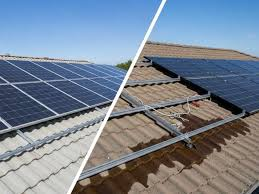
Installing solar panels is often seen as a straightforward upgrade, but the condition of the roof beneath them plays a crucial role in determining long-term performance and reliability. A roof is more than just a surface for mounting panels; it serves as the structural foundation that supports the entire system. If the roof is compromised, even the most advanced solar setup can face complications over time. Factors such as material durability, age, structural strength, and existing damage all influence how effectively solar panels can be installed and maintained. Understanding the relationship between roof condition and solar installation helps ensure the system performs efficiently and avoids unnecessary repairs or future disruptions.
Roof Condition and Solar Performance
- Structural Integrity and Load Support
The structural integrity of a roof is one of the most important considerations before installing solar panels. Solar systems add weight, and while this load is generally manageable for most modern roofs, older or weakened structures may struggle to support it safely. Roofing materials that have deteriorated over time can become brittle or unstable, increasing the risk of damage during or after installation. Even if the roof appears stable from the outside, hidden weaknesses in the framework can create long-term issues once panels are mounted. In many cases, a thorough structural assessment is necessary to determine whether reinforcements are required. Ensuring that the roof can handle the additional weight is essential for preventing sagging, leaks, or structural failure.
- Roof Age and Long-Term Compatibility
The age of a roof significantly affects its suitability for solar installation. Roofs nearing the end of their lifespan may not provide a reliable foundation for panels that are expected to last for decades. Installing solar panels on an aging roof can lead to complications if repairs or replacement become necessary shortly after installation. This often results in additional costs, as panels may need to be removed and reinstalled during roofing work. Many homeowners consult a Solar energy company before proceeding to ensure that the roof’s remaining lifespan aligns with the expected durability of the solar system. Aligning these timelines helps avoid unnecessary disruptions and ensures that both the roof and the solar panels operate efficiently together over the long term.
- Surface Condition and Installation Stability
The surface condition of a roof directly impacts how securely solar panels can be mounted. Uneven surfaces, damaged shingles, or warped sections can complicate installation and reduce the stability of the mounting system. A smooth, well-maintained surface allows proper alignment and secure attachment of panels, minimizing the risk of movement or misalignment over time. Roofs with visible wear or damage may require repairs before installation can proceed safely. Ignoring these issues can lead to complications such as loose panels, water infiltration, or reduced system efficiency. A stable and properly prepared surface ensures that the installation process is both safe and effective.
- Impact of Roof Material on Installation
Different roofing materials influence how solar panels are installed and how well they perform over time. Asphalt shingles, metal roofing, and tile roofs each require different mounting techniques and considerations. Some materials are more compatible with solar installations, offering easier attachment and greater durability under the added load. Others may require additional precautions to prevent damage during installation. For example, certain tile roofs can be more fragile, increasing the risk of breakage if not handled carefully. The choice of mounting hardware and installation approach must align with the roof material to ensure long-term reliability. Understanding these differences helps ensure that the system is installed correctly without compromising the roof’s integrity.
- Weather Exposure and Roof Durability
Roof condition is closely tied to its ability to withstand environmental factors, which also affect solar panel performance. Roofs exposed to harsh weather conditions, such as heavy rain, intense sunlight, or strong winds, may show signs of wear that affect their durability. These conditions can weaken roofing materials over time, reducing their ability to support solar installations. Additionally, areas with frequent temperature fluctuations can cause expansion and contraction in roofing materials, leading to cracks or gaps. When solar panels are installed on a roof that has already experienced significant weather-related stress, the likelihood of future issues increases. Evaluating the roof’s ability to handle ongoing environmental exposure is an important step in ensuring a reliable installation.
- Maintenance Considerations and Accessibility
The condition of a roof also affects how easily maintenance can be performed on both the roof and the solar panels. A well-maintained roof allows for easier access and reduces the risk of complications during routine inspections or repairs. Conversely, a roof with existing damage or structural concerns can make maintenance more challenging and potentially hazardous. Solar panels are designed to last for many years, but they still require periodic checks to ensure optimal performance. If the roof beneath them is not in good condition, addressing issues can become more complex and costly. Planning for accessibility and maintenance needs is essential for ensuring that both the roof and the solar system remain in good condition over time.
- Long-Term Value and System Reliability
The relationship between roof condition and solar installation extends beyond the initial setup, influencing the system’s overall value and reliability. A strong, well-maintained roof provides a stable foundation, supporting consistent energy production and reducing the risk of unexpected issues. In contrast, installing panels on a compromised roof can lead to recurring problems, affecting both performance and financial return. Ensuring that the roof is in suitable condition before installation helps protect the investment and supports long-term efficiency. By addressing potential concerns early, property owners can avoid disruptions and ensure that their solar system operates as intended for years to come.
- Understanding Roof and Solar Integration
Roof condition plays a critical role in determining the success of a solar installation. Factors such as structural strength, age, surface condition, and material type all influence how effectively panels can be installed and maintained. Ignoring these aspects can lead to complications that affect both the roof and the solar system over time. By ensuring that the roof is properly evaluated and prepared before installation, property owners can support reliable performance and long-term durability. A well-matched combination of roof and solar system creates a stable foundation for consistent energy production, helping maximize efficiency while minimizing the risk of future issues.
