
If you have been researching solar energy solutions and keep coming across the term hybrid solar inverter without a clear explanation of what it actually means, how it works, or whether it is the right choice for your situation, this guide is written for you. The solar industry has its own vocabulary, and the distinction between different inverter types can be genuinely confusing. By the end of this article, you will have a clear, practical understanding of hybrid technology and what to look for when choosing a system.
To understand what makes a hybrid solar inverter different, it helps to understand what came before it. The earliest residential solar systems used string inverters — devices that connected a row of solar panels together and converted their combined DC output into AC power for the home. These systems worked well when the sun was shining, but they sent all unused power back to the grid and provided no backup when grid power failed. The next evolution was the addition of separate battery inverters that could manage energy storage, but these required two separate pieces of equipment, more complex wiring, and higher installation costs.
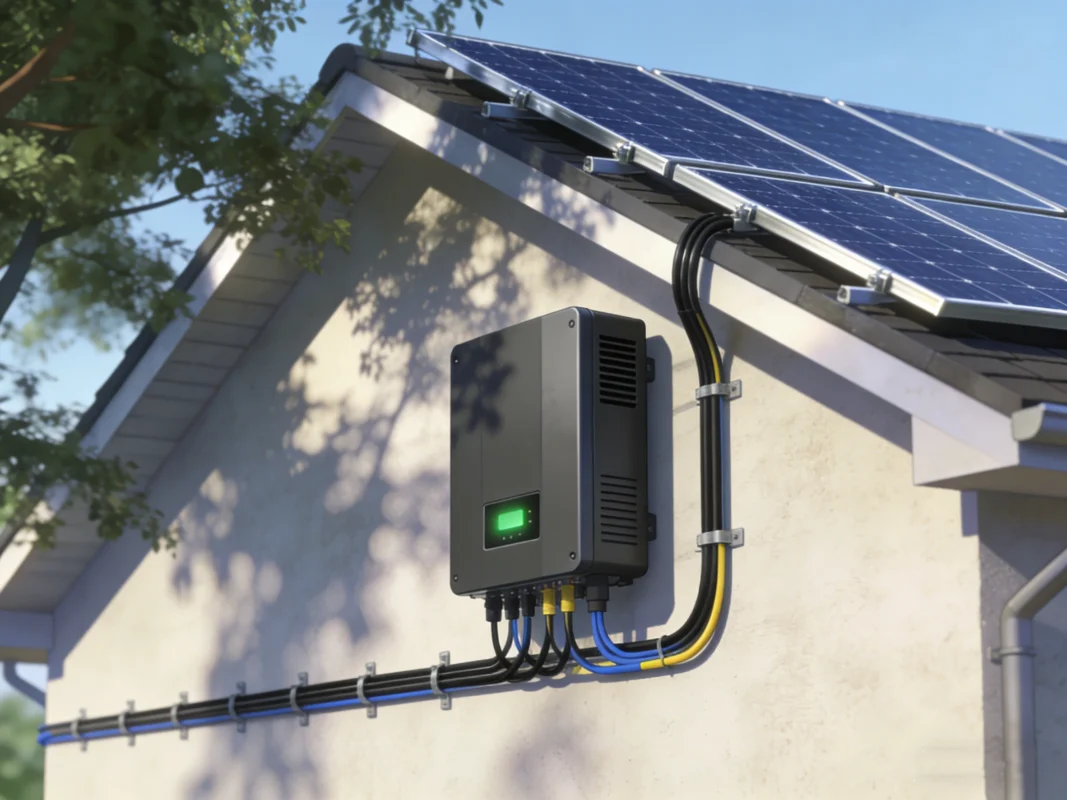
A hybrid inverter combines both functions into one unit. It manages your solar panels, converts DC to AC, charges and manages your battery bank, and handles all grid interaction — import, export, and disconnection — through a single integrated device. This simplicity has real practical benefits: lower component costs, simpler installation, easier maintenance, and a single point of monitoring and control for your entire energy system.
There are several operating modes that a quality hybrid inverter should support. The first is grid-tied mode, where the system prioritises solar generation, uses battery storage to reduce grid consumption, and remains connected to the utility for backup. The second is off-grid mode, designed for properties with no grid connection, where the inverter manages all power from solar panels and batteries exclusively. The third is a hybrid or self-consumption mode that combines elements of both, maximising the use of solar and stored energy while maintaining grid connection as a safety net. Understanding which mode suits your property and lifestyle is one of the first steps in choosing the right system.
Battery compatibility is a critical consideration. Not all hybrid inverters work with all battery types. The most common battery technologies used with hybrid systems today are lithium iron phosphate, known as LiFePO4, and lead-acid in both flooded and sealed varieties. Lithium batteries offer longer cycle life, higher depth of discharge, and more compact physical size, making them the preferred choice for most new installations despite a higher upfront cost. Your inverter must be compatible with your chosen battery chemistry, and the battery management system within the inverter must be capable of correctly charging and protecting that battery type. Always confirm compatibility before purchasing either component.
MPPT charge controllers built into the inverter are what connect your solar panels to the system. The number of MPPT inputs your inverter has determines how many separate strings of panels you can connect, and this becomes important when your roof has panels facing different directions or at different angles. A good hybrid inverter will offer two or more independent MPPT inputs with high maximum input voltages and current ratings that match the output characteristics of modern high-efficiency solar panels.
Sizing your system correctly is essential to getting good value from the investment. Your inverter’s continuous output rating should match your home or business’s typical peak power demand. Your battery capacity should be large enough to cover your consumption during the hours when solar generation is unavailable, typically overnight plus any extended cloudy periods. Your solar array should be sized to both meet daytime demand and charge your batteries fully on a typical day. Getting this balance right requires a proper site assessment and load analysis, which a reputable supplier will provide as part of the sales and installation process.
Warranty and after-sales support deserve serious attention. A hybrid inverter is a sophisticated piece of electronics that will be central to your energy system for the next ten to fifteen years. The manufacturer’s warranty length, what it covers, and how warranty claims are handled in your region all matter. Established manufacturers like Felicity Solar provide multi-year warranties backed by genuine technical support infrastructure, which is an important factor when evaluating the long-term cost of ownership.
Choosing a hybrid solar inverter is one of the most impactful energy decisions you will make. Take the time to understand your requirements, compare specifications carefully, and work with a supplier who can support you from initial assessment through installation and ongoing operation.
