
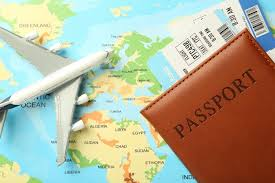
Moving to another country changes pretty much everything. New surroundings, different routines, and unfamiliar systems for basic tasks like grocery shopping or paying a bill. Rewarding? Sure. But it takes planning that goes way beyond booking a flight.
Most people underestimate how many details need attention before departure. Visa applications, banking, healthcare coverage, finding a place to live, and figuring out how to actually get your stuff across borders. All of it takes time. Starting several months in advance makes a real difference.
Paperwork Comes Before Everything Else
Before anything gets packed, documentation needs to be sorted. Passports should be valid for at least six months beyond the planned entry date. Many countries enforce this strictly, and getting turned away at the airport isn’t how anyone wants to start a new chapter.
Visa applications vary wildly depending on where you’re going and why. Some take weeks. Others take months. Researching specific requirements early prevents last-minute scrambling.
Birth certificates, marriage licenses, academic transcripts, and medical records. You might need official copies or translations for all of them. Some countries require documents to carry an apostille, which is basically international authentication. The U.S. Department of State has guidance on this, but fair warning: processing can take several weeks depending on what you’re submitting.
Moving Belongings Internationally
Deciding what to bring and what to leave behind is harder than it sounds. Shipping household goods overseas costs a lot, and not everything is worth the expense or hassle.
For those bringing a vehicle, the process involves more than arranging transport. To ship a car overseas, you’ll need to handle customs documentation, export requirements, and compliance with the destination country’s import rules. Some countries impose age restrictions on imported vehicles or require modifications for local safety and emissions standards. Worth researching before committing to anything.
Most people find it practical to ship only items with sentimental value or things that would be difficult to replace. Furniture, kitchen stuff, and electronics. Often cheaper to buy locally than to ship across an ocean. Getting quotes from multiple international moving companies helps figure out whether shipping specific items makes financial sense.
Financial Preparation
Money management gets complicated when you cross borders. Currency exchange, transfer fees, and different banking systems. It all factors into daily life abroad.
Opening a bank account in the destination country before arrival simplifies things, though not every country allows this remotely. Notifying current banks about the move prevents accounts from getting frozen when unexpected foreign activity shows up. Credit cards with no foreign transaction fees help too. And having some local currency on hand for the first few days avoids those terrible airport exchange rates.
Tax obligations might apply in both countries. U.S. citizens have to file regardless of where they live. Talking to a tax professional who knows expatriate rules helps avoid surprises down the line.
Healthcare and Insurance
Healthcare systems vary dramatically between countries. What’s covered, how you access care, and what you pay out of pocket. All different from what you might expect.
International health insurance plans designed for expatriates provide coverage across borders. Many include emergency evacuation services, which sounds dramatic until you’re somewhere remote and need it. The Centers for Disease Control and Prevention offers country-specific health information, including recommended vaccinations. Schedule those four to six weeks before departure if multiple doses are needed.
Gather copies of medical records, prescription info, and vaccination history before leaving. Prescriptions should include generic drug names since brand names often differ between countries.
Finding Housing From a Distance
Securing housing before arrival provides stability during an already chaotic time. Some people arrange temporary accommodation for the first few weeks while searching for something permanent on the ground. Others work with relocation services or real estate agents who specialize in helping expatriates.
Rental processes vary. Some countries require extensive documentation, local references, or upfront payments covering several months. Understanding these requirements in advance prevents frustration when you’re already dealing with jet lag and trying to figure out how the subway works.
The Adjustment Period
Settling into a new country takes time. Even with solid preparation, the first few months involve learning new systems, adapting to cultural differences, and building a social network from scratch. Not exactly quick work.
Joining expatriate communities helps. So does attending local events and taking language classes if needed. Patience matters here. Not everything feels familiar right away, and honestly, that’s part of it.
International moves require more preparation than domestic ones, but the process becomes manageable when broken into steps. Start early, gather documentation, sort out finances, and research where you’re going. The effort pays off once the adjustment period passes and the new place starts feeling like home.
