
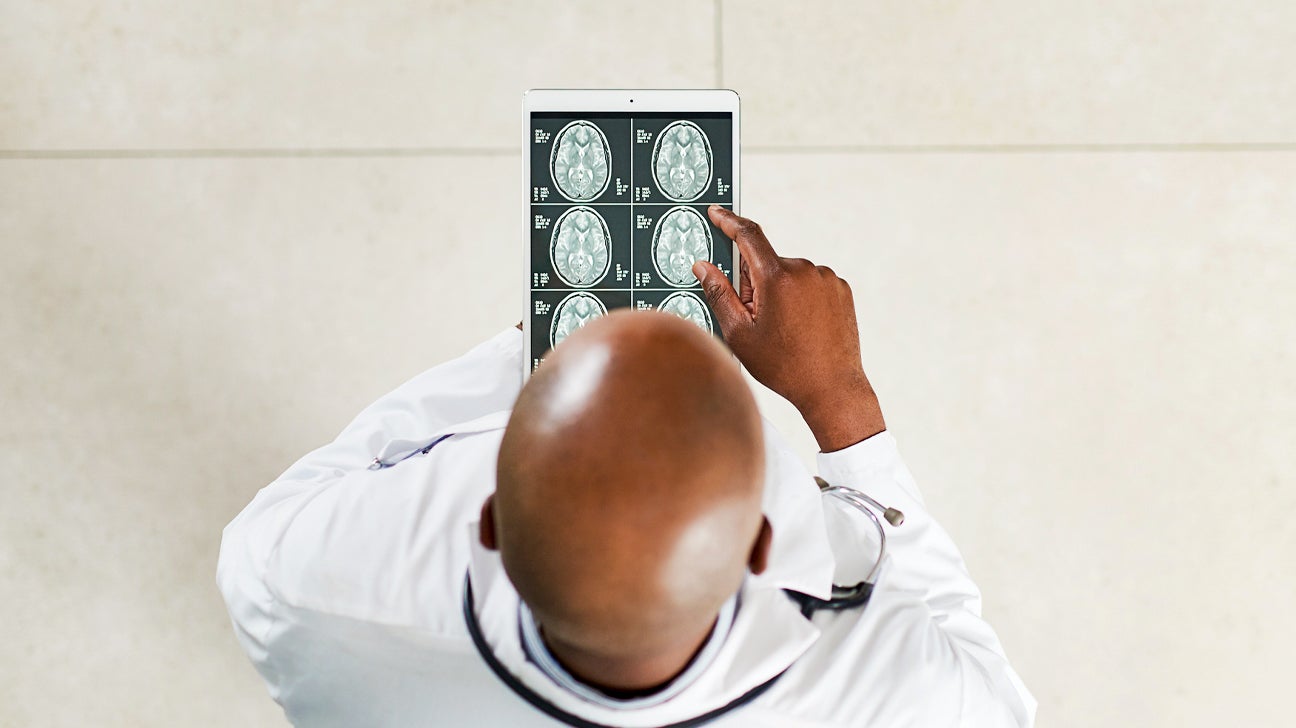
Sometimes, your regular doctor just can’t figure out what’s going on. When your head hurts too much, you forget things, or your body just feels off in a way that’s hard to explain, it might be time to look beyond your primary care physician. Your nervous system is pretty important, controlling everything from your thoughts to how you move, so when it acts up, it’s a big deal. Recognizing the signs that point to a specialist, like those at a Las Vegas neurology center, can make all the difference in getting the right help.
Key Takeaways
- Don’t ignore symptoms like sudden severe headaches, vision loss, or weakness; these could be emergencies needing immediate neurological attention.
- Gradual worsening of memory, balance, or strength often signals conditions that benefit from early specialist treatment.
- Persistent issues like frequent dizziness, chronic pain without a clear cause, or unexplained tremors warrant a neurologist’s evaluation.
- Seizures, significant changes in vision, or persistent numbness and tingling are clear indicators to see a neurologist.
- For complex conditions or when seeking clarity, a specialized las vegas neurology center can provide expert diagnosis and treatment plans.
When to Seek Expert Neurological Care
Your nervous system is pretty amazing, controlling everything from your heartbeat to your thoughts. But when something goes wrong, it can be serious. Sometimes, your primary care doctor is the perfect first stop. Other times, though, you really need someone who specializes in the brain and nerves – a neurologist. So, how do you know when it’s time to make that call?
Sudden Onset of Severe Symptoms
This is the big one. If you suddenly experience something really off, don’t just wait it out. Think of it like this: if you broke your arm, you wouldn’t just hope it got better on its own, right? The same goes for your brain and nerves. Things like:
- A really bad headache that comes out of nowhere.
- Trouble speaking or understanding others.
- Sudden weakness or numbness, especially on one side of your body.
- Vision that suddenly goes blurry or disappears.
These could be signs of a stroke or something else that needs immediate attention. Time is super important here, so getting to a specialist fast is key.
Progressive Neurological Decline
Not everything is a sudden emergency. Sometimes, problems creep up on you. Maybe your memory isn’t what it used to be, or you’re finding it harder to keep your balance. Perhaps you’re noticing a slow but steady increase in muscle weakness. These kinds of gradual changes, especially if they keep getting worse, are often signals that a neurologist needs to take a look. Early treatment can make a big difference in managing conditions that get worse over time.
Persistent and Unexplained Symptoms
Even if a symptom doesn’t seem like a huge deal, if it sticks around and you don’t know why, it’s worth getting checked out. A headache that won’t quit for days, dizziness that comes and goes without reason, or a strange tingling sensation that just won’t stop – these are all reasons to see a neurologist. Your primary doctor might not be able to figure it out, and that’s okay. That’s what neurologists are for.
Don’t dismiss persistent or sudden neurological symptoms. Your brain and nervous system are complex, and specialized care can make all the difference in diagnosis and treatment. It’s better to be safe than sorry when it comes to your neurological health.
Recognizing Signs of Neurological Distress
Your body sends signals all the time, and sometimes those signals are trying to tell you something important about your brain and nervous system. It’s easy to brush off a nagging headache or a bit of fogginess as just being tired or stressed. But when these things stick around or get worse, it might be time to pay closer attention. Ignoring these signs could mean missing out on early treatment that makes a big difference.
Frequent or Debilitating Headaches
We all get headaches now and then, right? But if your headaches have suddenly become much worse than usual, or if they’re happening way more often, that’s a red flag. Maybe they’re the kind that knock you out for a whole day, or perhaps they come with other weird symptoms like blurry vision or feeling sick to your stomach. These aren’t just typical headaches; they could point to bigger issues like pressure changes in your head or problems with blood vessels. Don’t just pop another painkiller and hope for the best.
Persistent Dizziness and Balance Issues
Feeling dizzy or like the room is spinning can be really unsettling. If this isn’t just a one-off thing after standing up too fast, and you’re finding yourself unsteady on your feet more often, it’s worth looking into. Maybe you’re bumping into things or feeling off-kilter even when you’re sitting still. This could be related to how your brain processes balance, and it might signal something more serious is going on with your inner ear or even your brain itself.
Sudden Vision Changes
Your eyesight is pretty important, so any sudden changes should get your attention right away. If you suddenly start seeing double, notice blind spots, or feel like your field of vision has shrunk, don’t wait. These kinds of changes can happen fast and, if left unchecked, could lead to lasting vision problems. They can sometimes be an early sign of a stroke or other serious neurological events.
Addressing Cognitive and Movement Concerns
Sometimes, changes in how we think or move can be subtle at first. You might brush them off as just getting older or being tired, but they could be signals from your brain that something needs a closer look. It’s easy to ignore these things, especially when life is busy, but paying attention can make a big difference.
Noticeable Memory Loss or Confusion
It’s one thing to forget where you put your keys occasionally, but it’s another if you’re finding it hard to remember recent conversations, get lost in familiar places, or struggle to follow along with simple tasks. This isn’t just about occasional forgetfulness; it’s about a pattern of confusion or memory issues that start to interfere with your daily life. Family members might notice changes too – maybe you’re becoming more withdrawn, or having trouble with decision-making. These shifts could point to conditions like early dementia, or even issues with specific parts of the brain. It’s not always a sign of something serious, but it’s definitely worth getting checked out by a specialist.
Unexplained Tremors or Movement Difficulties
Have you noticed a slight shake in your hands when you’re trying to hold something, or maybe your walking feels a bit different lately? Stiffness, slowness in movement, or involuntary shaking (tremors) can be signs of neurological conditions. Think about Parkinson’s disease or essential tremor. These aren’t things that typically resolve on their own. A neurologist can perform specific tests to figure out what’s causing these changes and how to manage them. Early diagnosis is key here, as it can help slow down the progression and improve your ability to keep doing the things you enjoy.
Chronic Pain with Neurological Origins
Pain is complex. While many types of pain are musculoskeletal, sometimes pain, numbness, or tingling sensations can stem from nerve issues. Persistent pins-and-needles feelings, burning sensations, or weakness in your limbs that don’t have a clear cause might indicate nerve damage or conditions like multiple sclerosis or peripheral neuropathy. A primary care doctor might offer pain relief, but if the pain is persistent and the cause is unclear, a neurologist can use specialized tests, like nerve conduction studies, to pinpoint the source and offer more targeted treatments. It’s about getting to the root of the problem, not just masking the symptom.
Understanding Specific Neurological Conditions
Sometimes, what feels like a general ache or a bit of forgetfulness can actually point to something more specific happening within your nervous system. Your primary care doctor is great for a lot of things, but when it comes to the intricate workings of your brain and nerves, a specialist is often needed. Let’s look at some common signs that might mean it’s time to see a neurologist.
Seizures and Altered Consciousness
If you’ve experienced a seizure, or if someone has told you that you had an episode where you seemed out of it or unresponsive, this is a big one. Seizures are a direct sign of unusual electrical activity in the brain. While a single seizure might not automatically mean epilepsy, any event involving altered consciousness, strange sensations, or involuntary movements needs a neurologist’s attention. They can figure out what’s going on and how to manage it, which is super important for your safety and well-being.
Numbness, Tingling, or Weakness
That pins-and-needles feeling, or a sudden loss of strength in a limb, can be more than just sleeping on your arm funny. Persistent numbness, tingling (doctors call it paresthesia), or noticeable weakness, especially if it happens on just one side of your body or comes on suddenly, could signal a problem with your nerves or even a stroke. It could also be a sign of conditions like multiple sclerosis or nerve damage. A neurologist can run tests, like nerve conduction studies, to see exactly where the issue lies.
Sleep Disturbances with Neurological Links
We all have off nights, but if you’re dealing with persistent sleep problems that don’t seem to have a simple explanation, it might be worth looking into. Things like uncontrollable leg movements at night (restless legs syndrome), sudden episodes of muscle weakness when you’re emotional (cataplexy, often linked to narcolepsy), or even severe snoring that disrupts your sleep could have neurological roots. These aren’t just annoying; they can impact your overall health and daytime function, and a neurologist can help diagnose and treat the underlying cause.
The Role of a Las Vegas Neurology Center
Sometimes, your primary care doctor might not have all the answers when it comes to tricky brain and nerve issues. That’s where a specialized Las Vegas neurology center comes in. Think of them as the detectives for your nervous system. They have the specific tools and knowledge to figure out what’s really going on when things like persistent headaches, weird tingling, or memory slips start happening.
Specialized Diagnosis and Treatment
A neurologist is a doctor who focuses just on the brain, spinal cord, and all those nerves running through your body. They’re trained to spot conditions that a general doctor might miss. They use advanced tests, like MRIs, EEGs (which check brain waves), and EMGs (which look at nerve and muscle function), to get a clear picture. This specialized approach means you’re more likely to get an accurate diagnosis the first time.
Here’s a quick look at what they do:
- Diagnose: Identify conditions like epilepsy, Parkinson’s, MS, stroke after-effects, and even complex sleep disorders.
- Treat: Develop personalized plans using medication, therapies, and sometimes even advanced procedures.
- Monitor: Keep track of chronic conditions to manage symptoms and prevent worsening.
Managing Complex Neurological Disorders
Many neurological conditions aren’t simple colds; they can be long-term and require ongoing care. A neurology center is equipped to handle these complexities. They understand that conditions like Alzheimer’s, ALS, or chronic migraines need a careful, step-by-step management plan. This often involves a team of specialists working together, not just one doctor.
Dealing with a neurological disorder can feel isolating. A good neurology center provides not just medical treatment but also support and clear communication, helping you and your family understand the condition and the path forward.
Seeking a Second Opinion for Clarity
If you’ve seen your primary doctor and still feel unsure about your symptoms or diagnosis, getting a second opinion from a neurologist is a smart move. It’s not about doubting your current doctor; it’s about making sure you have all the information and the best possible plan for your health. A neurologist can confirm a diagnosis or offer alternative perspectives and treatment options you might not have considered. Don’t hesitate to seek out a neurologist if you need that extra layer of certainty.
When in Doubt, Get It Checked Out
Look, your brain and nervous system are pretty important, right? They control everything. So, if you’ve been dealing with weird headaches that won’t quit, dizzy spells that make you feel like you’re on a boat, or your memory just isn’t what it used to be, don’t just brush it off. Your primary care doctor is great for a lot of things, but sometimes, you need someone who really knows the ins and outs of nerves and the brain. Paying attention to these signs and getting a specialist involved early can make a big difference. It’s better to be safe than sorry when it comes to your health, so if you’re worried, make that call to a neurologist.
Frequently Asked Questions
What exactly does a neurologist do?
A neurologist is a doctor who specializes in problems affecting your brain, spinal cord, and nerves. Think of them as the experts for your body’s command center, which controls everything you do, think, and feel.
When should I think about seeing a neurologist instead of my regular doctor?
If you’re having severe headaches that won’t go away, sudden vision changes, trouble with balance, or unexplained numbness and weakness, it’s a good idea to see a neurologist. These could be signs of something more serious that needs expert attention.
What are some common signs that might mean I need a neurologist?
Some common signs include frequent or very bad headaches, feeling dizzy a lot, having trouble remembering things or feeling confused, or noticing tremors or problems with movement. Persistent pain that your regular doctor can’t figure out is also a reason to check with a neurologist.
I’m having trouble with my memory. Is that something a neurologist can help with?
Yes, if you’re experiencing noticeable memory loss, confusion, or changes in how you think, a neurologist can help figure out the cause. This could be related to conditions like Alzheimer’s disease or other issues affecting brain function.
What if I have sudden, severe symptoms like a really bad headache or vision loss?
If you experience sudden, severe symptoms like a blinding headache, vision loss, or trouble speaking or moving, don’t wait. These could be signs of a stroke or other emergency, and you should seek immediate medical attention, like calling 911.
How can I prepare for my first appointment with a neurologist?
It’s helpful to write down all your symptoms, when they started, what makes them better or worse, and how they affect your daily life. Also, bring a list of all medications you’re taking and any past medical records or test results you have.
