
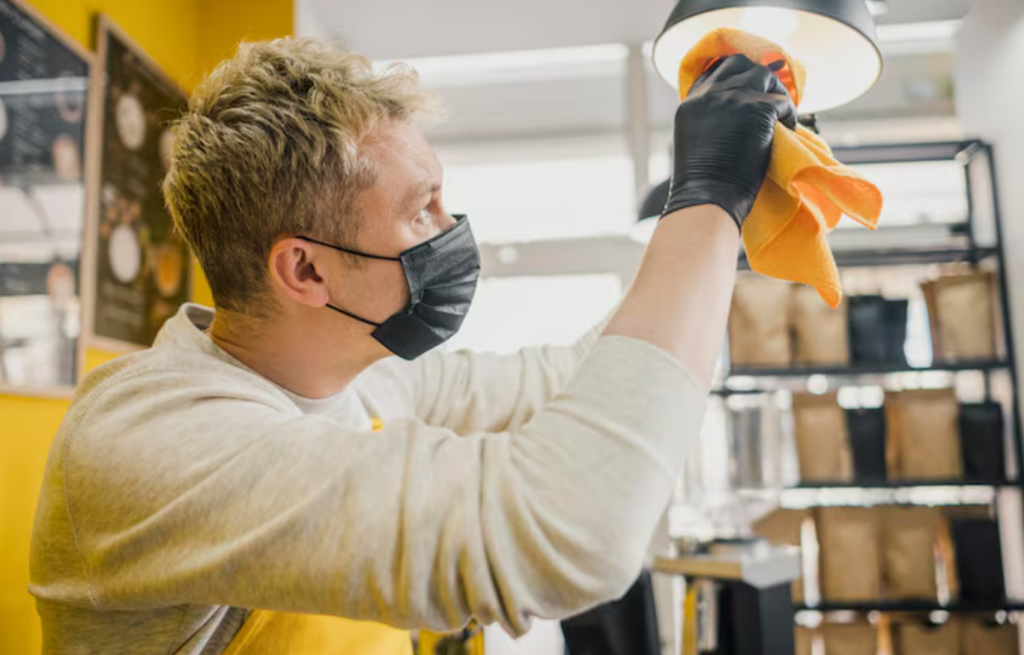
Industrial cleaning is a critical component of modern production environments, ensuring that machinery, facilities, and surfaces remain free from contaminants that can affect performance, safety, and product quality. Unlike domestic cleaning, industrial cleaning involves complex systems, heavy-duty residues, and strict regulatory requirements. It is used across sectors such as manufacturing, food processing, energy production, and chemical engineering.
The methods used must be efficient, scalable, and adaptable to different types of residues, including grease, dust, biofilms, corrosion, and chemical deposits. As industries evolve, cleaning strategies have also become more advanced, integrating mechanical, chemical, thermal, and environmentally conscious approaches.
Importance of Effective Industrial Cleaning
Effective industrial cleaning is not just about appearance; it directly impacts operational efficiency and equipment longevity. Contaminants can reduce heat exchange efficiency, cause mechanical wear, and even lead to system failures. In sectors like food processing or pharmaceuticals, improper cleaning can also lead to contamination risks and regulatory violations.
Another important factor is energy efficiency. Clean systems require less energy to operate, as friction and resistance are minimized. This contributes to lower operational costs and improved sustainability performance. Additionally, regular cleaning reduces unplanned downtime, which is often one of the most expensive issues in industrial operations.
Mechanical Cleaning Methods
Mechanical cleaning is one of the oldest and most widely used categories of industrial cleaning. It relies on physical force to remove contaminants from surfaces.
High-Pressure Water Cleaning
High-pressure water cleaning uses concentrated streams of water to remove stubborn deposits such as grease, scale, and dirt. It is effective for large surfaces like tanks, pipelines, and factory floors. The pressure level can be adjusted depending on the type of surface and contamination, making it a versatile solution.
However, water usage and wastewater management must be carefully controlled to avoid environmental impact. In modern systems, water recycling technologies are often integrated to improve efficiency.
Brushing and Abrasive Techniques
Manual or automated brushing systems are used for smaller or more delicate components. Abrasive techniques, such as sandblasting, are applied when more aggressive cleaning is required. These methods physically strip away layers of contamination but must be used with caution to avoid damaging the underlying material.
Chemical Cleaning Methods
Chemical cleaning uses specially formulated solutions to dissolve or break down contaminants. It is particularly effective for complex residues that cannot be removed mechanically.
Acidic solutions are commonly used to remove mineral deposits such as scale and rust, while alkaline cleaners target organic materials like oils and fats. Solvents are used in cases where precision cleaning is required, especially in sensitive mechanical or electronic components.
Chemical cleaning requires strict handling protocols to ensure worker safety and environmental protection. Neutralization and proper disposal of waste chemicals are essential parts of the process.
Thermal and Advanced Cleaning Techniques
Thermal methods use heat or extreme temperature changes to remove contaminants. These techniques are often used in combination with other methods for maximum efficiency.
Steam Cleaning
Steam cleaning uses high-temperature vapor to loosen and remove dirt and grease. It is particularly useful in environments where chemical use must be minimized. The heat also provides a sanitizing effect, making it suitable for hygienic applications.
Cryogenic Cleaning
Cryogenic cleaning is an advanced method that uses extremely cold materials to make contaminants brittle and easier to remove. One widely used technique in this category is tørrisblåsing, where solid carbon dioxide particles are accelerated at high speed toward a surface. Upon impact, the contaminants contract and break away without damaging the underlying material. This method is valued for its precision and lack of secondary waste.
Sustainable Practices in Industrial Cleaning
Sustainability has become a central focus in industrial operations, and cleaning processes are no exception. Modern facilities aim to reduce water consumption, minimize chemical usage, and lower energy requirements while maintaining high cleaning standards.
One growing concept in this area is the adoption of systems aligned with the principles of Super Green, which emphasize environmentally responsible processes, reduced emissions, and resource efficiency. This approach encourages the use of biodegradable cleaning agents, closed-loop water systems, and low-energy technologies.
Sustainable cleaning is not only beneficial for the environment but also improves long-term cost efficiency. Companies that invest in greener methods often experience reduced waste disposal costs and improved compliance with environmental regulations.
Automation and Smart Cleaning Systems
Automation is transforming industrial cleaning by increasing precision, reducing labor costs, and improving consistency. Automated cleaning systems can be programmed to operate at specific intervals or triggered by sensor data that detects contamination levels.
Robotics are increasingly used in hazardous or hard-to-reach environments, such as chemical tanks or high-temperature production lines. These systems reduce human exposure to dangerous conditions while ensuring thorough cleaning.
Data-driven cleaning systems also allow predictive maintenance. By analyzing operational data, industries can determine the optimal cleaning schedule, preventing buildup before it becomes problematic. This improves efficiency and reduces unnecessary cleaning cycles.
Safety Considerations in Industrial Cleaning
Safety is a fundamental aspect of industrial cleaning operations. Many cleaning methods involve high pressure, chemicals, extreme temperatures, or automated machinery, all of which present potential risks.
Proper training is essential for workers to handle equipment safely and respond to emergencies. Personal protective equipment such as gloves, goggles, and protective suits is often required depending on the method used.
Ventilation is another important factor, especially when chemical agents or steam are involved. In enclosed environments, monitoring air quality ensures that harmful fumes or particles do not accumulate.
Risk assessments should be conducted regularly to identify potential hazards and ensure compliance with safety regulations. This includes evaluating equipment condition, chemical storage, and operational procedures.
Integration of Multiple Cleaning Methods
In modern industrial environments, no single cleaning method is sufficient for all situations. Instead, companies often combine mechanical, chemical, thermal, and automated techniques to achieve optimal results.
For example, a facility might use high-pressure water cleaning for initial surface removal, followed by chemical cleaning for deeper contamination, and finish with thermal or cryogenic methods for precision cleaning. This integrated approach ensures both efficiency and thoroughness.
The choice of method depends on factors such as material type, contamination level, environmental regulations, and operational constraints.
Future Trends in Industrial Cleaning
The future of industrial cleaning is expected to be shaped by innovation, sustainability, and digitalization. Artificial intelligence and machine learning are beginning to play a role in optimizing cleaning schedules and predicting contamination patterns.
Nanotechnology-based cleaning agents are also under development, offering highly targeted removal of contaminants at the microscopic level. These advancements could significantly reduce the need for harsh chemicals and intensive mechanical processes.
Sustainability will continue to drive innovation, with increased focus on reducing water usage, energy consumption, and waste generation. As industries move toward more circular production models, cleaning processes will become even more integrated into overall resource management strategies.
Conclusion
Industrial cleaning is a complex and evolving field that combines multiple technologies and methodologies to maintain efficiency, safety, and sustainability in modern production environments. From mechanical and chemical methods to advanced thermal and automated systems, each approach plays a specific role in maintaining operational integrity.
As environmental concerns grow and technological capabilities expand, the industry is shifting toward more sustainable and intelligent solutions. Concepts like Super Green and innovations such as tørrisblåsing reflect this transition, highlighting the balance between performance and environmental responsibility.
Ultimately, effective industrial cleaning is not just a maintenance task but a strategic component of modern industrial management, directly influencing productivity, safety, and long-term sustainability.
