
Introduction
Video analysis has become an essential part of American football at every competitive level. From youth leagues and high school programs to colleges and professional organizations, coaches rely on recorded footage to evaluate player performance, refine game plans, and prepare for future opponents. While sideline recordings have long been a standard practice, they often fail to capture the complete picture of what happens during a play.
Elevated camera systems have changed the way coaches study football by providing a comprehensive view of formations, player movement, and tactical execution. Recording from an elevated position gives coaching staff the perspective needed to evaluate every phase of the game more accurately. Whether reviewing practice sessions or game footage, coaches gain valuable insights that help improve decision-making, player development, and overall team performance.
Why Traditional Sideline Recording No Longer Provides Complete Game Insights
Sideline recording has served football programs for decades because it is simple and accessible. However, its limitations become apparent when coaches attempt to conduct detailed tactical analysis. Cameras positioned near the field often provide obstructed views, especially when players, coaches, or officials block the line of sight.
One of the biggest challenges with sideline footage is its inability to consistently show all twenty-two players on the field. Offensive formations, defensive alignments, and player spacing may be partially hidden, making it difficult to understand how a play developed from start to finish.
Blocking schemes are another area where sideline angles often fall short. Offensive linemen, defensive fronts, and gap responsibilities require a wider perspective to identify proper assignments and execution. Without a clear overhead view, evaluating these details becomes more time-consuming and less accurate.
Defensive coaches also benefit from seeing how linebackers, safeties, and cornerbacks respond to offensive motion and route combinations. A limited sideline perspective may hide important positioning mistakes that influence the outcome of a play.
As football strategies continue to evolve, coaches increasingly depend on complete field visibility rather than isolated player views. Elevated recording provides the context necessary to analyze each play from formation through execution.
The Strategic Advantages of Elevated Endzone Camera Angles
An elevated endzone perspective delivers a much clearer understanding of offensive and defensive football than standard sideline footage. Because the camera captures the field from behind the play, coaches can easily observe formations, spacing, and player responsibilities.
For offensive coaches, this angle highlights line splits, blocking assignments, pulling linemen, running lanes, and quarterback decision-making. Coaches can determine whether each player executed the designed play correctly and identify breakdowns before they become recurring problems.
Defensive coordinators gain an equally valuable perspective. They can analyze pursuit angles, gap discipline, linebacker movement, secondary coverage, and defensive communication throughout each play. These observations support more effective game planning and in-season adjustments.
Elevated footage also simplifies post-game analysis. Rather than relying on multiple camera angles to reconstruct a play, coaches receive a consistent viewpoint that clearly illustrates player movement across the entire field.
This strategic perspective improves coaching efficiency by reducing guesswork during film sessions. Instead of debating what happened during a particular play, coaches can focus on correcting technique, improving assignments, and reinforcing successful execution.
Essential Features to Look for in a Modern Football Recording Solution
Selecting football recording equipment involves more than simply purchasing a camera. The support system itself plays a major role in producing stable, high-quality footage throughout practices and games.
A sturdy tower should provide excellent stability, even during windy conditions, helping minimize vibration that can reduce video quality. Adjustable height is equally important because different venues and coaching preferences require varying recording elevations.
Compatibility with multiple camera models offers flexibility for schools that already own recording equipment or plan to upgrade in the future. Portability also matters, particularly for teams that frequently travel to away games or practice at different facilities.
Weather resistance is another important consideration. Football seasons often include rain, cold temperatures, and varying field conditions, so durable construction helps ensure reliable performance throughout the year.
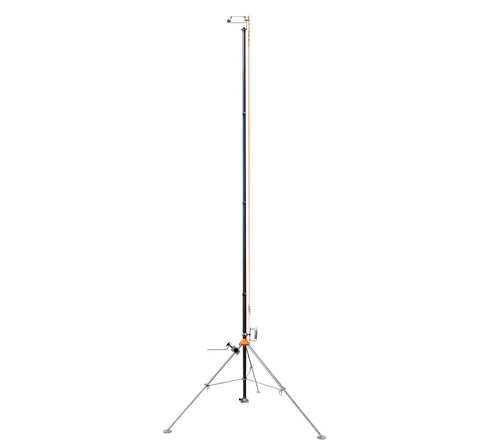
When evaluating equipment, many football programs consider solutions such as a Football endzone camera setup or a complete Endzone camera system depending on their recording needs. Companies such as Hi Rise Camera, which specialises in football endzone camera towers for U.S.A. football, design equipment that emphasises stability, portability, and elevated viewing angles that support detailed coaching analysis without disrupting normal practice or game operations.
How Video Analysis Supports Player Development Throughout the Season
Consistent video review helps players understand their strengths while identifying areas that require improvement. Rather than relying solely on verbal coaching, athletes can visually examine their own performance and better understand the relationship between technique and results.
Several areas of player development benefit directly from structured video analysis:
- Improving individual technique: Players can evaluate footwork, body positioning, hand placement, tackling form, throwing mechanics, and route running. Seeing each movement allows athletes to make targeted adjustments during practice.
- Supporting position-specific coaching: Every position has unique responsibilities. Offensive linemen can study leverage and blocking angles, while receivers evaluate releases and route precision. Defensive backs can review coverage techniques, helping each athlete focus on position-related improvements.
- Identifying recurring mistakes: Repeated errors often become easier to recognise through multiple weeks of recorded footage. Coaches can address patterns before they become habits, creating more efficient practice plans.
- Tracking measurable progress: Comparing recordings throughout the season allows both coaches and players to observe improvement over time. Visible progress reinforces effective coaching methods and encourages continued development.
- Building player confidence: Positive plays shown during film review reinforce successful execution. Athletes gain confidence by seeing their improvement while understanding how their contributions support overall team success.
Integrating Endzone Footage Into Weekly Coaching Workflows
Successful football programs treat video review as an ongoing process rather than an activity reserved for game days. Recording practices and competitions throughout the week creates a valuable database that supports every stage of preparation.
Many coaching staffs begin by reviewing practice footage shortly after each session. Immediate analysis allows coaches to correct mistakes before they become ingrained habits. Position coaches can then meet with individual groups to discuss specific assignments using visual examples from recent practices.
Game preparation also benefits from organised film management. Coaches compare their own recordings with opponent footage to identify tendencies, formations, personnel groupings, and preferred play sequences. This information contributes directly to weekly game plans.
Sharing recorded clips with players outside scheduled meetings further enhances learning. Modern athletes often benefit from reviewing assignments independently before returning to practice. This additional exposure improves understanding and reduces repeated mental errors.
Throughout the season, archived recordings become valuable historical references. Coaches can revisit earlier games to evaluate long-term development, compare tactical adjustments, and identify successful strategies that may be useful against future opponents.
A structured workflow ensures that recorded footage becomes an active coaching tool rather than simply stored video files.
Common Mistakes Schools Make When Choosing Football Camera Equipment
Choosing football recording equipment represents a long-term investment. Schools that focus only on initial purchase price often overlook factors that influence usability, durability, and overall value. Understanding these common mistakes helps athletic programs make more informed decisions.
- Prioritising low cost over durability: Less expensive equipment may require frequent repairs or replacement after limited use. Investing in durable construction often reduces long-term ownership costs while providing more reliable performance throughout multiple seasons.
- Selecting unstable mounting solutions: Poor stability affects video quality by introducing excessive movement and vibration. Stable equipment produces clearer recordings that support accurate coaching analysis under varying weather conditions.
- Ignoring transportation requirements: Football teams frequently travel for away games. Equipment that is difficult to transport or assemble may discourage consistent use, limiting the value of the recording system throughout the season.
- Overlooking maintenance and ease of setup: Complicated systems consume valuable preparation time before practices and games. Equipment designed for efficient assembly allows coaching staff to focus on football rather than technical setup.
- Failing to consider future program growth: Athletic programs often expand their video analysis capabilities over time. Choosing equipment with adaptable features and broad camera compatibility helps accommodate future technology upgrades without requiring complete replacement.
Conclusion
Elevated camera systems have transformed football coaching by providing comprehensive views that traditional sideline recording cannot consistently deliver. Clear visibility of formations, player movement, blocking assignments, and defensive execution allows coaches to conduct more accurate evaluations while improving tactical decision-making.
When integrated into weekly coaching routines, elevated footage supports player development, strengthens game preparation, and creates valuable long-term performance records. Selecting stable, durable, and adaptable recording equipment further enhances these benefits by ensuring reliable operation throughout every season.
As video analysis continues to shape modern American football, elevated recording solutions will remain an important resource for coaches seeking objective insights that contribute to better teaching, stronger execution, and continuous team improvement.
