
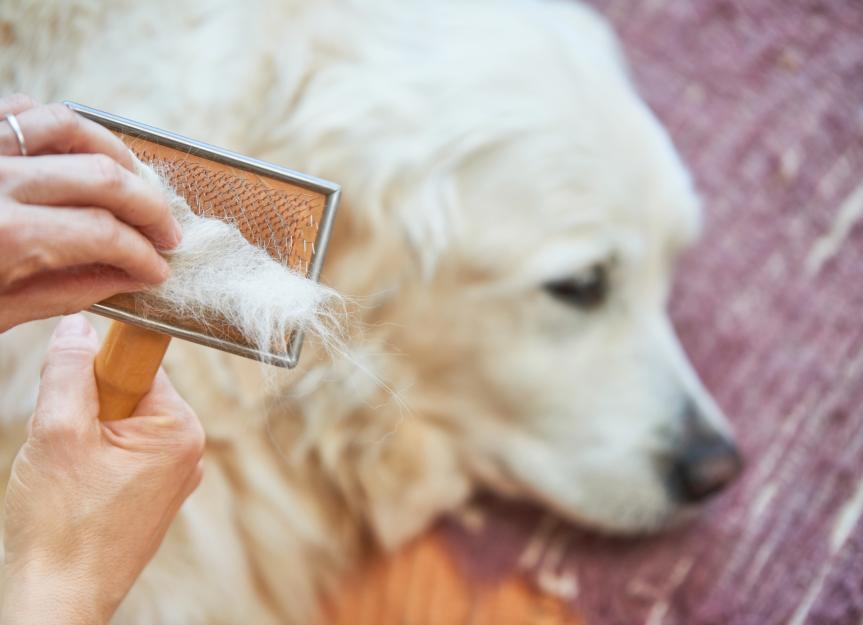
Severe matting is more than a grooming inconvenience because it can trap moisture, pull on the skin with every movement, and hide irritation that can make a pet defensive when touched. Mats can tighten into a felted layer that limits airflow and causes soreness, especially in friction zones such as behind the ears, under collars, in armpits, and around the tail base. Removing that matting safely requires a plan that protects skin, manages stress, and avoids the temptation to brush aggressively through tight knots. Groomers assess matting depth, coat type, and the pet’s tolerance before choosing the safest approach, which may include careful spot dematting, strategic clipping, or a full reset trim. The goal is to restore comfort first, then create a coat length and maintenance plan that prevents the mats from returning.
Safe mat removal starts with assessment.
- Determining mat severity and skin risk
Groomers begin by locating mats and testing how close they sit to the skin. They part the coat and use a comb to check for any free hair between the mat and the skin, because tight mats at the base can make brushing painful and risky. They also evaluate whether the matting is isolated in a few areas or spread like a pelt across large sections of the body. Pelted matting can hide redness, sores, and bruising caused by constant tension, so groomers check for odor, dampness, and signs of sensitivity when the area is touched. Coat type matters because curly coats can mat deeply with little visible warning, while double coats can form compacted undercoat mats that feel like a dense blanket. The pet’s behavior is part of the risk assessment as well. If a pet reacts strongly to touch, tries to bite, or shows signs of panic, the groomer will plan a safer, shorter approach rather than prolonged dematting that can escalate stress. This assessment sets realistic expectations and prevents decisions that prioritize coat length over the pet’s comfort.
- Choosing between dematting and controlled clipping
Severe mats are often safer to remove by clipping rather than brushing. Groomers make this decision based on how tight the mats are, how much skin is at risk, and how long the pet can tolerate handling. Brushing through tight mats can cause skin tearing and significant discomfort, especially in thin-skinned areas. Controlled clipping uses the right blade length, light pressure, and careful direction to slip under the mat and remove it without pulling. A Pet Groomer Serving Orangevale, CA may explain that a shorter trim is not a punishment but a reset that removes painful tension and allows the skin to breathe again. Groomers also consider whether bathing first is appropriate. For severe mats, bathing can tighten the mat and make removal harder, so groomers often clip first, then bathe and dry to clean the skin and smooth the remaining coat. The decision is built around safety and the reality that hair grows back, while skin damage and grooming fear can last much longer if the process is rushed or painful.
- Using safe tools, techniques, and body support
When dematting is possible, groomers use a technique that reduces pulling and protects skin. They support the hair at the base with fingers to prevent tugging on the skin while working through the mat in small sections. They may use a dematting spray or conditioner to reduce friction and help loosen debris trapped in the mat. Tools are chosen carefully. A comb can be used to test progress, while a slicker brush may be used gently on surface tangles, and a dematting tool may be used only when it will not scrape the skin. For severe mats, clippers and blades are the primary tools, especially in high-risk areas like the armpits, groin, and behind the ears. Groomers keep blades cool and lubricated to reduce heat, and they check the skin frequently as the mat lifts away. They also position the pet securely to prevent sudden movement that could cause nicks. Calm, steady handling matters as much as tools, because a pet that twists at the wrong moment increases risk. Safe mat removal is a controlled process with frequent pauses, not a fast fight against knots.
Safe removal protects skin and trust.
Pet groomers safely remove severe matting by assessing how tight the mats are, how close they sit to the skin, and how much stress the pet can tolerate during handling. When mats are severe, controlled clipping is often safer than aggressive brushing because it removes tension without pulling on sensitive skin. Groomers use careful technique, proper tool selection, and steady body support to avoid nicks and reduce friction, while managing stress with breaks and a calm pace. After mat removal, thorough cleaning, drying, and skin observation help restore comfort, and owners receive a practical plan to prevent mats from returning. With safety-focused choices, severe matting becomes a reset toward healthier coat care and a more comfortable grooming experience for the pet.
