
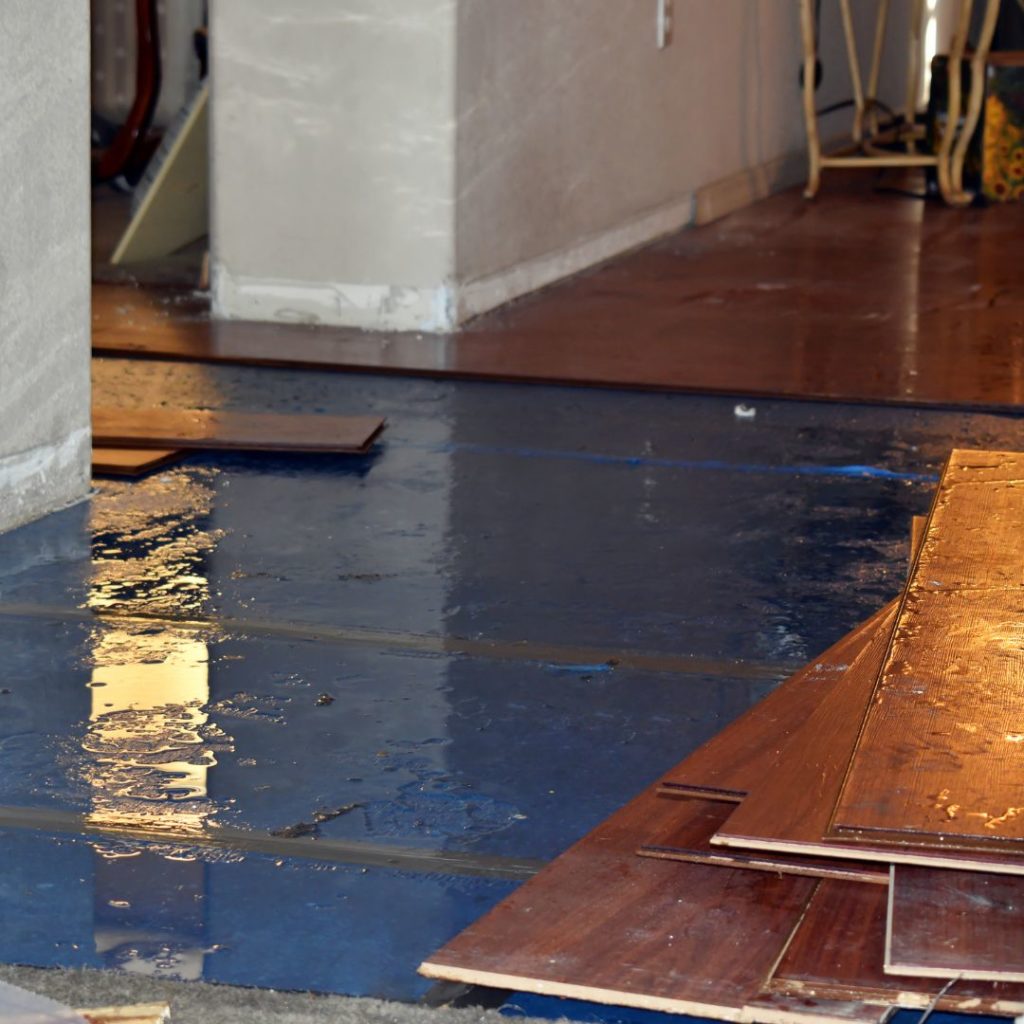
Slab leaks can feel alarming because the water line is hidden under concrete, and the first signs may seem unrelated, such as warm spots on the floor, unexplained water bills, damp baseboards, or a musty smell that comes and goes. The good news is that plumbers can narrow the leak location without immediately breaking floors by using pressure behavior, sound detection, temperature mapping, and careful isolation tests. The goal is to determine whether the leak is on a hot or cold supply line, whether it is constant or occurs only during use, and which section of piping is involved. A disciplined diagnostic process reduces unnecessary demolition and helps homeowners choose the least disruptive repair path.
Locating the leak quietly
- Early Clues That Suggest Water Under the Slab
Plumbers start by identifying patterns that point to a supply line leak under the slab rather than a visible fixture issue. A rising water bill with no change in usage is a common trigger, especially if the water meter shows movement when all fixtures are off. Some homeowners notice running water when the house is quiet, even though no taps are open. Warm spots on tile or laminate can indicate a leak in the hot water line because the escaping water transfers heat into the slab and the flooring above. In other cases, cold water leaks show up as damp carpet edges or cool, persistent moisture that does not match spill patterns. Cracks in the flooring, shifting tiles, or areas where grout remains dark can occur when water softens the subgrade beneath the slab. Moldy odors can develop when moisture is trapped in enclosed cavities and rises through small openings in walls or around plumbing penetrations. These signs help plumbers estimate whether the leak is likely from a pressurized supply line, which tends to be continuous, or from a drain issue, which tends to appear during fixture use. The earlier the pattern is recognized, the easier it is to limit structural impacts.
- Isolation Testing and Pressure Drop Confirmation
After gathering clues, plumbers confirm a slab leak by isolating the plumbing system and watching how it behaves when it should be still. They may shut off all fixtures, ensure no appliances are drawing water, then check the water meter for movement. If the meter continues to tick, it suggests a leak on the supply side. They can narrow the leak by isolating zones, such as by turning off the water heater valve to separate the hot and cold lines. If the meter stops when the hot side is isolated, the leak may be on a hot line under the slab. Pressure testing provides another layer. A plumber can pressurize a section of line and monitor pressure decay over time, which helps confirm an active leak even when surface symptoms are subtle. This step also reduces false assumptions, such as blaming a toilet flapper when the meter movement persists with the toilet supply shut off. Many homeowners seeking a Summerville Plumber find that this isolation stage is the turning point because it proves the leak is real, identifies which side of the system is involved, and prevents unnecessary opening of walls or floors to chase the wrong pipe.
- Acoustic Listening and Thermal Mapping Without Demolition
Once a leak is confirmed and the likely pipe section is identified, plumbers often use noninvasive location tools. Acoustic leak detection uses sensitive listening equipment to pick up the sound of pressurized water escaping beneath concrete. The noise travels through the slab, and trained technicians can trace the sound’s path to identify the strongest areas, significantly narrowing the target area. Results depend on slab thickness, background noise, and flooring type, but it can still reduce the search zone from an entire room to a smaller section. Thermal imaging is another tool, especially for hot-water leaks, because escaping hot water creates a heat signature that can appear as a warmer area on the floor. This approach is not perfect, since sun exposure, radiant heating, or appliance heat can create false patterns, but combined with pressure behavior and listening data, it becomes more reliable. Moisture meters can also help map where moisture is rising, though moisture often spreads along slab edges and can be misleading when used alone. The strength of these tools is that they allow evidence to overlap. When sound, temperature, and moisture point to the same spot, plumbers can diagnose the issue with far less disruption.
Repair Options That Avoid Major Floor Damage
Plumbers diagnose slab leaks without breaking floors by proving the leak through meter checks and isolation tests, then narrowing the location with pressure monitoring, acoustic listening, and thermal mapping. These methods help identify whether the leak is on the hot or cold side, whether it is continuous, and which pipe route is most likely involved. By combining multiple clues rather than relying on a single symptom, plumbers can reduce unnecessary demolition and keep repairs targeted. Once the leak zone is known, they can recommend a spot repair or a reroute that avoids opening large sections of flooring. Careful diagnostics protect both the home and the repair budget.
<iframe src=”https://www.google.com/maps/embed?pb=!1m18!1m12!1m3!1d3345.029661936225!2d-80.193511!3d33.029348999999996!2m3!1f0!2f0!3f0!3m2!1i1024!2i768!4f13.1!3m3!1m2!1s0x88fe8d5c5420dd35%3A0x89be601caaf4409a!2sKinsmen%20Service%20Pros!5e0!3m2!1sen!2sno!4v1746802736858!5m2!1sen!2sno” width=”600″ height=”450″ style=”border:0;” allowfullscreen=”” loading=”lazy” referrerpolicy=”no-referrer-when-downgrade”></iframe>
