
You sit back in the chair, hear a few unfamiliar terms, and try to decide whether new dental technology actually helps or just adds cost and confusion. That feeling is common. Most people want the same thing from a dental visit. You want the problem found early, explained clearly, and treated right the first time, especially when seeking care for a broken or cracked tooth in Laguna Niguel. Accuracy matters because a small miss in dentistry can turn into a bigger repair, more appointments, and more money out of your pocket.
How general dentistry uses technology to improve accuracy in care comes down to one simple idea. Better tools help your dentist see more, measure more precisely, and track changes sooner. That can mean finding decay before it becomes pain, checking the fit of a crown before it causes bite problems, and spotting bone loss before a tooth becomes loose. Technology does not replace clinical judgment. It gives your general dentist better information to make sound decisions.
Dental technology improves accuracy by catching small problems earlier
A lot of dental issues start quietly. A cavity can form between teeth where you cannot see it. Gum disease can progress with very little pain. A crack in a tooth may only show up when you bite a certain way. If those details are missed, treatment often becomes larger and more expensive.
Digital X-rays are one of the clearest examples of modern general dentistry improving precision. They produce detailed images quickly and can help detect decay, bone changes, infections, and impacted teeth with more clarity than older film systems. In many offices, the images can also be enlarged on a screen, which makes it easier for you to see what your dentist sees. That matters. When patients understand the problem, they are more likely to treat it early instead of waiting until pain forces the issue.
Intraoral cameras help in a different way. These small cameras capture close images inside your mouth, including areas that are hard to see in a mirror. If you have ever been told you need a filling and wondered whether the spot is really there, a clear image can remove some of that doubt. It gives you a shared view of the issue instead of asking you to trust a vague description.
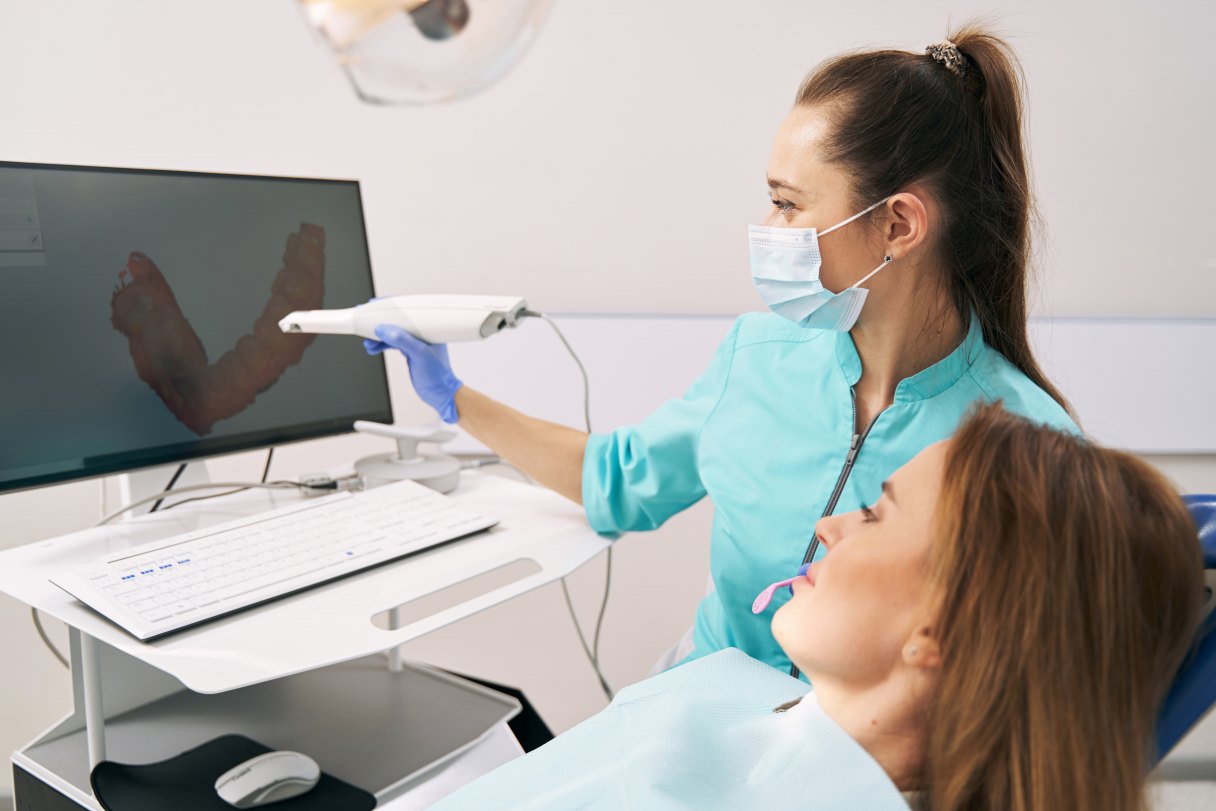
Digital scanners also improve accuracy by replacing or reducing traditional impressions in many cases. If you have ever dealt with a tray full of impression material, you know how uncomfortable that can be. A scanner creates a digital model of your teeth, which can help with crowns, retainers, night guards, and other restorations. When the model is more precise, the final fit often needs fewer adjustments.
General dentist technology supports better treatment planning and follow up
Accuracy is not only about finding disease. It is also about planning treatment that fits your mouth, your bite, and your health history. A restoration that looks fine at first can still fail if the bite is off or if the margins are not sealed well. That is where better imaging, digital records, and computer assisted design can help.
For example, if you grind your teeth, a tiny change in crown shape can make a big difference in comfort and wear. If you have gum recession, accurate measurements over time help your dentist tell whether the condition is stable or getting worse. If you have several old fillings, side by side images from past visits can reveal slow changes that are easy to miss from memory alone.
Research also supports the broader value of oral health care and better diagnosis. The National Institute of Dental and Craniofacial Research outlines both progress and ongoing gaps in prevention, access, and oral disease burden in its Oral Health in America report. Better diagnostic tools do not solve every problem, but they do support earlier and more targeted care.
Another area receiving attention is artificial intelligence in imaging and diagnostics. Used carefully, AI can help identify patterns that deserve a closer look, especially in radiographs. A review of current evidence on AI in dentistry and oral diagnosis shows promise for improving detection and decision support, though it still depends on the dentist to interpret findings in context. That distinction matters. Technology can flag. Your dentist decides.
Comparing traditional methods and digital tools in general dental care
Newer tools are not automatically better in every case, and older methods are not useless. The point is accuracy, comfort, and good decision making. Here is where digital systems often help most.
| Area of Care | Traditional Approach | Technology Enhanced Approach | Potential Benefit to You |
| Cavity detection | Visual exam and film X-rays | Digital X-rays with image enlargement | Earlier detection of small or hidden decay |
| Patient communication | Verbal explanation only | Intraoral camera images shown chairside | Clearer understanding of why treatment is advised |
| Crowns and appliances | Physical impressions | Digital scans of teeth and bite | Better fit, fewer remakes, more comfort |
| Tracking gum health | Manual charting and memory | Digital records with side by side comparisons | More accurate monitoring over time |
| Treatment planning | Single data source | Combined imaging, scans, and software analysis | More tailored care and fewer surprises |
Simple steps help you get the most from dental technology
Ask what the technology changes in your case. If your dentist recommends a scan, image, or digital impression, ask how it improves accuracy for your specific concern. A good explanation should be plain and direct. You should know whether it helps diagnose, plan, or confirm treatment.
Request to see the images. If there is a cracked filling, bone loss, or a suspicious area between teeth, ask to see it on the screen. This is one of the easiest ways to feel more confident in a treatment recommendation and less like you are guessing.
Keep regular visits even when nothing hurts. The value of advanced dental technology is highest when changes are still small. Waiting for pain often means the problem has already grown. Routine exams give your dentist a baseline, and technology makes those comparisons more useful over time.
Accurate care feels better when you understand what is happening
Most people do not want a high tech experience for its own sake. You want fewer surprises, fewer repeat visits, and treatment that fits and lasts. That is where technology in general dentist care earns its place. It supports sharper diagnosis, clearer communication, and more precise treatment, which can protect both your oral health and your budget.
If you have been putting off a visit because you are unsure what to expect, take the next step and schedule an appointment with a general dentist who uses modern diagnostic tools and explains findings clearly. A little clarity now can spare you a much bigger problem later.
