
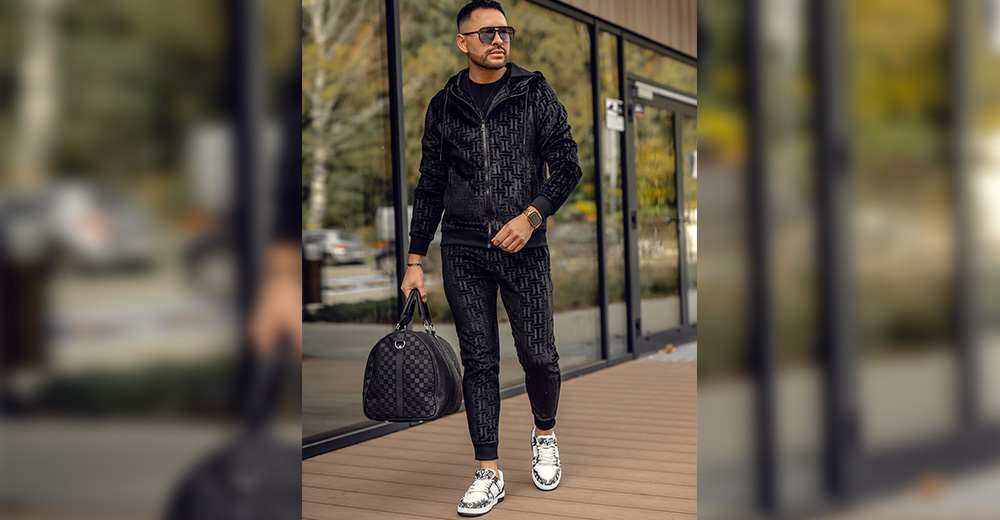
Sporty outfits are no longer limited to workouts. They have become part of everyday style because they are functional, comfortable, and easy to adapt. The challenge is making them look intentional instead of casual or unfinished.
Styling sporty pieces for daily wear comes down to balance. You need to combine performance elements with structured or neutral pieces so the outfit works outside the gym.
Start With One Sporty Anchor Piece
A strong outfit usually starts with one standout item. This could be a jersey, joggers, or a performance jacket. Trying to combine too many athletic pieces at once often makes the outfit look unstructured.
Choose one item as the base and build around it. This keeps the look clean and controlled.
For example, pieces like hockey jerseys can work well as a focal point when paired with simple bottoms. The contrast between structured and relaxed elements creates a more balanced outfit.
Balance Fit and Structure
Sporty clothing is designed for movement, which often means looser fits. Everyday outfits need more structure to look intentional.
The key is mixing relaxed and fitted pieces. If your top is oversized, your bottoms should be more fitted. If your bottoms are loose, keep the top more structured.
Fit Guidelines That Work
- Pair loose joggers with a fitted or cropped top
- Combine oversized tops with slim jeans or tailored trousers
- Avoid wearing multiple oversized pieces together
This balance keeps the outfit from looking too casual.
Use Neutral Colors to Ground the Look
Sporty clothing often includes bold colors or graphics. While that works in athletic settings, it can feel overwhelming in everyday wear.
Neutral tones help bring everything together. Black, white, gray, and earth tones create a base that makes sporty pieces easier to style.
If your main piece is bold, keep the rest of the outfit simple. This keeps the focus where you want it.
Color control is one of the easiest ways to make sporty outfits look more refined.
Choose Footwear That Matches the Setting
Footwear can shift the entire look. Athletic shoes keep the outfit casual, while more minimal or structured shoes elevate it.
For everyday wear, choose footwear that matches where you are going. Clean sneakers, low-profile trainers, or even casual boots can work depending on the outfit.
Avoid overly technical footwear unless you are going to a workout. It can make the outfit feel out of place.
Layer for Versatility
Layering adds depth and makes sporty outfits more adaptable. It also helps transition between different environments.
Light jackets, overshirts, or hoodies can be added or removed as needed. The goal is to create flexibility without adding bulk.
Effective Layering Options
- Lightweight jackets over athletic tops
- Hoodies under structured outerwear
- Simple overshirts to add contrast
Layering also helps break up the outfit visually, which improves overall balance.
Keep Accessories Minimal and Functional
Accessories should support the outfit, not compete with it. Sporty looks work best with simple, functional additions.
Focus on items that are practical and subtle. This keeps the look clean and consistent.
Avoid over-accessorizing. Too many elements can make the outfit feel cluttered.
Pay Attention to Fabric and Texture
Mixing fabrics helps separate the outfit from gym wear. Performance fabrics paired with denim, cotton, or structured materials create contrast.
This contrast is what makes the outfit feel intentional. Without it, the look can feel like you just came from a workout.
Pay attention to how materials interact. Smooth performance fabrics work well with heavier textures.
Adjust Based on Activity
Not every day requires the same level of comfort or movement. Adjust your outfit based on what you are doing.
If the day involves more walking, lean toward performance fabrics. If you are moving between casual and social settings, add more structured elements.
The goal is to match the outfit to the situation without losing comfort.
Avoid Common Styling Mistakes
Sporty outfits are easy to put together, but they are also easy to get wrong.
Mistakes to Watch For
- Wearing full athletic sets without variation
- Ignoring fit balance between pieces
- Overusing bold colors or graphics
These issues make the outfit look less intentional.
Final Take
Styling sporty outfits for everyday wear is about control. One strong piece, balanced fit, and simple color choices make the biggest difference.
The goal is not to remove comfort. It is to structure it. When sporty elements are combined with everyday pieces correctly, the result is practical and consistent.
Focus on balance, and the outfit will work across different settings.
