
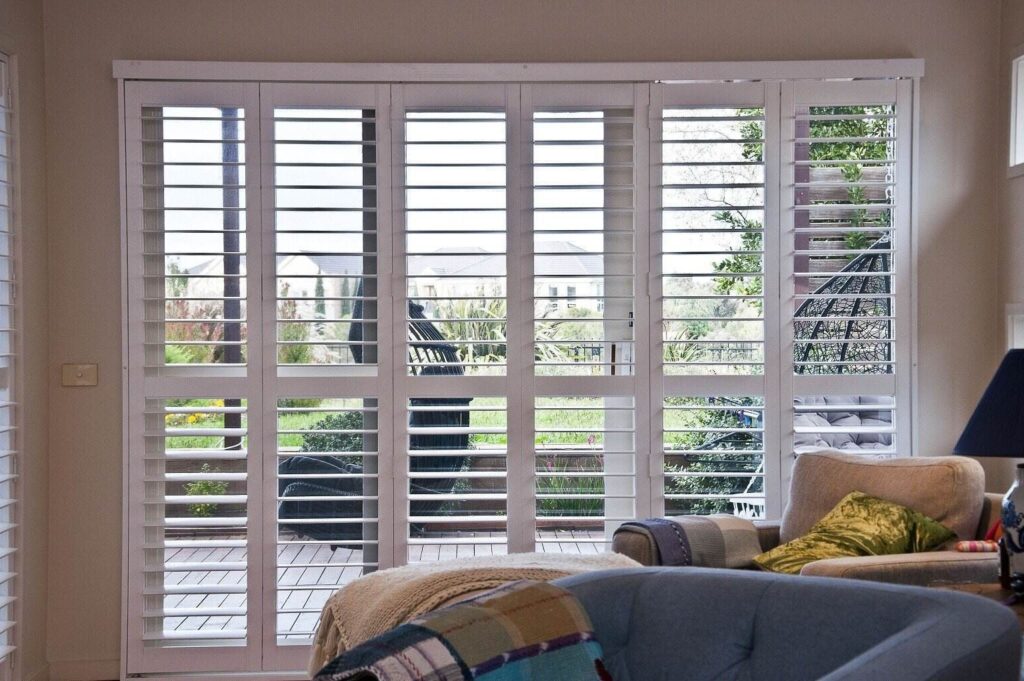
Keeping a home warm during the colder months is a challenge many UK homeowners know all too well. With rising energy costs and unpredictable weather, finding practical ways to retain heat indoors has become more important than ever. While insulation and double glazing often steal the spotlight, window blinds are an underrated solution that can make a noticeable difference.
Windows are one of the main sources of heat loss in any property. Even well-sealed windows allow warmth to escape, especially during long winter nights. This is where thoughtfully chosen window blinds step in, acting as an additional barrier that helps keep heat inside while improving comfort and style.
In the middle of this conversation, it is worth mentioning Expression Blinds as an example of how modern blinds are designed with both aesthetics and thermal performance in mind. When selected carefully, blinds can complement your interior while playing a real role in reducing energy waste without feeling like a purely functional addition.
Why Windows Are a Major Source of Heat Loss
Heat naturally moves from warmer areas to colder ones. In winter, the warmth inside your home is constantly trying to escape through windows, which are typically less insulated than walls or roofs. Even double-glazed windows can lose heat through conduction, convection, and small air gaps.
Cold air near the glass sinks, creating drafts that make rooms feel colder than they actually are. This often leads homeowners to turn up the heating, increasing energy consumption and bills. Addressing heat loss at the window level can help create a more stable indoor temperature without relying solely on heating systems.
How Window Blinds Create an Insulating Layer
Window blinds work by creating a layer of still air between the window and the room. This trapped air acts as insulation, slowing down heat transfer. The effect may seem small, but over time it can significantly improve heat retention.
Certain blind designs are especially effective at insulation, including those that fit closely within the window frame. The tighter the fit, the less room there is for warm air to escape and cold air to enter. When blinds are closed during the evening and night, they help maintain indoor warmth for longer periods.
Types of Blinds That Help Retain Heat
Not all blinds offer the same level of thermal performance. Some materials and styles are naturally better at reducing heat loss.
Common heat-retaining options include:
- Cellular or honeycomb blinds that trap air within their structure
- Thick fabric roller blinds with thermal backing
- Roman blinds with layered linings
- Vertical blinds made from heavier materials
These options are particularly useful in bedrooms, living rooms, and other areas where comfort is a priority during colder months.
The Importance of Proper Fit and Installation
Even the best insulating blinds will not perform well if they are poorly fitted. Gaps around the edges allow warm air to escape, reducing their effectiveness. Measuring accurately and choosing blinds that suit the window type is essential.
Inside recess fittings often provide a neater finish and better insulation, while outside recess fittings can be helpful for windows with unusual shapes or shallow frames. Professional installation or careful DIY fitting ensures the blinds sit flush and perform as intended.
Combining Blinds with Other Energy-Saving Measures
Window blinds work best when used alongside other energy-efficient solutions. While they can reduce heat loss on their own, combining them with curtains, draught-proofing, and good glazing creates a layered approach to insulation.
For example, closing blinds at dusk and drawing curtains over them adds an extra barrier against the cold. During the day, opening blinds allows natural sunlight to warm the room, reducing the need for heating. This simple routine can improve comfort without any lifestyle disruption.
Seasonal Habits That Maximise Heat Retention
How you use your blinds matters just as much as the type you choose. Small daily habits can make a big difference during winter.
Helpful practices include:
- Closing blinds as soon as it gets dark
- Opening blinds on sunny days to capture natural heat
- Keeping blinds closed in unused rooms
- Adjusting blinds to reduce drafts near seating areas
These habits support a warmer home while keeping energy usage under control.
Style and Comfort Without Compromise
One of the biggest advantages of modern window blinds is that you do not have to sacrifice style for practicality. Today’s designs offer a wide range of colours, textures, and finishes that suit both traditional and contemporary homes.
By choosing blinds that align with your décor, you can improve insulation while enhancing the overall look of your space. This balance makes blinds a popular choice for homeowners who want practical solutions that still feel personal and inviting.
Long-Term Benefits of Insulating Blinds
Beyond immediate comfort, insulating blinds contribute to long-term savings and sustainability. Reduced heat loss means lower energy consumption, which helps cut heating costs and reduce environmental impact.
Over time, this can lead to noticeable financial savings, especially during colder seasons. Blinds also protect interiors from temperature extremes, helping furniture and fabrics last longer.
Conclusion
Window blinds are a simple yet effective way to reduce heat loss in UK homes. By creating an insulating layer, improving comfort, and supporting energy efficiency, they offer practical benefits without compromising style. With the right choice, fit, and daily habits, blinds can play a valuable role in keeping homes warmer throughout the winter months.
SEO Meta Description
Discover how window blinds help reduce heat loss in UK homes, improve insulation, lower energy bills, and keep living spaces warm and comfortable.
