
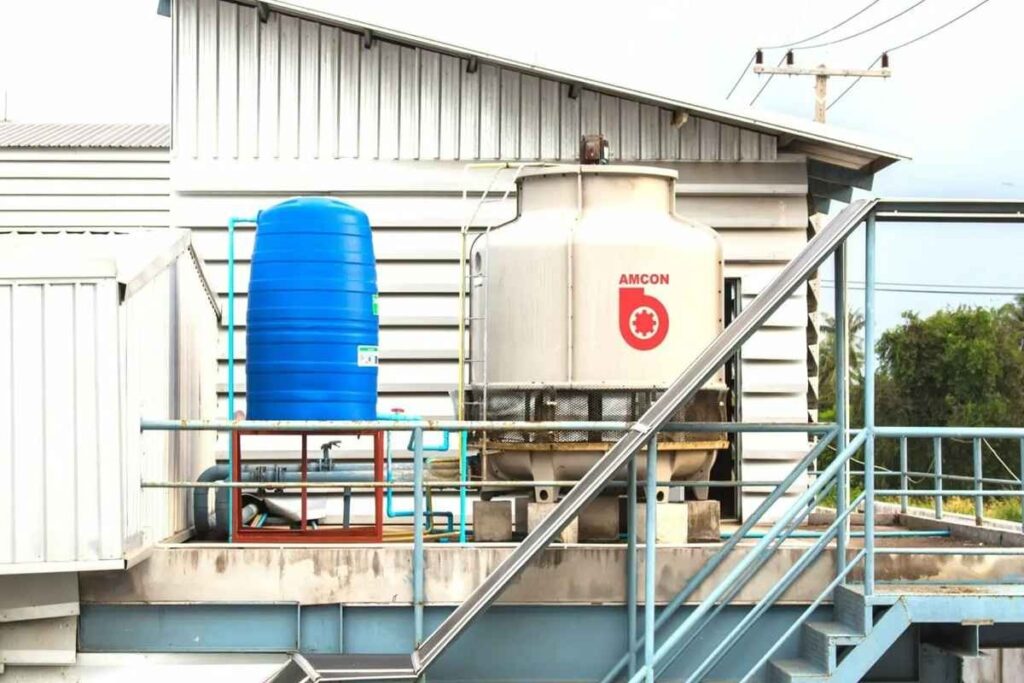
A Cooling Tower is an essential part of many industrial operations, even though it often works quietly in the background. These systems remove excess heat from industrial processes, machinery, and large-scale cooling systems so operations can continue safely and efficiently. From power generation to manufacturing and commercial facilities, countless industries depend on reliable heat rejection every day to control temperatures and maintain consistent performance.
Without proper heat management, industrial equipment can overheat, production processes can slow down, and energy efficiency can decline. For this reason, industrial cooling systems are considered a critical component in facilities where heat is continuously produced. Their ability to provide efficient and reliable temperature control makes them valuable across a wide range of industries.
Industries That Depend on
1. Power Plants
Power generation is one of the largest industries that relies on a Cooling Tower. During electricity production, a significant amount of heat is generated. In thermal power plants, steam is used to drive turbines, and this steam must eventually be condensed back into water so the cycle can continue.
The system helps remove heat from the water used in this process. Heated water is circulated through the unit, where heat is released into the atmosphere through evaporation and air movement. The cooled water can then be returned to the system for reuse.
Nuclear, coal, natural gas, and many other types of power plants use heat rejection systems to manage excess heat. Efficient temperature control is essential because even small problems can affect the plant’s overall performance, efficiency, and safety.
2. Manufacturing Plants
Manufacturing facilities are another major user of industrial cooling systems. Industrial production often involves machinery, furnaces, compressors, molds, and other equipment that generate considerable heat. If this heat is not removed properly, machinery may suffer from excessive wear or unexpected shutdowns.
These systems are commonly used to support processes such as:
- Plastic and rubber manufacturing
- Metal production and processing
- Chemical manufacturing
- Automotive production
- Machinery and equipment manufacturing
In many factories, industrial cooling equipment operates continuously to provide process temperature control. Stable temperatures help manufacturers maintain product quality, improve equipment life, and reduce production interruptions.
3. Chemical Industry
Chemical plants depend heavily on precise temperature control. Many chemical reactions produce heat, while other processes require specific temperatures to remain stable. Industrial cooling systems help remove heat from process water and support the operation of heat exchangers and other equipment.
In chemical manufacturing, temperature changes can affect the quality, safety, and efficiency of a process. A reliable heat removal system helps maintain consistent operating conditions. These systems also support the reuse of water, which can help reduce the demand for fresh water in large industrial facilities.
Because chemical plants often operate around the clock, their cooling equipment must be properly maintained and monitored. Regular inspections, water treatment, and equipment servicing are important for ensuring continuous operation.
4. Oil and Gas Facilities
The oil and gas industry produces and processes materials through operations that generate significant heat. Refineries, petrochemical plants, gas processing facilities, and other energy-related sites commonly rely on industrial heat rejection systems to remove excess heat from their processes.
These systems may support equipment such as condensers, compressors, heat exchangers, and processing units. By maintaining proper temperatures, they help facilities operate efficiently and safely.
In refineries, for example, heated water from different processes is sent through a cooling system, where the heat is released before the water is returned for reuse. This continuous cycle makes industrial temperature control an important part of large-scale energy infrastructure.
5. Food and Beverage Plants
Food and beverage manufacturing also requires dependable cooling systems. Although these facilities may not always generate heat on the same scale as power plants or refineries, many production processes still require accurate temperature control.
Industrial cooling equipment may be used for refrigeration systems, processing machinery, air conditioning systems, and other applications. Breweries, dairies, food processing plants, and beverage production facilities often rely on temperature management to protect product quality.
Temperature control is particularly important in food production because excessive heat can affect ingredients, processing times, and storage conditions. Reliable cooling helps manufacturers maintain consistent production standards while supporting efficient equipment operation.
6. Pharmaceutical Manufacturing
The pharmaceutical industry requires extremely precise environmental and process conditions. Manufacturing medicines and other healthcare products often involves specialized equipment and processes that must operate within controlled temperature ranges. A Cooling Tower can support chilled water systems, HVAC equipment, process cooling, and other temperature-sensitive applications.
Maintaining stable temperatures helps protect product quality and supports compliance with strict manufacturing requirements. Pharmaceutical facilities may also use cooling systems to control cleanroom environments and protect sensitive production areas.
Since many pharmaceutical plants operate continuously, dependable cooling is essential for maintaining productivity and preventing costly interruptions.
7. Data Centers
Modern data centers are among the most important facilities that rely on continuous cooling. Servers, networking equipment, and storage systems produce large amounts of heat while operating. If this heat is not removed effectively, equipment can overheat and fail.
Industrial cooling systems are often part of large-scale temperature management networks used in data centers. They may work alongside chillers and heat exchangers to remove heat from the facility. Since data centers operate 24 hours a day, their cooling infrastructure must remain reliable at all times.
Even a short cooling failure can lead to serious equipment problems and service disruptions. For this reason, many data centers use backup systems, monitoring technology, and regular maintenance programs to protect their operations.
8. Commercial Buildings
Large commercial buildings rely on industrial cooling equipment every day to maintain comfortable and controlled indoor environments. Shopping centers, office towers, hotels, hospitals, and large educational facilities may use these systems as part of their HVAC infrastructure. An Air-Cooled Chiller can also support the cooling requirements of certain commercial facilities by helping manage temperature efficiently.
These systems help remove heat from chilled water loops that cool indoor spaces. In large buildings, traditional air-conditioning systems may not be sufficient or efficient enough to meet the cooling demand. Centralized cooling solutions can improve energy efficiency, particularly when large areas require continuous temperature control.
Hospitals, in particular, need dependable cooling to support patient comfort, medical equipment, laboratories, and specialized areas. Hotels and other commercial buildings also depend on efficient temperature management to create comfortable indoor environments for occupants.
9. Steel and Metal Industries
Steel mills, foundries, and metal processing plants generate extreme levels of heat. Furnaces, casting equipment, rolling mills, and other machinery require effective cooling to operate safely. A Cooling Tower can help remove heat from industrial water systems used in these demanding processes.
The water may be used to cool machinery, molds, furnaces, or other equipment before returning to the cooling system. Because metal production is highly demanding, cooling systems must be designed to handle heavy workloads.
Proper maintenance is essential to prevent scale buildup, corrosion, and reduced heat transfer efficiency. Regular inspections help ensure that equipment continues to perform reliably in challenging industrial environments.
Why Businesses Trust Amcon?
Businesses trust Amcon (M) Sales & Service Sdn Bhd for dependable industrial cooling solutions and professional service. With a focus on quality products, technical expertise, and customer satisfaction, the company supports businesses that require reliable temperature control for their industrial and commercial operations. Its commitment to providing suitable cooling solutions helps customers maintain efficient systems and reduce operational disruptions.
Amcon also understands that every facility has different cooling requirements. By offering professional guidance, quality equipment, and reliable after-sales support, the company helps businesses make informed decisions for their cooling needs. This dedication to service and long-term customer relationships makes it a trusted choice for businesses seeking dependable industrial cooling solutions.
Final Thoughts
A Cooling Tower plays a vital role in many industries that operate every day. Power plants, factories, chemical facilities, refineries, data centers, commercial buildings, food manufacturers, pharmaceutical companies, and metal industries all depend on reliable heat rejection to maintain their operations.
As industrial facilities continue to grow and energy efficiency becomes increasingly important, the role of effective cooling systems will remain essential. With proper design, regular maintenance, and effective water management, it can provide dependable cooling and help industries operate safely, efficiently, and continuously.
