
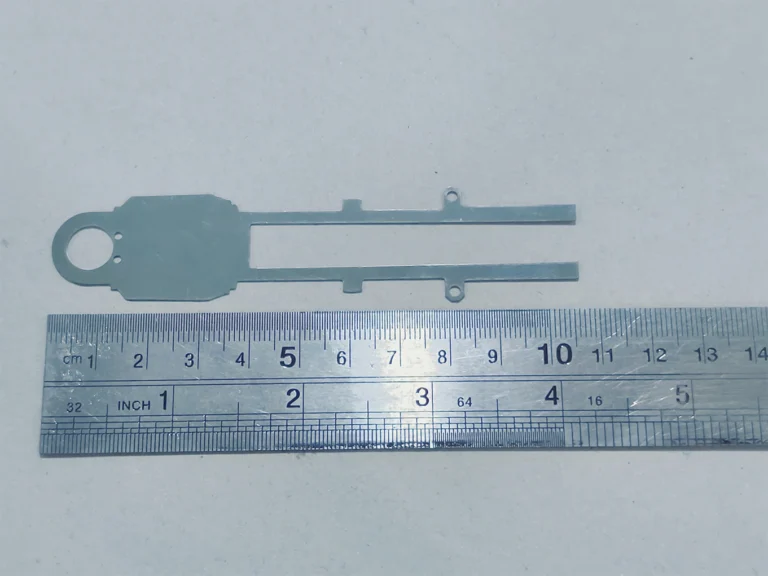
In the world of product development, few manufacturing processes offer the versatility and cost-effectiveness of sheet metal fabrication. Before committing to high-volume production, manufacturers rely on sheet metal prototype fabrication to validate designs, test functionality, and refine manufacturing processes. This critical phase bridges the gap between digital models and physical products, enabling engineers to identify and resolve issues before they become costly problems.
This comprehensive guide explores the fundamentals of sheet metal prototype fabrication, including the various processes involved, material selection criteria, design considerations, quality control methods, and best practices for successful prototyping.
What Is Sheet Metal Prototype Fabrication?
Sheet metal prototype fabrication is the process of producing small quantities of sheet metal parts for testing and validation purposes. Unlike production fabrication, which involves high-volume runs with dedicated tooling, prototyping focuses on flexibility, speed, and iterative refinement.
The fundamental concept is straightforward: flat metal sheets are cut, formed, and assembled into components that meet specific design requirements. However, successful sheet metal prototype fabrication requires a deep understanding of material behavior, fabrication processes, and design principles.
Key Processes in Sheet Metal Prototype Fabrication
Sheet metal prototype fabrication encompasses several distinct processes, each suited to different geometries and requirements.
Laser Cutting
Laser cutting is one of the most common processes in sheet metal prototype fabrication. A high-powered laser beam melts, burns, or vaporizes the material, creating precise cuts with minimal heat-affected zones. Laser cutting offers exceptional accuracy, clean edges, and the ability to cut complex geometries. In sheet metal prototype fabrication, laser cutting is ideal for creating flat patterns and intricate features.
Waterjet Cutting
Waterjet cutting uses a high-pressure stream of water mixed with abrasive particles to cut through metal. This process generates no heat, eliminating thermal distortion in sheet metal prototype fabrication. Waterjet cutting is suitable for a wide range of materials and thicknesses, making it a versatile option for prototyping.
Punching
Punching involves using a punch and die to create holes or cutouts in the sheet metal. This process is fast and economical for sheet metal prototype fabrication projects requiring multiple holes or repetitive features.
Bending
Bending creates angles and three-dimensional shapes from flat sheet metal. The material is deformed along a straight axis, creating features like flanges, channels, and brackets. Bending in sheet metal prototype fabrication requires careful consideration of springback—the tendency of metal to return to its original shape after bending.
Stamping
Stamping uses a press and die to cut, form, or shape the sheet metal. In sheet metal prototype fabrication, stamping is often used for parts with complex geometries or when multiple operations can be combined in a single die.
Welding and Assembly
Welding joins multiple components into a single assembly. In sheet metal prototype fabrication, welding is used to create enclosures, frames, and other complex structures. Common welding methods include TIG, MIG, and spot welding.
Finishing
Finishing processes enhance the appearance and performance of the sheet metal prototype fabrication part. Common finishes include powder coating, painting, anodizing, and plating.
Common Challenges in Sheet Metal Prototype Fabrication
Sheet metal prototype fabrication presents unique challenges that require careful planning and expertise.
Springback
Springback is one of the most challenging aspects of sheet metal prototype fabrication. Mitigation strategies include over-bending, coining, and using materials with lower springback.
Tearing
Tearing occurs when the material is stretched beyond its formability limits. In sheet metal prototype fabrication, tearing can be prevented through proper material selection, adequate lubrication, and optimized tooling.
Dimensional Variability
Dimensional variability is a persistent challenge in sheet metal prototype fabrication due to variations in material thickness, hardness, and lubrication. Statistical process control and rigorous inspection are essential.
Tool Wear
Tool wear is accelerated in sheet metal prototype fabrication when hard materials or complex geometries are involved. Soft tooling wears faster but is cheaper to replace.
Surface Defects
Surface defects such as scratches, tool marks, and burrs can affect both appearance and performance in sheet metal prototype fabrication. Proper handling and finishing are essential.
Best Practices for Successful Sheet Metal Prototype Fabrication
Start with a Clear Design
A clear, well-documented design is the foundation of successful sheet metal prototype fabrication. Include all dimensions, tolerances, and material specifications.
Choose the Right Material
Select materials that are suitable for the fabrication process and meet the performance requirements of the final part in sheet metal prototype fabrication.
Involve the Fabricator Early
Engage the fabricator during the design phase. Their expertise can identify potential issues and improve the sheet metal prototype fabrication outcome.
Plan for Iterations
Prototyping is inherently iterative. Plan for multiple rounds of sheet metal prototype fabrication to refine the design and process.
Document Everything
Document all design changes, process parameters, and quality data. This information is invaluable for future sheet metal prototype fabrication projects.
Test Under Realistic Conditions
Test the sheet metal prototype fabrication part under conditions that replicate real-world use. This validates the design and identifies any performance issues.
Transitioning from Prototype to Production
The lessons learned in sheet metal prototype fabrication inform the transition to full-scale production.
Validate Production Tooling
Use data from sheet metal prototype fabrication to validate production tooling design.
Transfer Knowledge
Document all process parameters, tooling details, and quality controls established during sheet metal prototype fabrication.
Plan the Scale-Up
Anticipate material availability, capacity requirements, and lead times based on sheet metal prototype fabrication insights.
Manage the Transition
Build overlap between the sheet metal prototype fabrication and production phases for a smooth handover.
Conclusion
Sheet metal prototype fabrication is a sophisticated manufacturing process that requires expertise in materials, processes, and design. By understanding the fundamental processes, material selection criteria, design considerations, and quality control requirements, engineers and designers can significantly improve their prototyping success rate.
The key to successful sheet metal prototype fabrication lies in careful planning, close collaboration with fabricators, and a willingness to iterate based on test results. Each prototype iteration brings you closer to a production-ready design, reducing risk and accelerating time to market.
Investing time in understanding the intricacies of sheet metal prototype fabrication will pay dividends in reduced development costs, fewer surprises during production, and ultimately, better products for your customers.
