
Introduction
A shelving unit provides the basic structure for organised storage, but the shelves themselves are not always enough to accommodate every type of item or working requirement. Garages, stockrooms, workshops, retail spaces and household storerooms can contain belongings that need to be hung, protected, moved or separated rather than simply placed on a flat surface.
Shelving accessories can help address these requirements. Components such as liners, ledges, hooks, casters, connectors and levellers can adapt a basic shelving system for different environments and storage tasks. Instead of choosing a completely different unit for every requirement, users may be able to add compatible components to make an existing system more practical.
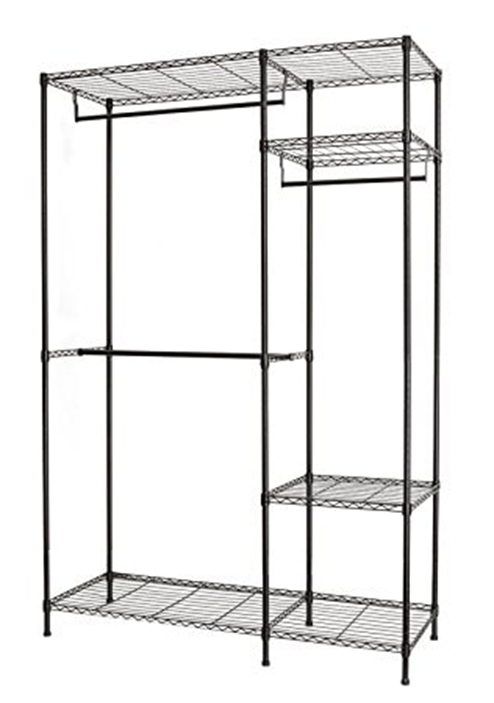
This is particularly relevant to modular storage systems. Boltless racking can provide a flexible foundation because its configuration can often be adapted to different shelf positions and storage requirements. Accessories can then extend the functionality of the basic structure, provided that they are designed for and compatible with the relevant system.
However, accessories should not be selected simply because they are available. Each component should have a clear purpose and should be compatible with the shelving system, its dimensions and intended load. A thoughtful approach can improve organisation without adding unnecessary complexity.
Using Shelf Liners for Different Storage Requirements
Open shelving is useful for many storage applications, but some items may benefit from having a more continuous surface. Wire shelves have spaces between the supporting wires, which can be unsuitable for very small objects or certain containers.
Shelf liners can address this issue by creating a more continuous surface across the shelf. This can make it easier to store smaller packages, containers and other items that might otherwise sit unevenly across the wire structure.
The choice of liner should match the dimensions of the shelf. A liner that is too small may leave unsupported areas, while one that does not correspond to the shelving design may not provide the intended benefit. Compatibility should therefore be confirmed before purchase.
Liners can also help create more defined storage areas. For example, a shelf holding multiple small containers may become easier to manage when the containers rest on a continuous surface rather than directly on the wire grid.
The type of items being stored should determine whether a liner is actually necessary. Large boxes and equipment may not require one, while smaller objects can benefit considerably from having a more stable surface.
Cleaning and maintenance requirements can also influence the choice. Depending on the environment and liner material, users may need to consider how easily the surface can be cleaned and whether it is appropriate for the stored goods.
Liners should not be viewed as a replacement for selecting the correct shelving system. The underlying shelf still needs to have the appropriate dimensions and load capacity for its intended use.
When used appropriately, a liner can make open shelving more versatile by allowing a wider range of items to be stored efficiently on the same basic structure.
Adding Mobility With Casters
Some storage environments benefit from the ability to move shelving. A mobile unit can be useful in a workshop, stockroom or commercial space where layouts change regularly or where employees occasionally need access behind a shelving unit.
Casters can provide this mobility when the shelving system is designed to accept them. They allow the unit to be repositioned without completely dismantling the structure, which can be particularly useful during cleaning, maintenance or layout changes.
However, adding wheels changes the way a shelving unit is used. The total load needs to be considered carefully, including the weight of the shelving itself and everything stored on it. Casters have their own capacity specifications, which should not be exceeded.
Braking capability is another important consideration. A mobile shelving unit may need to remain stationary during normal use, making locking casters useful in applications where stability while accessing stored items is important.
The floor surface also matters. Uneven flooring or obstacles can make mobile shelving difficult to move and may affect how the casters perform. The intended route should therefore be considered before converting a fixed unit into a mobile one.
Mobility is most valuable when it supports a genuine operational need. A workshop that frequently changes its layout may benefit from movable storage, while a household storeroom that rarely changes may gain little from the additional complexity.
Casters should therefore be selected according to the shelving manufacturer’s specifications and the intended environment. When properly matched to the system, they can make storage more flexible without requiring an entirely different storage structure.
Improving Organisation With Ledges, Rails and Hooks
Not every item is best stored flat on a shelf. Tools, equipment, bags, cables and other objects may be easier to access when they are hung or kept within a defined edge.
Hooks can create additional storage positions without requiring another shelf level. In a workshop, for example, suitable hooks may provide a place for frequently used tools or equipment. In a retail environment, hanging storage can also be useful for certain products.
Ledges can help prevent items from moving beyond the shelf surface. This can be particularly useful when shelving is positioned in an area where stored objects might otherwise be pushed or knocked towards an edge.
Rails and similar components can provide another method of organisation, particularly when storage involves items that need to be suspended rather than stacked.
The main advantage of these accessories is that they make better use of the space surrounding the shelf. Instead of treating the horizontal surface as the only available storage area, users can use compatible components to create additional positions.
The accessories should still be selected according to the stored items. A hook intended for lightweight equipment should not be assumed to be suitable for a substantially heavier object. Load specifications and compatibility should always be checked.
Organisation is another consideration. Hanging items should still be grouped logically rather than added randomly to available hooks. A workshop can designate specific hooks for frequently used tools, while a commercial space can organise hanging products according to category.
When accessories are integrated into the overall layout, they can reduce clutter on the shelves and make frequently used items easier to locate.
Using Connectors for More Flexible Configurations
Modular shelving can sometimes be adapted into different configurations using compatible connectors. These components can allow separate elements to be joined or arranged according to the requirements of a particular storage environment.
Connectors are particularly relevant when a storage area does not suit a standard standalone configuration. A business may need to create a longer run of shelving, while a workshop may require a particular arrangement around existing equipment.
The exact purpose of a connector depends on the shelving system. Some components may join structural elements, while others can be used to create particular configurations. Users should therefore check the manufacturer’s specifications rather than assuming that all connectors are interchangeable.
Compatibility is especially important with modular systems. Dimensions, connection methods and component design need to correspond to the existing shelving. A connector that physically appears similar may not provide the intended structural relationship if it is not designed for that system.
The benefit of a compatible connector is that it can provide more configuration options without requiring an entirely separate storage solution. This can be useful when storage requirements are unusual or likely to change.
However, structural components should never be treated as decorative accessories. Their role within the shelving system means that correct installation and appropriate use are essential.
Businesses should also consider how a modified configuration will affect accessibility. Creating a longer or more complex shelving arrangement may increase capacity, but it should not interfere with movement routes or make individual shelves difficult to reach.
When used correctly, connectors can help modular shelving adapt to the physical characteristics of a room and the operational requirements of the user.
Improving Stability and Practical Use
Stability-related components can play an important role in making shelving more practical. Levellers, shelf clips, pole joints and similar components may contribute to correct assembly or help users adapt the system to particular conditions.
Levellers can be useful where floor surfaces are not perfectly even. A shelving unit needs to stand appropriately on the surface beneath it, and levelling components can help address minor differences where the system is designed to accommodate them.
Shelf clips and other connecting components also need to be installed correctly. A modular shelving system depends on its components working together, so missing or incorrectly positioned parts can affect the intended configuration.
Pole joints may be relevant when the shelving design requires additional structural components or particular height configurations. As with other accessories, the specific manufacturer’s instructions should determine how they are used.
Maintenance is also important. Components should be checked periodically, particularly in commercial environments where shelving is frequently loaded, unloaded or moved. Any damaged or unsuitable component should be addressed according to the manufacturer’s recommendations.
Accessories can also improve practical usability without changing the basic shelving structure. For example, a liner can make small-item storage easier, while a hook can free shelf space by moving tools off the horizontal surface.
The key principle is to view each accessory as part of the complete storage system. Stability, capacity and configuration should be considered together rather than selecting individual components in isolation.
A well-matched set of accessories can make a shelving system more adaptable, but the underlying structure must remain appropriate for the intended load and environment.
Selecting Accessories According to the Application
The most suitable accessories depend on what is being stored and how the shelving will be used. There is no reason to add every available component to a shelving system if the storage environment does not require it.
A household storeroom may benefit from liners for small containers and hooks for lightweight household equipment. A garage or workshop might make greater use of hooks, ledges and mobile shelving components to keep tools and equipment organised.
Retail businesses may have different priorities. Products that are easier to display while hanging may benefit from hooks or rails, while stockroom shelving may require liners and labels for better organisation.
Commercial storage environments may also benefit from mobile configurations where shelving needs to be repositioned regularly. However, the additional weight and operating conditions associated with mobile storage need to be considered before casters are selected.
The size and weight of stored items should always be matched to the relevant accessory specifications. A component that works well for a household application may not be suitable for a commercial or industrial load.
Compatibility should be another key selection criterion. Accessories should be designed for the shelving system or explicitly confirmed as compatible. This is particularly important for structural or connection components.
Finally, consider whether the accessory actually solves a storage problem. If a shelf already provides sufficient organisation, adding extra components may simply increase complexity. The best systems use accessories selectively, based on genuine requirements.
This application-led approach keeps the storage system practical and avoids turning a straightforward shelving arrangement into an unnecessarily complicated collection of components.
Conclusion
Shelving accessories can transform a basic storage system into a more adaptable solution for different environments. Liners can support small items, casters can provide mobility, hooks and ledges can create additional storage positions, while connectors and stability components can help customise compatible modular systems.
The most important consideration is suitability. Every accessory should be matched to the shelving structure, stored items, load requirements and intended environment. Structural components in particular should only be used according to the manufacturer’s specifications.
Boltless racking provides a useful modular foundation for many storage applications because its configuration can be adapted to different requirements. With carefully selected compatible accessories, the same basic shelving structure can potentially support household storage, workshops, retail environments and commercial stockrooms.
For businesses and households looking to build more flexible storage arrangements, Jin Yu Trading offers boltless wire shelving systems together with a range of shelving accessories designed to support different storage and organisation requirements.
