
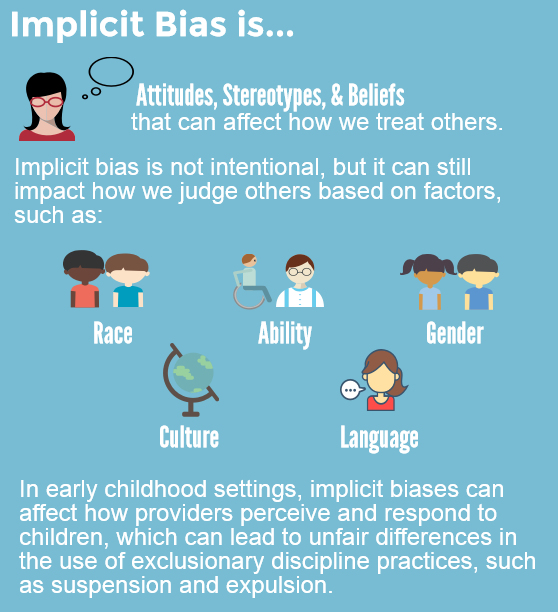
An English test can present challenges due to embedded cultural biases, such as unfamiliar references to Western customs, idioms, or historical contexts. These can affect performance in listening, reading, speaking, and writing sections, even if your language skills are strong. The good news is that with targeted preparation, test takers can bridge these gaps. Below, I’ll outline detailed, practical tips based on common strategies recommended for non-native speakers. These focus on building cultural awareness, adapting study habits, and refining test-taking approaches to minimize the impact of bias.
1. Immerse Yourself in Diverse Cultural Contexts
Cultural bias often stems from assumptions about shared knowledge in Anglo-American or Western societies. To counter this, actively expose yourself to the cultures that dominate test content.
• Watch and Listen to Media from English-Speaking Countries: Dedicate time daily to watching TV shows, movies, podcasts, or news from the US, UK, Australia, or Canada. This helps you recognize idioms like “hitting it out of the park” (a baseball reference meaning great success) or customs like Thanksgiving.
• Read Widely on Western Topics: Engage with articles, books, and blogs on history, arts, sports, and social norms from Western perspectives. This builds “cultural schema” to handle reading passages on unfamiliar topics like early American hotelkeepers or jazz bands.
• Tip for Implementation:
o Set a goal of 30-60 minutes per day. Use apps like Duolingo Stories or FluentU, which incorporate cultural elements into language practice.
o Watch a 20-minute BBC News segment daily and write down 3 unfamiliar expressions.
o Watch a US sitcom like Friends or The Office with English subtitles, then rewatch without subtitles to check comprehension.
o Read one New York Times or Guardian article per week on culture, sports, or politics, then summarize it in your own words.
o Set a daily timer: 15 min podcast (e.g., NPR News Now ) + 15 min reading (Western magazines like National Geographic ).
2. Learn and Practice Culture-Specific Language Elements
Tests may include idioms, phrasal verbs, or expressions tied to specific cultures, which can confuse non-Western test takers.
• Build a Vocabulary Bank of Idioms and References: Create flashcards for common cultural phrases (e.g., “taking up a collection” meaning gathering donations). Resources like Cambridge Dictionary or idioms.thefreedictionary.com are helpful. Practice using them in sentences to internalize meanings.
• Address Language Bias in Names and Norms: Familiarize yourself with Western names (e.g., John, Mary) and socio-cultural assumptions, such as references to leisure activities or middle-class lifestyles. For instance, if a prompt mentions “biscuits” (cookies in American English vs. savory in British), note the context.
• Tip for Implementation:
o Join online forums (e.g., Reddit’s r/TOEFL or r/IELTS) to discuss and quiz each other on confusing terms.
o Create Quizlet flashcards for idioms such as “ballpark figure” or “a dime a dozen.” Review them on your commute. Aim to learn 10-20 new items weekly.
o Make a “cultural word journal”: when you encounter “Thanksgiving,” note what it is and find your country’s cultural equivalent (e.g., harvest festival).
o Once a week, write a short story or dialogue using 3–5 new idioms.
3. Utilize Official and Diverse Practice Resources
Standard practice materials can help you spot and adapt to biases.
• Engage with Official TOEFL/IELTS Prep Materials: Use free resources from ETS (for TOEFL) or the British Council/IDP (for IELTS), including sample tests and workshops. These often include diverse accents and topics, helping you practice neutral or international content.
• Practice with Diverse Cultural References: Seek out mock tests that incorporate varied contexts, such as those from non-Western publishers or online platforms like Manhattan Prep. Simulate real test conditions to build familiarity with biased items.
• Tip for Implementation:
o Take full practice tests weekly, then review errors related to cultural misunderstandings.
o After finishing, highlight 5 questions you missed due to cultural references and research them.
o Use Magoosh practice for exposure to varied accents (Indian, Australian, British, American).
o Keep a “Cultural Notes” notebook: write down every reference (e.g., “Fourth of July = US Independence Day”) so it won’t surprise you again.
4. Adapt Preparation to Your Cultural Background
Make your study personalized to reduce the cognitive load from unfamiliar content.
• Connect Materials to Your Own Culture: When studying, relate Western concepts to equivalents in your background. This creates personal connections and improves retention.
• Filter Knowledge Through Your Lens: During reading or listening practice, focus on universal themes while noting cultural specifics. For example, if a passage discusses Western art, think about how it parallels art forms from your region.
• Tip for Implementation:
o If reading about “American jazz festivals,” compare it with your local music festivals in your study notes.
o During practice essays, when asked about “volunteering,” use examples from your own country (e.g., local charity events) while keeping language clear.
o Join a Discord study group with international learners—share how each culture approaches the same topic.
o Make a two-column chart: “Western Concept” vs. “My Culture Equivalent.” This makes content more relatable and easier to memorize.
5. Refine Speaking and Writing for Cultural Expectations
Bias can affect how responses are scored, such as viewing concise answers as limited fluency due to cultural norms of politeness.
• Practice Expected Communication Styles: In speaking tasks, aim for balanced, direct responses rather than overly modest or indirect ones common in some cultures.
• Incorporate Cultural Neutrality in Writing: For essays, use examples from global contexts to avoid relying on unfamiliar Western ones. Practice graphing or describing data with neutral language.
• Tip for Implementation:
o Review rubrics to understand what examiners value, like elaboration over brevity.
o Record yourself answering an IELTS speaking question. Then compare your answer to a high-scoring sample on YouTube—check for clarity, elaboration, and structure.
o Practice “direct but polite” answers: instead of “Maybe yes, maybe no,” say “Yes, because…” or “No, but I believe…”
o In writing tasks, avoid culturally specific examples that graders might not understand. For example, instead of writing about a local holiday no one knows, use “international tourism” or “global business.”
o Pair up on iTalki or Tandem to practice speaking with a native speaker. Ask for feedback specifically on clarity and cultural style.
6. Build Mental Resilience and Test-Day Strategies
Awareness and calmness can prevent bias from derailing your performance.
• Stay Aware and Calm: Recognize when a question might be biased (e.g., a socio-economic assumption) and focus on the language elements you do understand. On test day, arrive early, eat well, and use deep breathing to manage anxiety from unfamiliar content.
• Time Management and Guessing: If stuck on a culturally obscure item, move on quickly and use process-of-elimination based on grammar or vocabulary clues.
• Tip for Implementation:
o Before study sessions, practice 5 minutes of deep breathing or short meditation with the Headspace app.
o During mock tests, deliberately skip one “hard cultural question” and come back later—train yourself not to panic.
o Create a test-day routine: breakfast with protein (e.g., eggs, yogurt), arrive 30 minutes early, review a short list of calming affirmations.
o Practice elimination: if you don’t understand a reading passage about “baseball,” use grammar clues to eliminate wrong answers.
By consistently applying these tips over 2-3 months, you can significantly reduce the impact of cultural bias, turning potential weaknesses into strengths. Remember, the goal is to showcase your English proficiency, not cultural expertise—preparation bridges the gap. If possible, consider enrolling in a prep course that emphasizes cultural awareness for tailored guidance.
