
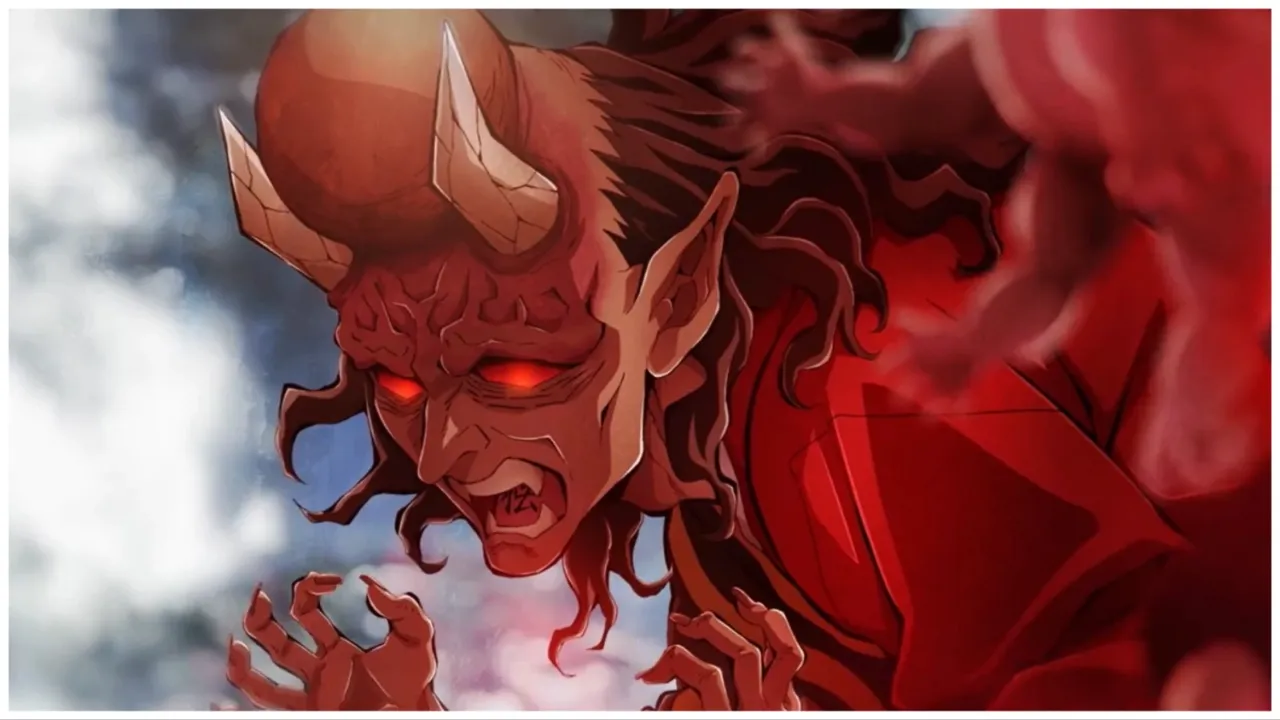
Few manga have struck readers as deeply as Demon Slayer. Behind its breathtaking battles and striking visuals lies a story that feels almost ancient, like a campfire tale carried through generations. Many fans search for the “real story” of Demon Slayer because they sense there is something more than flashy sword fights. They want to understand where it comes from, what inspired it, and why it resonates so strongly. At its heart, Demon Slayer is not only about hunting monsters. It is about grief, resilience and the fragile thread that connects family. The narrative follows Tanjiro Kamado, a kind-hearted boy whose life is shattered when his family is slaughtered by demons. His sister Nezuko survives, yet she is transformed into a demon herself. This single tragedy sets the entire plot in motion. What makes the story powerful is its emotional honesty. Tanjiro does not fight for glory. He fights to restore his sister’s humanity. That central mission drives every arc, every confrontation, every hardship. The manga builds tension like a tightening bowstring, pulling readers into a world where survival demands discipline, empathy and strength. Understanding the true story behind Demon Slayer means looking beyond the surface. It requires exploring its historical backdrop, the symbolism woven through its characters and the moral complexity of its demons.
The historical setting behind Demon Slayer
Demon Slayer is set during Japan’s Taisho era, a period that lasted from 1912 to 1926. This choice is not random. The Taisho era represents a transitional moment in Japanese history. Western influence grew, modernisation accelerated, yet traditional values remained strong in rural regions. By placing Tanjiro’s journey in this era, the manga creates a world balanced between old and new. Trains exist. Cities expand. Industrialisation creeps in. Still, mountain villages preserve ancient customs and beliefs. This contrast strengthens the narrative. Demons symbolise lingering shadows from the past, while the Demon Slayer Corps reflects disciplined tradition adapting to a changing world.
The Taisho backdrop grounds the fantasy elements in something tangible. The uniforms, architecture, weapons and social hierarchy echo real historical influences. Even the breathing techniques used in combat reflect stylised interpretations of classical martial disciplines. Readers who collect Demon Slayer figures often notice how faithfully character outfits mirror this era. The haori patterns, swords and Corps insignias carry visual references that link directly to early twentieth-century Japan. These details are not decorative. They reinforce immersion and authenticity.
The real story of Demon Slayer therefore rests partly in history. It merges folklore with a precise cultural frame, giving the supernatural conflict a believable foundation.
Tanjiro’s journey: more than a revenge tale
Tanjiro’s transformation from charcoal seller to demon slayer could have been a simple revenge arc. Instead, it evolves into something far more layered. His empathy defines him. Even when facing enemies responsible for immense suffering, he often recognises their humanity. This emotional complexity distinguishes the story from typical action narratives. Demons are not always portrayed as pure evil. Many were once human. Their tragic backstories reveal fear, loneliness or desperation that led to their downfall.
Tanjiro’s blade becomes both weapon and mercy. He ends suffering while acknowledging pain. This duality shapes the moral landscape of the manga. Violence is present, yet compassion remains central.
Collectors of anime figures frequently gravitate towards characters like Tanjiro and Nezuko because they represent resilience rather than brute force. Their design captures emotion: determined eyes, protective posture, subtle expressions that hint at trauma and hope. The “real story” lies in this emotional architecture. Demon Slayer asks what it means to remain kind in a brutal world. Tanjiro embodies the answer.
Nezuko’s transformation and symbolism
Nezuko’s survival as a demon introduces one of the series’ most compelling dynamics. She becomes both threat and miracle. Her struggle to resist human blood symbolises inner conflict. She represents suppressed instinct. The bamboo muzzle placed in her mouth is more than a practical restraint. It symbolises control over destructive impulses. While many demons succumb to hunger, Nezuko chooses restraint, suggesting that identity is not erased by transformation. Her evolving powers reflect adaptation rather than corruption. She does not become a villain. She becomes a bridge between species.
- Family
- Restraint
- Duality
- Redemption
- Humanity
These themes surround Nezuko’s arc. The manga uses her condition to question whether monsters are born or made. The answer unfolds gradually through battles, sacrifices and revelations.
The origin of demons and Muzan’s role
Every powerful narrative requires a compelling antagonist. In Demon Slayer, that role belongs to Muzan Kibutsuji. He is not merely a villain. He is the origin of all demons. Muzan’s creation traces back to a medical experiment during the Heian period. Seeking a cure for illness, he becomes the first demon instead. His existence stems from fear of death. Immortality, gained through unnatural means, twists into tyranny.
Muzan embodies unchecked survival instinct. He eliminates weakness, erases subordinates who fail, manipulates followers through fear. His philosophy contrasts sharply with Tanjiro’s empathy. Where Tanjiro values bonds, Muzan values domination. The “real story” of Demon Slayer ultimately centres on this ideological clash. It is not just human versus demon. It is compassion versus self-preservation at any cost.
Breathing techniques and the mythic layer
The breathing styles used by Demon Slayers elevate combat into ritual. Water, Flame, Thunder, Wind and other forms derive from the original Sun Breathing technique. Each style reflects personality and philosophy. These techniques are not literal magic spells. They symbolise mastery over body and mind. Controlled breathing enhances strength, speed and endurance. The visual effects in anime adaptations exaggerate them, yet their narrative purpose remains grounded in discipline. The Sun Breathing technique connects directly to Tanjiro’s heritage. Its rediscovery ties past and present, revealing hidden lineage and destiny. The series thus layers myth over history, creating a tapestry where family memory shapes future resistance.
Why Demon Slayer resonates worldwide?
Demon Slayer’s global impact cannot be reduced to animation quality alone. Its emotional clarity travels across cultures. Grief, loyalty, sibling love and the fear of losing humanity are universal experiences. The manga also balances tragedy with hope. Characters endure brutal losses, yet growth follows. Training arcs emphasise perseverance. Friendships within the Demon Slayer Corps provide warmth amid darkness. The real story behind Demon Slayer is therefore simple and profound. It tells of a boy who refuses to surrender to despair. It explores how kindness can survive even when surrounded by cruelty. Like a blade forged through fire, its narrative gains strength through suffering.
A story carved in steel and memory
Demon Slayer stands as a tale of endurance shaped by history, folklore and emotional truth. Its true story rests in the bond between Tanjiro and Nezuko, in the clash between empathy and fear, in a world where demons mirror human fragility. If you look past the battles, you find a narrative about holding onto compassion when everything else has been taken. That is why it continues to resonate, long after the final page has turned.
