
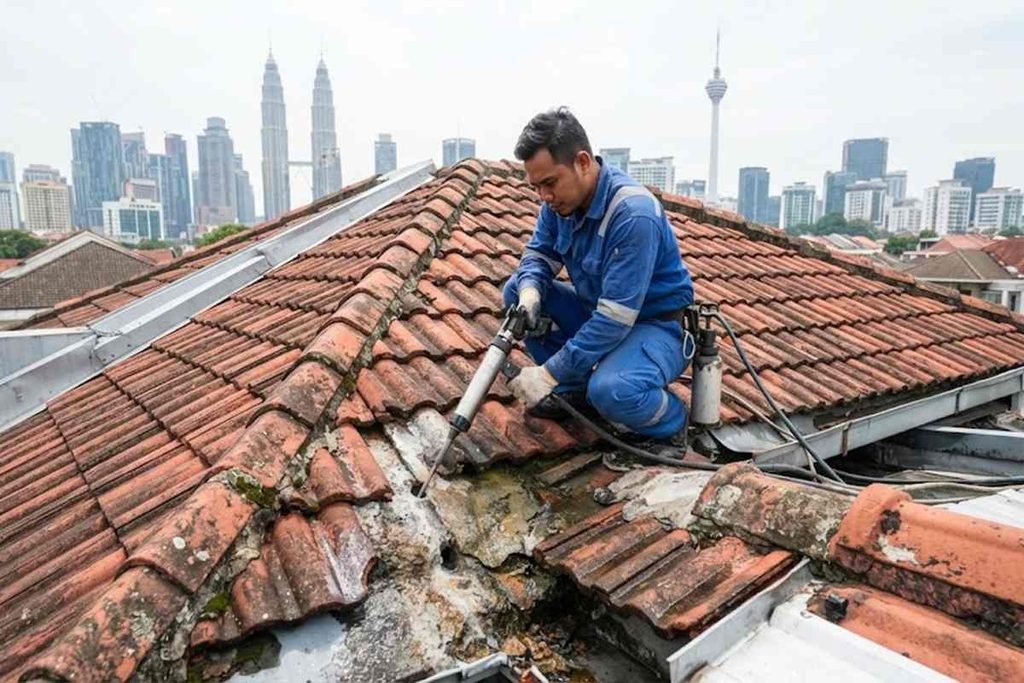
Water leakage is a common concern in buildings, especially in areas exposed to heavy rainfall, high humidity, and changing weather conditions. In Kuala Lumpur, persistent moisture can affect basements, concrete structures, roofs, bathrooms, retaining walls, tunnels, and other parts of a property. If water enters through cracks or joints, simply covering the affected area may not provide a long-term solution. PU injection waterproofing KL is one effective method used to address difficult water leakage problems by filling cracks and creating a waterproof barrier within the affected structure.
Polyurethane, commonly known as PU, is a versatile waterproofing material that reacts with moisture and expands to seal gaps and cracks. Because the material can penetrate narrow spaces, PU injection is particularly useful when conventional surface waterproofing cannot reach the actual source of water ingress. Understanding the problems this method can fix can help property owners choose a suitable waterproofing solution.
Concrete Cracks
Concrete may develop cracks due to structural movement, shrinkage, temperature changes, aging, or excessive moisture. Even small cracks can become pathways for water to enter a building. Over time, repeated water penetration can make the problem worse and may contribute to dampness, staining, corrosion, and deterioration of concrete surfaces.
PU injection waterproofing KL works by injecting polyurethane into the cracks under controlled pressure. The material penetrates the crack and expands when it comes into contact with moisture, helping seal the pathway. This makes the technique useful for treating both visible and hidden water-entry points in concrete structures.
Active Water Leaks
Some waterproofing problems involve continuous water seepage rather than occasional dampness. Active leaks can be particularly difficult to repair because water may continue flowing through cracks, construction joints, or other openings.
PU injection is often selected for these situations because certain polyurethane formulations can react with water and expand inside the affected area. As the material fills the pathway, it helps restrict further water movement. This makes PU injection a practical option for structures where stopping active leakage is an immediate priority.
Basement Seepage
Basements are highly vulnerable to water infiltration because they are located below ground level. Groundwater can exert pressure against basement walls and floors, forcing water through cracks, joints, and porous areas of concrete.
Persistent basement seepage can lead to:
- Damp walls and floors
- Musty odors
- Peeling paint and damaged finishes
- Mold-friendly conditions
- Deterioration of concrete and reinforcement
PU injection can target the specific cracks or joints through which groundwater is entering. Instead of relying only on a surface coating, the injection material can be introduced into the concrete to seal internal leakage paths.
Construction Joints
Construction joints are necessary when concrete structures are constructed in stages. However, these joints can become weak points for water infiltration if they are not properly sealed or if the existing waterproofing system deteriorates.
PU injection can be applied to leaking construction joints to fill gaps and reduce water movement. The material can penetrate irregular spaces within the joint, making it suitable for repairs where the opening is not perfectly uniform.
Expansion Joints
Buildings and concrete structures need to accommodate movement caused by temperature changes, settlement, vibration, and other factors. Expansion joints allow this movement, but damaged or poorly sealed joints can become sources of water leakage.
A suitable PU injection waterproofing KL system can help address leakage around problematic joints. However, the correct formulation and repair method must be selected according to the movement characteristics of the joint. Injection alone may not be appropriate for every expansion-joint condition, particularly where significant movement continues to occur.
Water Tank Leaks
Water tanks and concrete reservoirs must maintain a reliable waterproof barrier because leakage can result in water loss and damage to surrounding areas. Cracks or defective joints can allow stored water to escape through the concrete.
PU injection may be used to seal suitable cracks and leakage points in concrete water-retaining structures. The repair approach should take into account whether the tank is intended for potable water, industrial use, or another purpose, as material selection and application requirements can differ.
Roof and Slab Leaks
Concrete roof slabs and exposed decks can develop cracks because of weather exposure, thermal movement, aging, and structural stress. Water can enter through these openings and eventually appear as stains or damp patches on the ceiling below.
PU injection can be useful when the leakage is associated with cracks or localized defects within concrete. Identifying the actual entry point is important because water can travel through concrete and emerge some distance away from the original crack.
Retaining Wall Leakage
Retaining walls are designed to hold back soil and withstand pressure from surrounding ground conditions. When groundwater reaches cracks or joints in the wall, water may seep into basements, parking areas, service spaces, or other parts of a property.
PU injection waterproofing KL can help seal leakage pathways in suitable retaining-wall cracks. By filling the internal void and restricting water movement, the repair can improve the wall’s resistance to water penetration without requiring extensive excavation in every situation.
Tunnel Seepage
Tunnels and underground structures can experience water infiltration through concrete cracks, joints, and construction connections. Because access can be difficult, repairs need to be targeted and practical.
PU injection waterproofing can be used for selected tunnel leakage problems by injecting material directly into identified water pathways. This approach can minimize the need for large-scale surface removal while addressing leakage within the structure.
Hidden Water Pathways
One major advantage of injection waterproofing is its ability to address leakage that is not limited to the visible surface. Water may travel through microscopic cracks, voids, honeycombing, or interconnected pathways before appearing somewhere else.
PU material can penetrate these spaces and expand within suitable voids. This can help reduce hidden water movement that would otherwise be difficult to address with a surface-applied waterproofing coating.
Honeycombing and Voids
Poor concrete placement or inadequate compaction can leave voids and honeycombed areas within concrete. These defects may provide pathways for water penetration, particularly when the structure is exposed to groundwater or sustained moisture.
Depending on the size and nature of the voids, PU injection can help fill these spaces and reduce water ingress. A professional assessment is important because significant structural defects may require additional concrete repair rather than waterproofing alone.
Why Use Cisco Waterproofing Services?
Choosing an experienced Waterproofing contractor Kuala Lumpur is important when dealing with persistent leaks, concrete cracks, basement seepage, and other water-related problems. Cisco Waterproofing & Repairing Specialist provides professional waterproofing and repair solutions designed to identify leakage sources and apply suitable techniques to affected areas.
Professional waterproofing can help protect buildings from recurring leaks, moisture damage, and concrete deterioration. Cisco Waterproofing focuses on reliable workmanship and suitable waterproofing techniques for residential, commercial, and industrial properties.
Conclusion
PU injection waterproofing KL can be an effective solution for a wide range of water-related problems in concrete structures. From active leaks and basement seepage to construction joints, retaining walls, tunnels, roof slabs, and hidden water pathways, the technique provides a targeted way to seal areas that conventional surface treatments may not adequately reach.
For properties in Kuala Lumpur, where heavy rainfall and high humidity can increase the risk of water ingress, addressing leakage at an early stage is particularly important. With accurate diagnosis, suitable PU materials, and professional application, injection waterproofing can help protect concrete structures from ongoing water penetration and the damage associated with it.
