
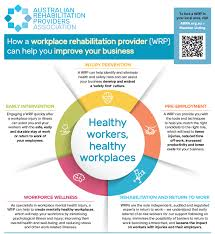
Workplace rehabilitation is a structured process that supports injured or ill workers in returning to productive employment as safely and quickly as possible. For Australian employers, understanding their obligations under workplace rehabilitation legislation is not just a compliance requirement — it is an opportunity to demonstrate genuine care for their workforce and reduce the significant costs associated with prolonged worker absence.
The economic impact of workplace injury extends well beyond the direct costs of medical treatment and workers compensation premiums. Productivity losses, the cost of finding and training replacement workers, the effect on team morale, and the potential for legal disputes all compound the financial burden on employers. Investing in effective rehabilitation reduces these downstream costs and helps retain experienced workers who are valuable to the business.
Employer obligations under Australian law
Each Australian state and territory has its own workers compensation scheme with specific obligations for employers regarding the rehabilitation of injured workers. While the details vary, the general framework across all jurisdictions requires employers to provide suitable duties for injured workers, cooperate with rehabilitation providers, and develop return-to-work plans in consultation with the worker and their treating practitioners.
Specialist providers such as Rehab Management work alongside employers and injured workers to coordinate rehabilitation, develop return-to-work plans, and provide ongoing case management throughout the recovery process. These professionals bring expertise in occupational therapy, exercise physiology, and workplace assessment that helps identify what duties are suitable at each stage of recovery and how the workplace may need to be modified to support a graduated return.
Suitable duties are central to the rehabilitation process. These are tasks that an injured worker can perform safely within their current physical or psychological limitations. Suitable duties do not need to be identical to the worker’s pre-injury role — they may be modified tasks, reduced hours, different responsibilities within the same team, or even work in a different area of the business while recovery continues.
A return-to-work plan is a formal document that outlines the goals, timeframes, and specific duties involved in an injured worker’s rehabilitation. It is developed collaboratively with input from the worker, their treating medical practitioners, the employer, and the rehabilitation provider. The plan is reviewed regularly and adjusted as the worker’s capacity improves, providing a structured pathway back to full or sustainable employment.
Managing psychological injuries in the workplace
Psychological injuries — including work-related stress, anxiety, depression, and burnout — are among the most complex and expensive claims in the Australian workers compensation system. The invisible nature of these conditions, combined with the potential for multiple contributing factors both within and outside the workplace, makes rehabilitation more challenging than for straightforward physical injuries.
A positive and supportive workplace response to psychological injury claims significantly affects rehabilitation outcomes. Workers who feel believed, respected, and genuinely supported by their employer and colleagues are more likely to engage constructively with rehabilitation and to return to work successfully. Conversely, a response that feels defensive or dismissive can entrench the worker’s distress and prolong absence considerably.
Early intervention is particularly critical for psychological injury claims. The longer a worker remains absent without active rehabilitation support, the more entrenched their absence from work can become. Establishing regular, respectful contact with the worker during their absence, offering flexible return-to-work options, and addressing any identified workplace factors that contributed to the injury are all important elements of effective early intervention.
Workplace assessments conducted by qualified rehabilitation consultants can identify what factors in the work environment may need to be modified before a worker with a psychological injury returns. These assessments consider factors such as workload, interpersonal relationships, management practices, and physical work design. Addressing these factors not only supports the returning worker but often improves conditions for the broader team.
Building business visibility and staying connected with clients and industry networks is important for allied health and rehabilitation providers. Strategies such as using directories to submit website links help practitioners reach employers and workers searching for rehabilitation support in their local area. Maintaining an accessible online presence is an important part of service delivery in the current healthcare landscape.
Premium increases in workers compensation premiums are linked to claim costs, so effective rehabilitation directly reduces one of the most significant insurance expenses for employers. Businesses with strong rehabilitation cultures — those that respond quickly, provide suitable duties effectively, and work closely with rehabilitation providers — tend to have better claims histories and lower premium costs than those that manage claims poorly.
Building a workplace culture that supports rehabilitation
A genuine rehabilitation culture goes beyond compliance with legal obligations. It reflects an organisational commitment to treating workers with dignity during a vulnerable period and to creating conditions where returning workers feel genuinely welcomed back. This culture is built through consistent leadership behaviour, clear communication of expectations to managers, and the integration of return-to-work principles into everyday management practice.
Training supervisors and team leaders to manage workplace injuries and rehabilitation effectively is an investment that pays dividends. Managers who are comfortable having sensitive conversations, who understand what suitable duties mean in practice, and who know when to escalate to a rehabilitation coordinator or HR specialist are better equipped to support injured workers through a successful return to the workplace.
Regular review of rehabilitation outcomes helps employers identify patterns in their claims experience and address systemic issues that may be contributing to injury rates. If certain roles, teams, or locations generate a disproportionate number of claims, targeted prevention activity can reduce injury rates and, in turn, rehabilitation costs. Viewing rehabilitation data as a tool for prevention as well as a response to individual claims improves outcomes across the business.
Workplace rehabilitation is ultimately about people. Behind every workers compensation claim is an individual who has been hurt or become unwell, whose capacity to work and whose financial security have been affected. Employers who approach rehabilitation with genuine respect for the worker as a person, and who invest the time and resources to get the process right, tend to achieve far better outcomes — for the worker, for the team, and for the business as a whole.
