
You might be feeling pulled in two directions right now. On one hand, you want to do what is best for your pet. On the other, the idea of surgery can feel heavy, and you may be wondering why a routine procedure like spaying or neutering is so often done in an Edmonton animal clinic instead of a simpler setting. That question is more common than you think, especially when you are trying to balance safety, cost, and peace of mind.
The short answer is this. Spay and neuter procedures are surgeries, and even when they are common, they still call for anesthesia, sterile technique, pain control, and close monitoring before, during, and after the operation. That is why many pets have these procedures in an animal hospital, where the team, equipment, and recovery support are already in place.
Why does a routine spay or neuter surgery still need an animal hospital?
It is easy to hear the word routine and assume the process is simple. But routine does not mean risk-free. A spay is abdominal surgery, which means the veterinarian is operating inside the body and removing reproductive organs through an incision. A neuter is less invasive, but it still involves anesthesia, surgical technique, bleeding control, and recovery care.
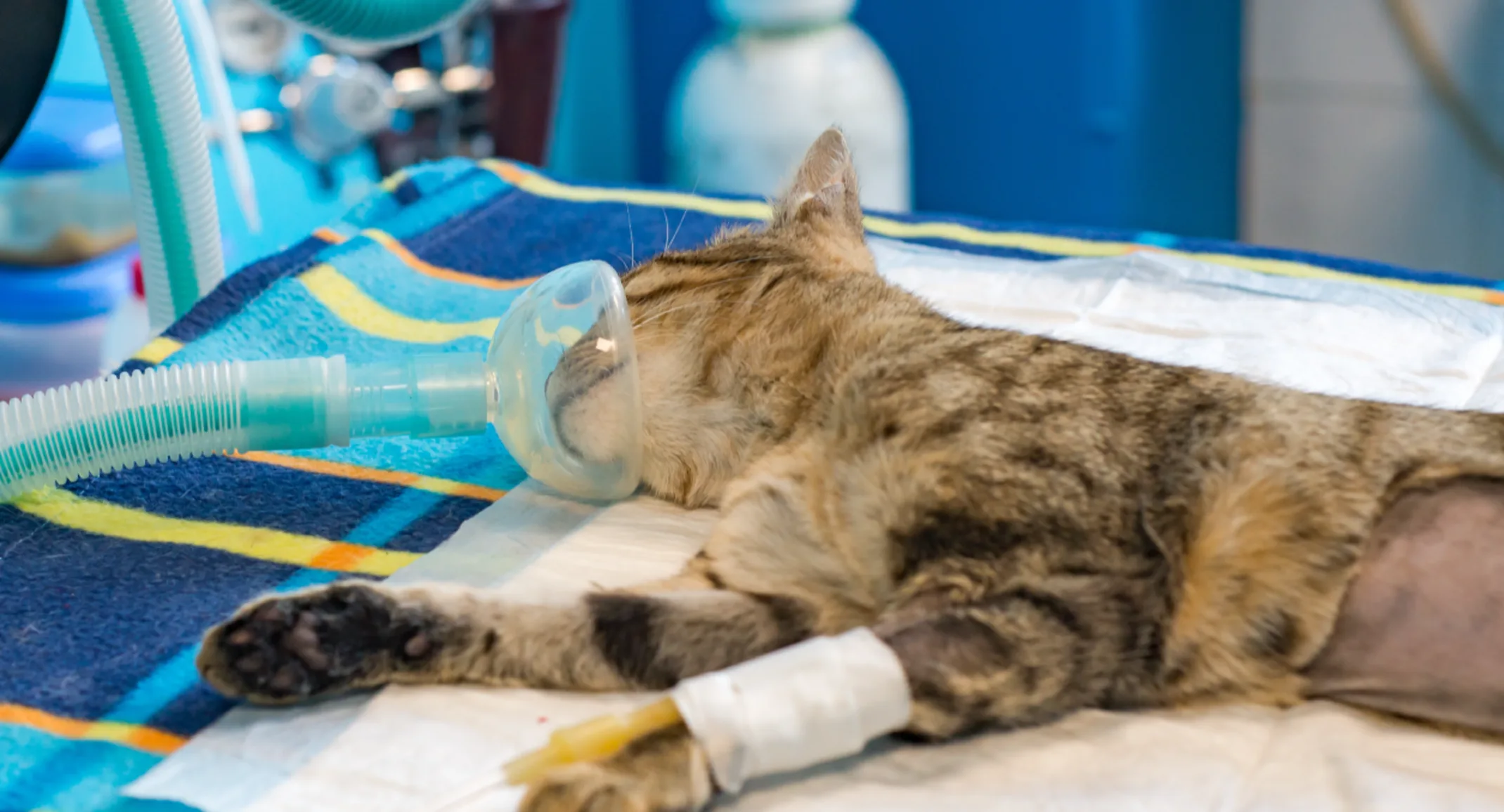
Because of this, an animal hospital provides something that matters more than many pet owners first realize. It provides layers of protection. Your pet can be examined before surgery, monitored during anesthesia, and observed afterward while waking up. If anything unexpected happens, the team is already there to respond.
That matters because anesthesia is not just a matter of your pet falling asleep for a while. It involves careful dosing, monitoring heart rate and breathing, tracking temperature, and managing pain. If you want a clearer picture of why sedation and anesthesia require planning and supervision, this overview from Texas A&M explains how pet sedation and anesthesia work in a way that helps many owners feel less in the dark.
So, where does that leave you? Usually in the place most pet owners land. You want the procedure to be affordable, but you also want to know your pet is protected if the day does not go exactly as planned.
What makes animal hospitals better equipped for spaying and neutering?
Animal hospitals are built around the reality that surgery can shift quickly from expected to unexpected. Even a healthy young pet can have a reaction to medication, changes in blood pressure, or a slower recovery from anesthesia. Most of the time, everything goes smoothly. Still, the reason spay and neuter procedures are often done in hospitals is not because something will go wrong. It is because care teams prepare for the possibility that something could.
Think of a common scenario. A dog comes in for a spay and appears healthy during the initial exam. During surgery, the veterinarian finds the dog is in heat, which can increase blood flow and make the procedure more complex. Or a cat wakes up more slowly than expected and needs extra warming and monitoring. In an animal hospital, those needs can be handled right away.
There is also the issue of sterile technique. Surgical suites are designed to reduce contamination. That lowers the risk of infection and supports cleaner healing. Along with that, hospitals often have access to stronger pain management options, trained support staff, and recovery areas where pets can be watched until they are stable enough to go home.
If you have ever wondered whether a spay is “just a simple fix,” it may help to think of it as soft tissue surgery. That broader category includes procedures that need planning, surgical skill, and careful aftercare. VCA offers a useful explanation of soft tissue surgery for pets, and it helps show why even common operations are treated with real care.
Are there practical differences between a basic surgery setup and an animal hospital?
Yes, and this is often where the decision becomes clearer. The question is not just where your pet can have surgery. It is where your pet can have surgery with the support needed before, during, and after the procedure.
| Care Factor | Animal Hospital Setting | Why It Matters |
|---|---|---|
| Pre surgery exam | Usually includes a full physical assessment | Helps identify hidden concerns before anesthesia |
| Anesthesia monitoring | Dedicated staff and monitoring equipment are often available | Tracks breathing, heart rate, and temperature during surgery |
| Sterile surgical area | Designed for controlled surgical procedures | Reduces infection risk |
| Pain management | Often includes tailored medications before and after surgery | Supports comfort and smoother recovery |
| Recovery observation | Pets are monitored as they wake up | Allows quick response if recovery is delayed or uneven |
| Emergency response | Staff and tools are on site if complications arise | Adds a layer of safety during a time when minutes matter |
For many owners, cost is part of the stress. That is understandable. But when comparing options, it helps to look beyond the procedure fee alone. Ask what is included. Pre op bloodwork, IV fluids, pain medication, monitoring, and follow-up instructions all shape the value of care. A lower upfront price can sometimes mean fewer protections around the surgery itself.
This is one reason pet sterilization surgery is often tied to an animal hospital setting. The surgery is only one part of the experience. Safe anesthesia, clean technique, and a smooth recovery are part of the service too.
What can you do right now if you are weighing spay or neuter options?
1. Ask what the surgical plan includes.
Do not stop at the price. Ask whether the animal clinic includes a pre-surgery exam, bloodwork, anesthesia monitoring, pain medication, and recovery observation. If you know what is covered, you can compare options in a more honest way.
2. Talk about your pet’s age, breed, and health history.
Not every pet has the same needs. A young healthy cat may have a very different risk profile than an older dog or a pet with breathing issues. A good veterinary team will explain how those details affect the timing and setup for the procedure.
3. Prepare for recovery before surgery day arrives.
Set up a quiet place at home, ask how activity should be limited, and find out what warning signs to watch for after surgery. Planning ahead helps you feel calmer, and it makes your pet’s first day home easier.
Why do so many veterinarians recommend an animal hospital for reproductive surgery?
Because even common surgery deserves respect. That is really what this comes down to. Why Spay And Neuter Surgeries Are Often Performed At Animal Hospitals is not just a question about location. It is a question about safety, preparation, and what kind of support surrounds your pet at a vulnerable moment.
If you are sorting through options now, trust the instinct that made you ask the question in the first place. You are not overthinking it. You are trying to make a careful choice for an animal who depends on you. An animal clinic that offers clear answers, strong monitoring, and thoughtful aftercare is worth your attention. When you are ready, reach out and ask detailed questions so you can move forward with confidence.
