
The dining table has quietly become one of the most popular workstations in modern homes. As remote work continues to reshape daily routines, millions of professionals find themselves pulling up a chair at the kitchen or dining table each morning, laptop in hand, ready to tackle the day. While this arrangement offers convenience, it often comes with significant drawbacks. Standard dining chairs weren’t designed for eight-hour workdays, leading to back pain, poor posture, and mounting discomfort that chips away at productivity. Beyond the physical toll, many workers struggle with the visual disconnect of placing bulky office furniture in spaces meant for gathering and meals.
The ergonomic rope chair offers an elegant answer to both problems. Combining thoughtful body support with a design aesthetic that naturally complements dining spaces, this versatile seating option lets you work comfortably without sacrificing your home’s style. In this guide, you’ll discover why rope chairs work so well for dual-purpose dining areas, what features matter most, and how to set up a workspace that keeps you productive and pain-free throughout the day.
The Rise of the Dining Area as a Home Office
When the pandemic accelerated remote work adoption, spare bedrooms and home offices filled up fast. For many households, the dining table became the default workspace simply because it offered a flat surface, decent lighting, and proximity to coffee. What started as a temporary arrangement has become permanent for a growing number of professionals who either lack a dedicated office or prefer the open, communal feel of the dining area.
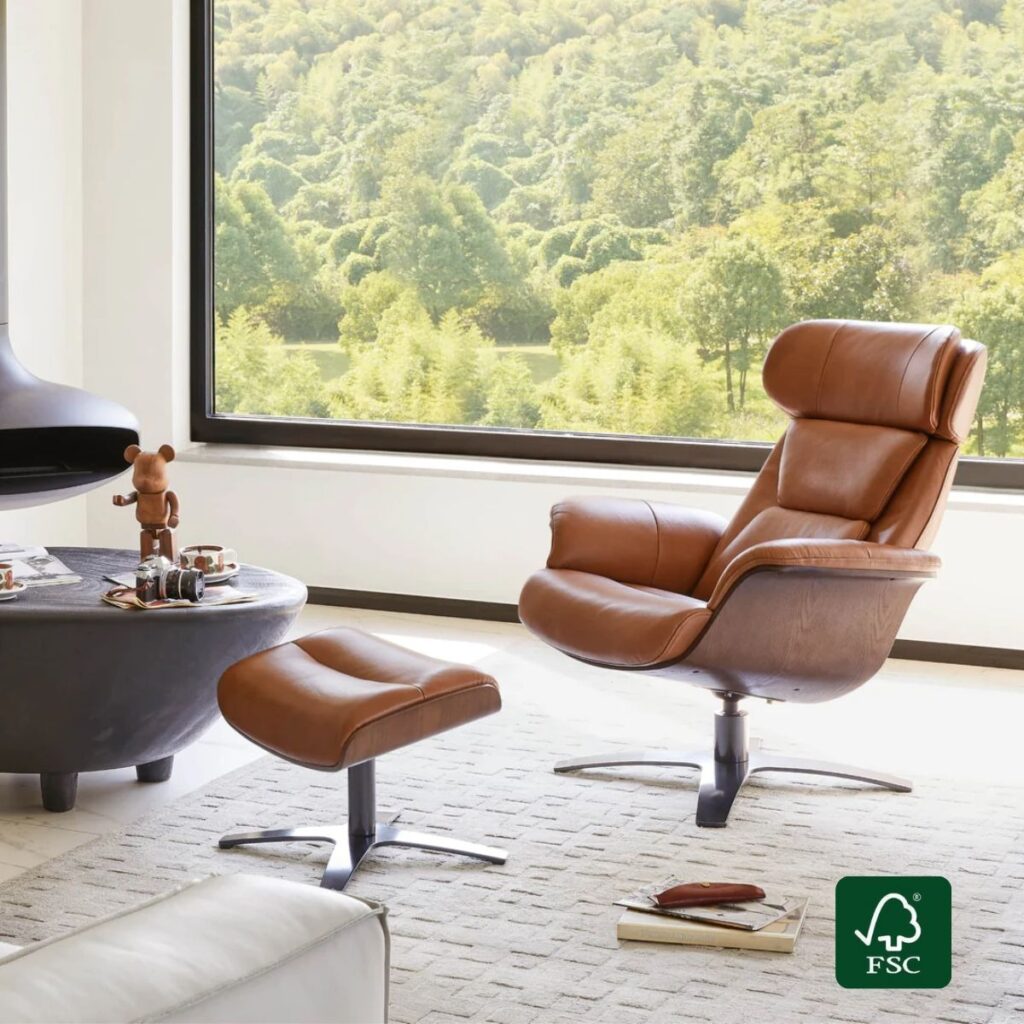
Yet this setup introduces real challenges. Standard dining chairs typically feature flat seats, minimal lumbar support, and rigid backs that force the body into unnatural positions. After a few hours, discomfort sets in. Shoulders tighten, the lower back aches, and concentration suffers. Over weeks and months, these issues compound into chronic pain and reduced work output. Meanwhile, the aesthetic problem persists—rolling office chairs with mesh backs and plastic armrests look jarringly out of place next to a carefully chosen dining set. The solution isn’t to abandon the dining area as a workspace but to rethink the seating. What remote workers need is a chair purpose-built for extended sitting that still belongs visually in a space designed for shared meals and conversation.
Why an Ergonomic Rope Chair is Ideal for Your Setup
Rope chairs distinguish themselves from conventional seating through a construction method that inherently supports the body’s natural curves. The woven rope or cord material creates a semi-flexible surface that conforms to your shape, distributing weight evenly rather than concentrating pressure on specific points. Unlike rigid wooden dining chairs that push against your spine or overly soft cushions that let you sink into poor alignment, a well-designed rope chair strikes a balance between give and structure that keeps your posture healthy throughout extended work sessions.
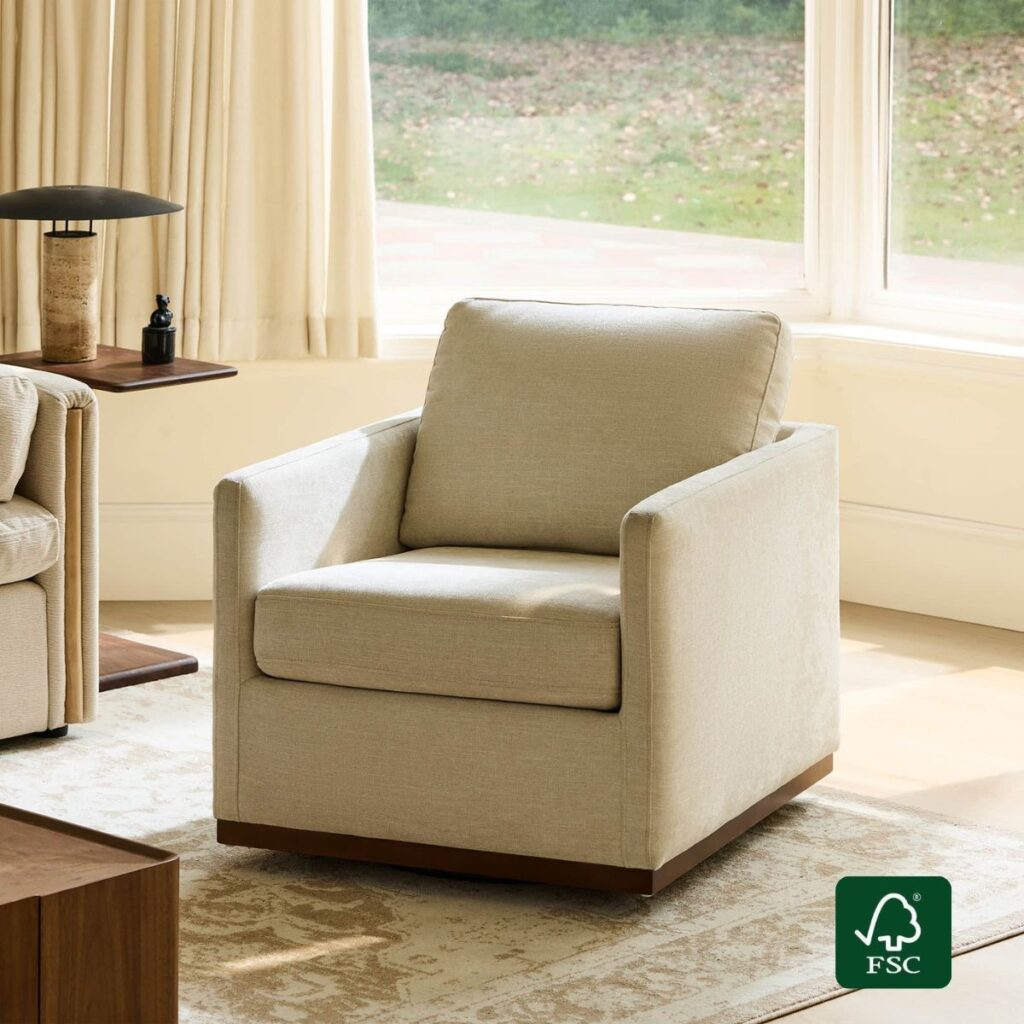
What makes this option particularly compelling for dining area workspaces is its ability to function as a genuine multi-functional hub. In the morning, the chair supports you through video calls and focused deep work. By evening, it transitions seamlessly to dinner seating without requiring you to swap furniture or rearrange the room. This dual-purpose capability eliminates the awkward shuffle of hiding office chairs in closets or wheeling them into other rooms when guests arrive. The rope construction also promotes subtle micro-movements as you shift position, engaging core muscles and preventing the stiffness that comes from sitting completely static on a hard surface.
The supportive seating characteristics extend beyond the rope weave itself. Quality ergonomic rope chairs incorporate contoured backrests that follow the lumbar curve, seat depths proportioned for proper thigh support, and armrest heights that allow shoulders to relax while typing. Together, these features create a seating experience that sustains comfort across four, six, or even eight hours of work—something no standard dining chair can claim. The result is fewer breaks needed for stretching, less end-of-day fatigue, and noticeably better focus during demanding tasks.
Key Features of a Quality Ergonomic Rope Chair
Not all rope chairs deliver the same level of support and functionality. When evaluating options for your dining area workspace, focus on the features that directly impact your daily comfort and long-term health. The best ergonomic rope chairs combine structural engineering with thoughtful material choices to create seating that performs equally well during a three-hour strategy session and a relaxed weekend brunch.
High-Density Foam Cushioning for Enhanced Comfort
The rope weave provides the chair’s foundational support structure, but high-density foam cushioning is what makes extended sitting genuinely comfortable. This type of foam resists compression over time, meaning your seat won’t bottom out after a few months of daily use. It absorbs pressure from your sit bones and distributes it across a wider area, reducing the numbness and fidgeting that plague workers stuck on hard surfaces. Look for cushions with at least moderate thickness that maintain their shape even after hours of continuous use—this single feature often separates a chair you can tolerate from one you actually enjoy sitting in.
Design and Aesthetics for Seamless Dining Decor Integration
A rope chair’s visual appeal comes from its textural warmth and organic material palette. Natural fiber tones, woven patterns, and clean frame lines allow these chairs to complement wood tables, modern minimalist settings, and mid-century interiors alike. Brands like Chitaliving have demonstrated how pairing woven rope with solid wood frames creates furniture that feels cohesive within a dining environment. When selecting a chair, consider how the rope color and frame finish interact with your existing dining furniture. Neutral rope shades pair broadly, while darker weaves add contrast to lighter tables. The goal is choosing a chair that looks intentionally placed rather than borrowed from another room.
Multi-Functional Hub Capabilities for Versatility
The strongest rope chair designs accommodate multiple activities without compromise. A proper seat height works for both typing at a standard dining table and eating comfortably. Armrests that tuck neatly under the table edge keep the space clean when transitioning from work to meals. Some models offer slight recline flexibility, supporting the shift from upright focused work to a more relaxed posture during reading or casual conversations. This adaptability means one chair genuinely serves every function your dining area demands throughout the day.
How to Choose the Right Rope Chair for Your Space
Selecting the right ergonomic rope chair starts with measuring your dining table height and comparing it against the chair’s seat height. Most dining tables sit between 28 and 30 inches tall, so you’ll want a seat that positions your elbows at roughly table level when typing. Sit in the chair if possible—your feet should rest flat on the floor with thighs parallel to the ground, and there should be a small gap between the seat edge and the back of your knees.
Style compatibility matters more than you might expect. Examine your existing dining furniture and identify the dominant materials and tones. A rope chair with a powder-coated metal frame suits contemporary spaces, while one built on a warm wood base blends naturally with traditional or Scandinavian-inspired sets. Test how the rope texture and color interact with your table surface and any upholstered pieces nearby. Beyond aesthetics, evaluate the supportive seating elements carefully. Press into the cushion to check density—it should compress slightly under pressure but spring back quickly. Rock gently in the backrest to confirm it offers enough lumbar contact without feeling overly rigid. Finally, consider your budget in terms of daily use value. A chair you’ll sit in for forty or more hours each week justifies a higher investment than occasional seating, so prioritize build quality and ergonomic features over the lowest available cost.
Creating a Comfortable Workspace in Your Dining Area
Setting up an effective workspace in your dining area goes beyond simply pulling up a chair. Start by positioning your ergonomic rope chair at the section of the table that receives the most natural light—ideally near a window where daylight falls from the side rather than directly behind your screen, which creates glare. If natural light is limited, add a desk lamp with adjustable brightness that you can remove or tuck away when the table returns to dining duty.
Next, establish your chair’s optimal position relative to the table surface. Sit fully back in the seat so the lumbar support engages your lower back, then adjust your laptop or monitor height until the top of the screen sits at or slightly below eye level. A slim laptop stand that folds flat works well for shared spaces since it stores easily in a drawer between meals. Keep your keyboard and mouse at a height where your forearms remain roughly parallel to the floor, letting the chair’s armrests share the load with the table edge.
Organization prevents your dining area from feeling permanently converted into an office. Use a single tray or basket to corral work essentials—charger, notebook, pens, headphones—so you can clear the table in under a minute. This physical boundary between work and personal time also helps mentally. When the laptop closes and the tray moves to a shelf, the space instantly feels like a dining room again. Finally, consider a small footrest if your table height doesn’t perfectly match your chair. Proper foot support keeps circulation flowing and reduces pressure on your thighs during long sessions, completing the comfortable workspace your rope chair anchors.
Build Your Ideal Dining Area Workspace with the Right Rope Chair
Transforming your dining area into a productive workspace doesn’t require sacrificing comfort or style. The ergonomic rope chair bridges the gap between dedicated office furniture and the aesthetic demands of a shared living space, giving remote workers a seating solution that performs across every hour of the day. With features like high-density foam cushioning that resists compression, woven rope construction that conforms to your body’s natural curves, and design elements that integrate seamlessly with dining decor, this chair addresses the core frustrations of working from a standard dining setup.
The key takeaways are straightforward: measure your space and table height before purchasing, prioritize supportive seating features over appearance alone, and build a complete workspace around your chair with proper lighting, screen positioning, and simple organization systems. When these elements come together, your dining area becomes a multi-functional hub that supports focused work, comfortable meals, and everything in between. Take the step today—evaluate your current seating, consider what an ergonomic rope chair could change about your daily work experience, and invest in a solution that keeps your body supported and your home looking exactly as you intended.
