
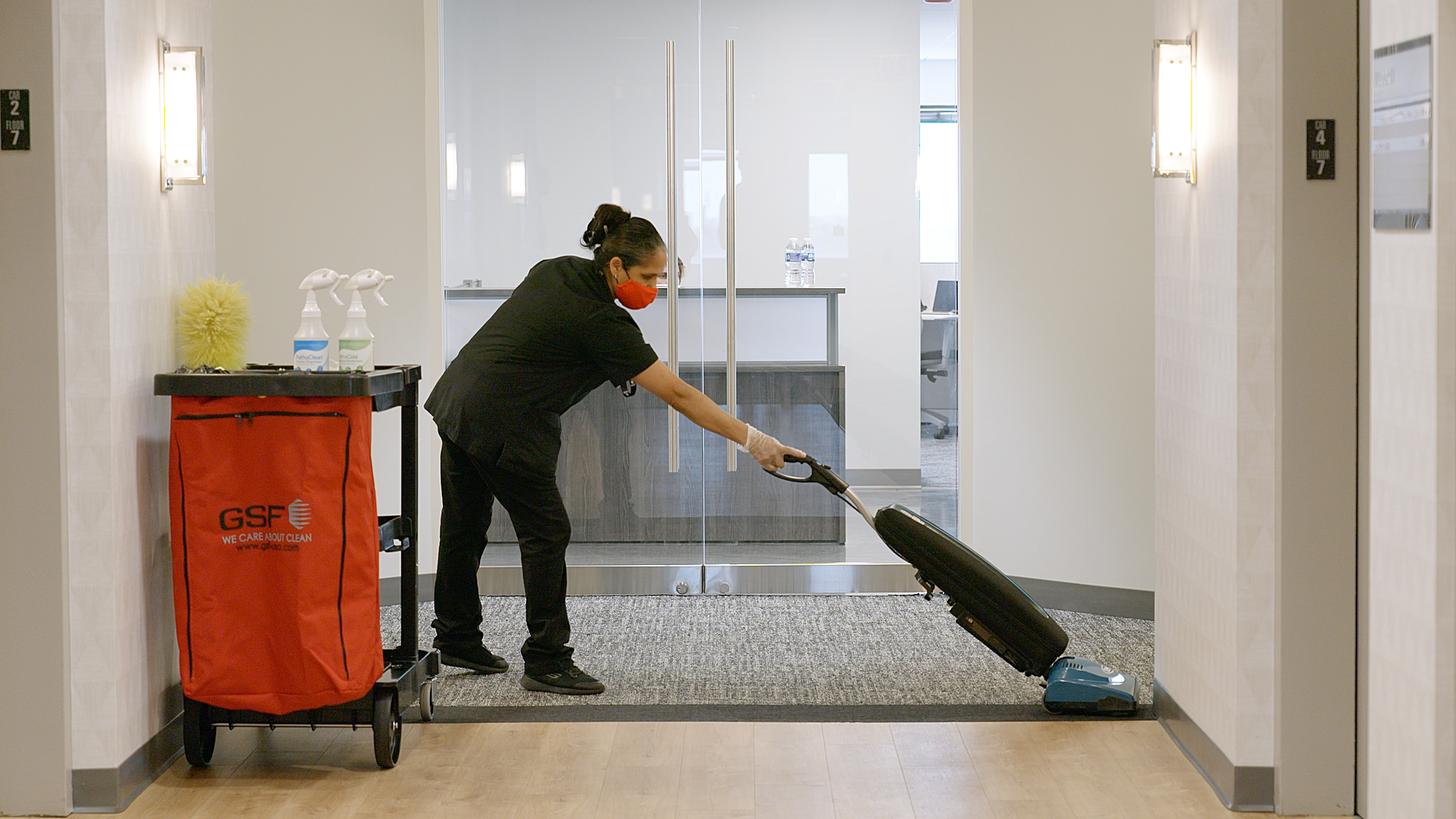
High-security facilities cannot be cleaned the same way as ordinary offices, retail spaces, or public buildings. The work must maintain sanitation and order without disrupting access controls, surveillance procedures, or restricted operations. In these environments, cleaning staff move through spaces where timing, authorization, and accountability matter as much as the cleaning itself. A missed step can create more than inconvenience. It can interfere with documented procedures, chain-of-access rules, or room status requirements. That is why janitorial work in secure sites depends on disciplined routines, close coordination, and clear movement limits that shape how teams enter, clean, exit, and document every area.
Security Shapes Every Task
- Access Rules Determine Cleaning Methods
In high-security facilities, janitorial teams usually begin with access limits rather than task lists. A room may require escort clearance, badge verification, sign-in procedures, or approval from an operations lead before any cleaning can start. That changes how staff plan routes, carry supplies, and estimate the time needed for each zone. Instead of moving freely from one room to another, cleaners may need to wait for scheduled windows or work only when certain departments are inactive. Even routine activities such as emptying waste bins, wiping surfaces, or mopping corridors can be linked to access checkpoints and controlled-entry records. Teams often clean in a fixed sequence so supervisors can verify where staff were, when they entered, and when they left. This approach reduces confusion and helps preserve accountability in spaces where unrestricted movement is not acceptable. Cleaning carts, tools, and chemical containers may also be reviewed before entry, so nothing unnecessary crosses into a sensitive zone. In secure environments, the method is shaped as much by location control as by sanitation needs, which means efficiency depends on preparation long before a mop or cloth is used.
- Documentation Matters as Much as Appearance
A high-security facility often expects janitorial teams to leave behind more than a visibly clean space. It also expects a record of who entered, which areas were serviced, what supplies were used, and whether anything unusual was observed during the visit. Documentation is integral to operational reliability because many secure sites cannot rely on memory or informal verbal updates. If a room was inaccessible, a seal appeared damaged, or an item was found out of place, that detail may need to be reported immediately rather than saved as a note for later. Teams handling Commercial Cleaning in these environments usually operate under tighter reporting structures because the cleaning process is tied to broader site control, not just appearance standards. Logs may include timestamps, escort names, completed zones, and incident notes tied to each shift. This level of tracking helps the facility distinguish routine housekeeping from events that may require review. It also protects the janitorial staff by creating a clear trail of actions and observations. In high-security work, a clean floor matters, but a documented and traceable process often matters just as much.
- Equipment Control Reduces Operational Risk
Tools and supplies that seem ordinary in other buildings can become a concern in high-security settings if not carefully controlled. A janitorial team may have to account for every bottle, key, cloth, scraper, liner, and vacuum attachment that enters a restricted area. That level of control helps prevent misplaced items, limits unauthorized materials, and reduces the chance that a forgotten tool creates a security response later. Teams often work with reduced or site-approved equipment selections rather than bringing in whatever is convenient for the shift. Color-coding, inventory checks, and end-of-task counts are common ways to keep materials under control. Storage also matters. Supplies may need to stay in locked closets, tamper-monitored cabinets, or approved containers rather than on open carts left in hallways. Even waste handling can be more structured, especially if trash removal passes through controlled corridors or loading zones. In these environments, janitorial efficiency depends on predictability. A crew that can account for every item and keep equipment within approved boundaries is easier for the facility to trust. Good cleaning supports security when the tools themselves are managed with the same care as the rooms being serviced.
Cleanliness Must Work With Security
Cleaning in high-security facilities is not only about disinfecting surfaces or keeping floors presentable. It is about doing those jobs within a tightly managed structure where access, accountability, timing, and material control all carry real weight. Janitorial teams in these settings rely on disciplined routes, documented activity, controlled equipment, and steady coordination with site operations to complete their work without creating unnecessary risk. The result is a cleaning model that supports both sanitation and operational stability. When teams understand that security procedures are part of the job itself, they can help maintain spaces that are not only clean but also orderly, traceable, and fully aligned with the facility’s demands.
