
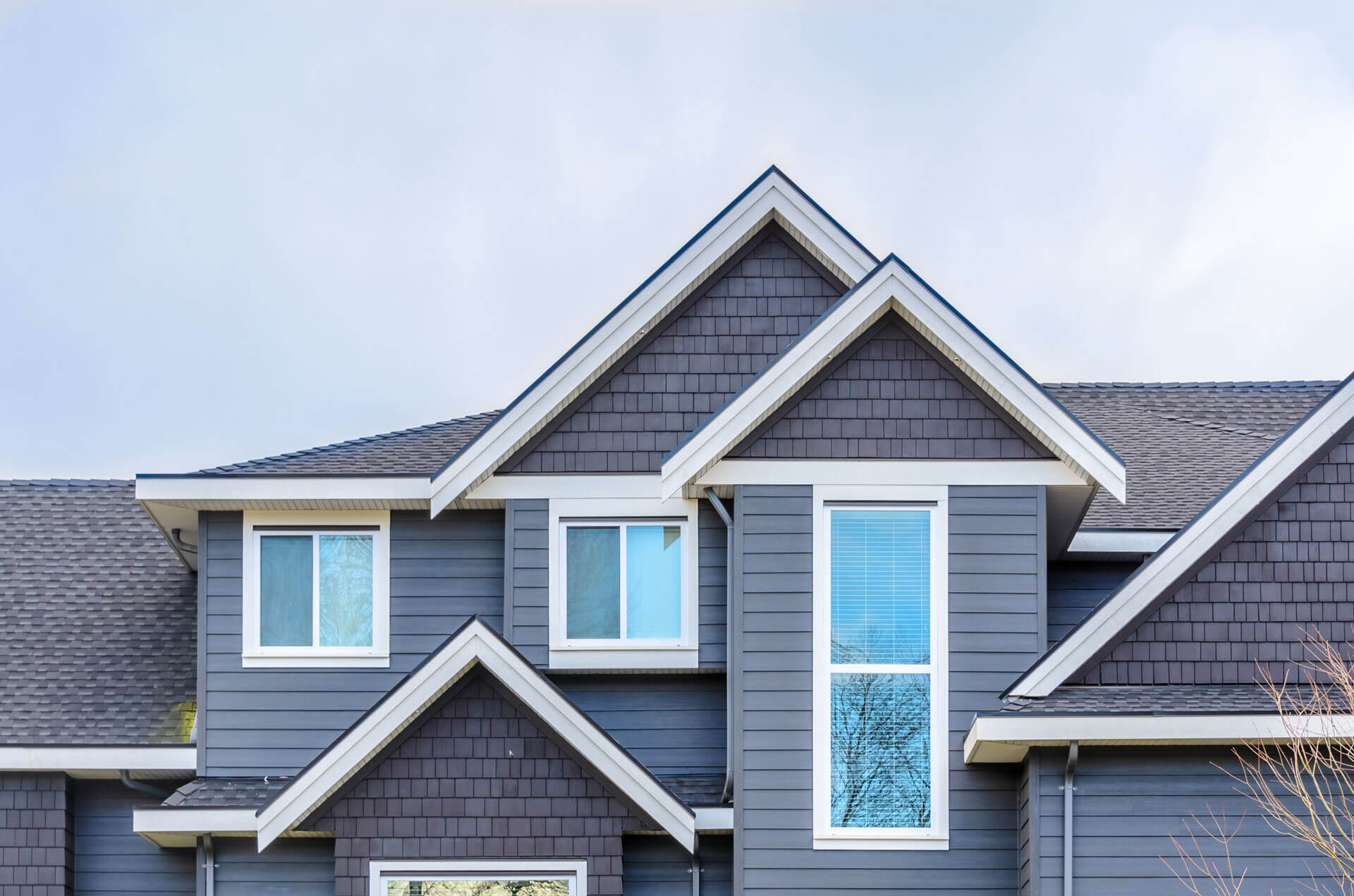
Roof slope affects how quickly water leaves the roof surface, how long moisture lingers near seams, and how much time wind has to push rain under the edges. A steeper roof generally sheds water faster because gravity pulls runoff downslope with more force, reducing the amount of standing water on shingles or panels. A lower slope can still shed water, but it tends to do so more slowly, which increases the time water spends near laps, penetrations, and valleys. That extra time matters during heavy storms because pooling and slow drainage can expose small weaknesses in flashing details. Slope also affects where water concentrates, how debris moves, and how quickly surfaces dry after rain. Understanding these relationships helps homeowners and builders select materials and details that match the roof geometry and local weather.
How slope controls runoff
- What Slope Changes in Runoff Behavior
Roof slope is the angle that decides how gravity interacts with water on the surface. As the slope increases, water accelerates, which usually means less dwell time on the roof covering. Less dwell time reduces the chance that water will seep into tiny gaps around fasteners, shingle tabs, or panel seams. On lower slopes, water moves more slowly and can form a thin sheet that clings to the surface, especially when debris, algae film, or surface texture increases friction. That slower movement makes a roof more dependent on underlayment and well-designed laps, because the covering is exposed longer to each rain event. Slope also changes how runoff patterns form. Steeper roofs often produce more concentrated streams in valleys and along eaves because water gathers speed and follows the easiest path. Lower slopes may spread water more evenly, but they are more vulnerable to small dips that create localized ponding. Drying time after rain is also linked to slope, because faster shedding usually leaves less residual moisture. When moisture lingers, it can accelerate granule loss, encourage organic growth, and keep nail lines damp longer than intended.
- How Material Type Interacts With Slope
Different roof coverings respond to slope changes in different ways because their water-shedding mechanisms are not identical. Asphalt shingles shed water through overlapping courses, and the slope helps those overlaps drain quickly rather than seep. Metal panels shed water rapidly, but seams and fastener lines become more important at lower pitches where water can back up during heavy rain. Tile and slate rely on overlap and gravity, yet they can trap wind-driven rain under edges if the slope is low and exposure time is long. Membrane and modified bitumen systems are often used on low-slope roofs because they are designed to act as a continuous water barrier when drainage is slower. This is why minimum slope guidelines exist, since some materials cannot reliably handle slow-moving water without a different detailing approach. Slope also affects how water behaves at transitions, such as roof-to-wall ties, dormers, and skylight curbs. A steep roof may shed quickly past these areas, while a low-slope roof gives water more time to test each joint. Matching material to slope is not only about avoiding leaks, it is also about maintaining a predictable shedding speed across the whole surface.
- Valleys, Edges, and Concentrated Flow Zones
Even on a steep roof, the rate at which water sheds is not uniform because certain areas concentrate the flow. Valleys combine runoff from two roof planes, so the speed and volume increase dramatically compared to open field areas. If a valley has debris buildup or poor alignment, it can slow shedding and cause water to fan out under shingles. Eaves and drip edges are also slope sensitive because water must exit cleanly without curling back under the edge. Lower slopes often experience greater edge tension, where water clings and can wrap under if the edge metal is not well shaped. Gutters introduce another variable because they can back up during heavy rain, slowing the rate at which water leaves the system. In climates with frequent storms, roof geometry and valley count can matter as much as pitch because every valley acts like a funnel. In many Midwestern neighborhoods, including Joliet, roofs with multiple valleys can shed water quickly on the main planes yet still experience slow drainage at the valley exits if gutters clog or downspouts restrict flow. Concentrated zones are where slope advantages can be lost, so the detailing at these locations often determines whether faster runoff actually results in a drier roof.
How to Spot Slow-Shedding Areas
Roof slope influences the rate at which water sheds by affecting how strongly gravity pulls runoff downslope and how long moisture remains near seams, edges, and penetrations. Steeper slopes typically shed faster, reducing dwell time and improving drying, while lower slopes shed more slowly and depend more on underlayment, laps, and precise flashing. Concentrated zones such as valleys and eaves can override the benefits of pitch if debris or gutter backups slow drainage. Wind-driven rain increases the risk when water lingers, making low-slope roofs more sensitive to the quality of their detailing. Understanding slope helps match materials, design drainage paths, and maintain key areas so water exits quickly and the roof stays drier over time.
<iframe src=”https://www.google.com/maps/embed?pb=!1m18!1m12!1m3!1d2986.3608835296423!2d-88.15986079999999!3d41.5397828!2m3!1f0!2f0!3f0!3m2!1i1024!2i768!4f13.1!3m3!1m2!1s0x880e61407af36a8d%3A0x1a1fe4fe22f7bdbf!2sJoliet%20Roofing!5e0!3m2!1sen!2s!4v1686038146733!5m2!1sen!2s” width=”600″ height=”450″ style=”border:0;” allowfullscreen=”” loading=”lazy” referrerpolicy=”no-referrer-when-downgrade”></iframe>
