
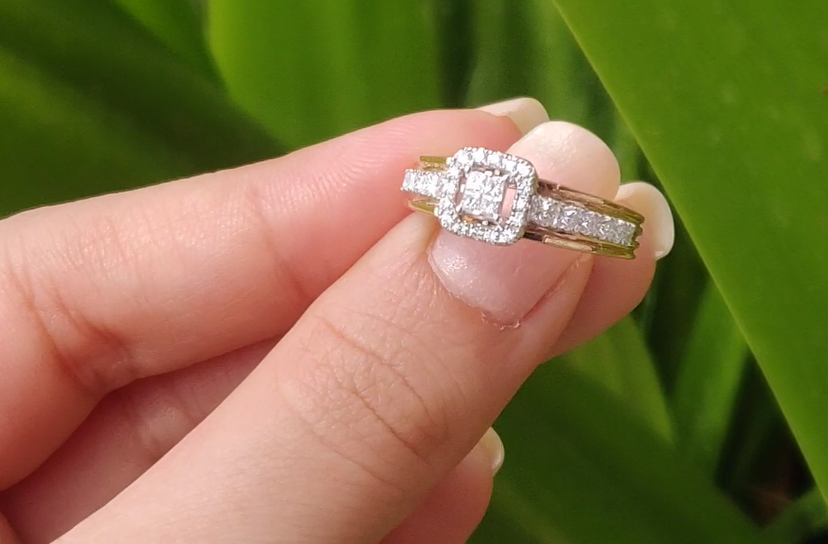
There is a particular kind of hesitation that appears when someone considers selling a diamond ring. It is rarely just about the object itself. A ring may have rested quietly in a drawer for years, no longer worn but not entirely forgotten. It may belong to a past relationship, a family chapter, or a moment in life that once carried certainty. When the decision to sell finally begins to feel possible, speed is often less important than understanding.
This is why diamond ring sellers tend to value clarity over urgency. A fast transaction may feel efficient, but efficiency alone does not always bring peace of mind. The more meaningful question is whether the seller understands the value, the process, and the emotional weight of the decision well enough to move forward without regret.
Letting Go Begins Before the Ring Is Sold
The decision to sell a diamond ring often begins long before any formal evaluation. It starts privately, with a change in how the owner relates to the piece. What once felt symbolic may begin to feel distant. What once belonged to daily life may become something held only out of habit.
This transition is not always dramatic. Sometimes it arrives quietly. The owner realizes the ring no longer serves the life they are living now. Yet even when the decision feels practical, the mind often needs time to catch up with the emotion.
That is why pressure can feel so uncomfortable. If the process moves too quickly, the seller may feel that the ring’s personal history has been reduced to a number before they have fully understood the decision. A thoughtful selling process respects this psychological pace.
Clarity Reduces the Fear of Regret
One of the strongest emotions behind selling a diamond ring is the fear of regret. Sellers may wonder whether they are accepting too little, choosing the wrong moment, or letting go too quickly. This hesitation is not irrational. It is part of making a decision around an object that carries both financial and emotional value.
Clarity helps soften that fear. When the seller understands how the ring is evaluated, why certain details matter, and how the market interprets the piece, the decision becomes less vulnerable to doubt.
A clear explanation gives shape to the process. It separates what can be measured from what can only be remembered. It allows the seller to see that emotional value and market value are not enemies; they simply belong to different parts of the experience.
Why a Calm Process Feels More Valuable Than a Fast One
Speed can be useful in ordinary transactions, but high-value jewelry requires a different rhythm. A diamond ring deserves time for proper inspection, thoughtful explanation, and measured decision-making. When speed becomes the main focus, the seller may feel encouraged to act before confidence has fully formed.
A calm process does something more valuable. It creates space for questions. It allows the owner to understand the ring as a complete piece: the diamond, the setting, the craftsmanship, the condition, the documentation, and the current market environment.
For many owners, the ability to sell your diamond ring with confidence comes not from being rushed toward an answer, but from feeling that every relevant detail has been considered with care.
That confidence is difficult to create quickly. It is built through transparency.
Trust Turns a Transaction Into a Decision
Trust plays a central role in the psychology of letting go. Without trust, even a fair offer can feel uncertain. The seller may continue to question the process afterward, wondering whether something was missed or whether the decision was made too soon.
With trust, the same transaction feels different. The seller feels guided rather than pressured. The ring is not treated as a generic item, but as a piece whose meaning and market position both deserve careful attention.
This is especially important in diamond ring resale because value is layered. A ring may contain a fine stone, a distinctive setting, sentimental history, and practical resale considerations all at once. A trustworthy process helps the seller understand each layer without forcing them to choose between emotion and reason.
Conclusion
The psychology of letting go is rarely simple. Selling a diamond ring can involve memory, identity, transition, financial logic, and emotional readiness all at the same time. That is why sellers often care less about speed than they do about clarity.
A quick process may complete the transaction, but a clear process completes the decision. It gives the seller enough understanding to move forward without feeling that the ring was misunderstood or the moment was rushed.
In the world of fine jewelry resale, the most meaningful outcomes are not always created by the fastest offers. They are created by thoughtful evaluation, calm explanation, and trust in the process. When those elements are present, letting go no longer feels like losing something under pressure. It becomes a considered step into the next chapter, carried by confidence rather than uncertainty.
