
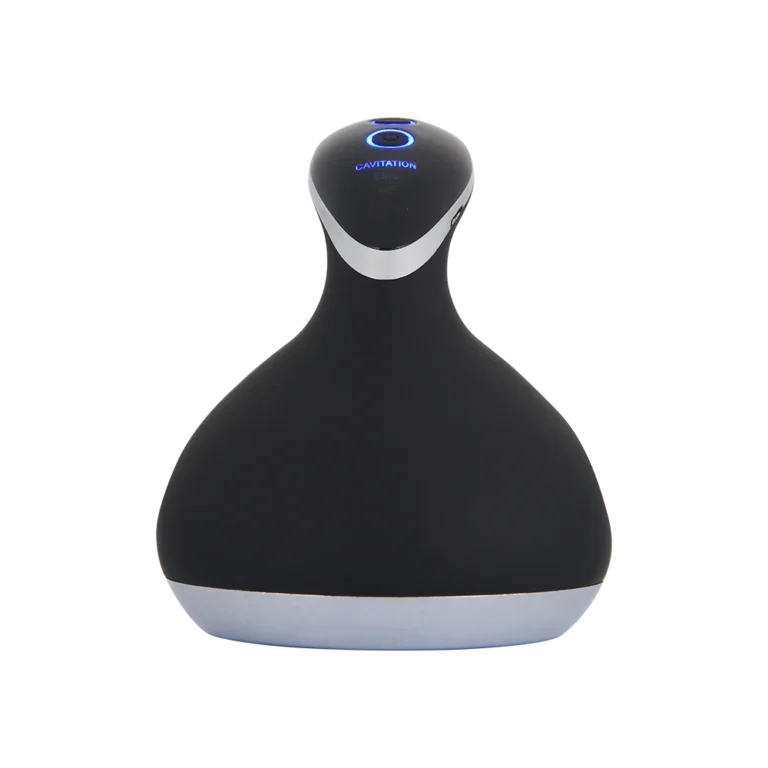
The machine typically integrates several distinct technologies into a single platform, allowing practitioners to address multiple concerns in one session.
Ultrasonic Cavitation is the core technology. The device emits low-frequency sound waves, usually at 40 kHz, that penetrate deep into the subcutaneous fat layer. These waves create a process called cavitation, where micro-bubbles form within the fatty tissue and implode. This implosion generates enough force to disrupt the fat cell membranes, causing the cells to break down and release their contents. The body then metabolizes and eliminates the released fat through natural pathways.
Vacuum Therapy complements the cavitation process. A vacuum handpiece applies negative pressure to the skin, which lifts and stretches the tissue. This action improves blood circulation, stimulates the lymphatic system, and helps drain the released fat and toxins away from the treated area. Vacuum therapy also helps smooth the appearance of cellulite by stretching the connective tissue bands beneath the skin.
Radio Frequency (RF) Energy is often integrated to address skin laxity. RF energy heats the dermis to a controlled temperature, typically between 45°C and 65°C. This thermal effect causes existing collagen fibers to contract and stimulates the production of new collagen and elastin over time. The result is firmer, tighter, and more youthful-looking skin. Some devices use multipolar RF configurations to deliver energy more evenly and deeply.
Key Specifications to Understand
When evaluating a vacuum cavitation machine, several technical specifications determine its capabilities and intended use.
Cavitation Frequency: Most devices operate at 40 kHz, which is considered optimal for fat cell disruption. Some machines offer adjustable frequencies or dual frequencies to target different tissue depths.
Power Output: Professional-grade machines typically range from 300W to 500W, while home-use devices may be lower. Higher power generally translates to more intense treatments and potentially faster results, but also requires more careful operation.
Vacuum Pressure: Measured in kilopascals or millimeters of mercury, vacuum pressure determines the intensity of the suction. Professional devices can achieve vacuum levels of -80 kPa or higher, providing strong lymphatic drainage and tissue manipulation. Home devices often operate at lower, gentler pressures.
Number of Handles and Functions: Machines are available in various configurations, from simple 3-in-1 systems to advanced 8-in-1 or 9-in-1 platforms that include additional features like lipo laser pads, bio microcurrent, and dermabrasion. More handles mean greater treatment flexibility but also higher cost and complexity.
What the Treatment Involves
A typical vacuum cavitation session follows a structured protocol designed to maximize results while ensuring client comfort and safety.
The treatment area is first cleaned and prepared. A conductive gel is applied to facilitate the transmission of ultrasonic waves and to allow the handpiece to glide smoothly over the skin. The practitioner then selects the appropriate handpiece and adjusts the settings based on the treatment area and the client’s tolerance.
The cavitation handpiece is moved slowly and continuously over the target area in circular or sweeping motions. Each zone is typically treated for 10 to 15 minutes. The vacuum RF handpiece may be used afterward to enhance lymphatic drainage and skin tightening. A full body session can last anywhere from 30 to 60 minutes, depending on the number of areas treated.
Most protocols recommend a series of 8 to 12 sessions, spaced about a week apart, to achieve noticeable and lasting results. Maintenance sessions every few months help sustain the improvements.
What to Consider Before Buying
The market for vacuum cavitation machines is vast, with products ranging from professional-grade systems costing several thousand dollars to budget home devices priced under a few hundred dollars. Several factors should guide the decision.
Intended Use: Professional spas and clinics require robust, high-power machines with multiple handles and advanced features to serve a diverse clientele. Home users may prefer a simpler, more affordable device with safety features designed for self-treatment.
Certifications and Quality: For professional use, look for devices that carry relevant certifications, such as ISO 13485 for medical device quality management or CE marking for European compliance. These certifications indicate that the manufacturer has met specific quality and safety standards.
Safety Features: Essential safety features include adjustable intensity levels, automatic shutoff, and clear operating instructions. The device should have an emergency stop button and be constructed from materials that are easy to clean and disinfect.
Support and Warranty: A reputable manufacturer or supplier should offer comprehensive technical support, training resources, and a warranty that covers parts and service. This is particularly important for professional users who depend on the equipment for their business.
Reviews and Reputation: Customer reviews can provide valuable insights into real-world performance, durability, and the quality of support provided by the seller. Look for feedback from users with similar needs to your own.
The Bottom Line
A vacuum cavitation machine is a versatile tool that combines ultrasonic fat reduction, vacuum lymphatic drainage, and RF skin tightening into a single non-invasive platform. It offers a practical option for body contouring without the risks and recovery time associated with surgery. Understanding the technology, specifications, and practical considerations will help you determine whether this type of device is the right fit for your needs.
