
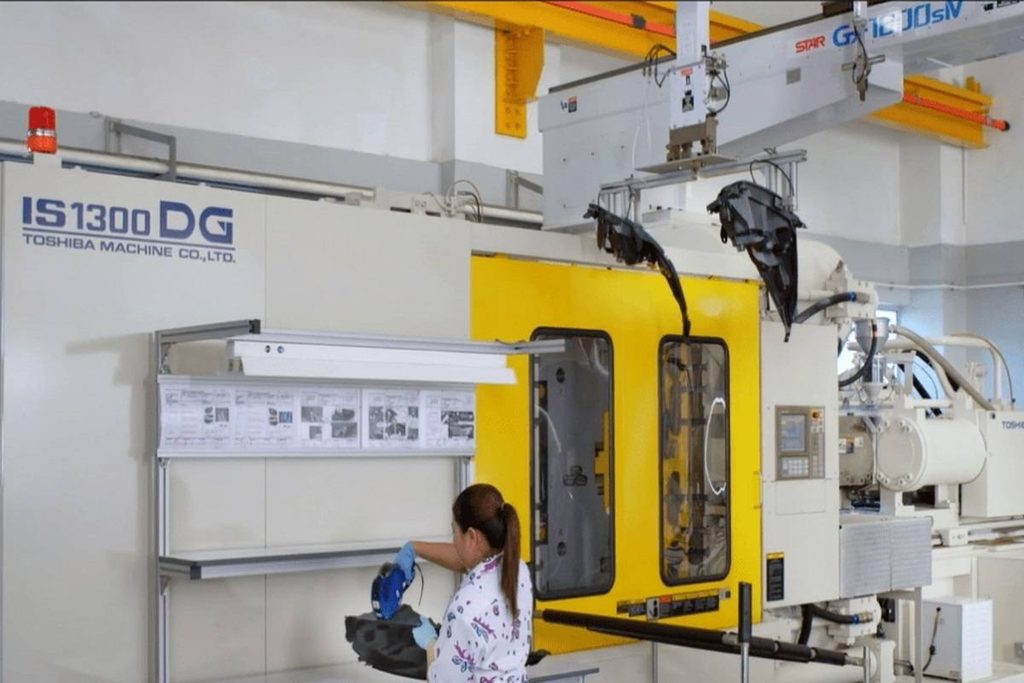
Plastic injection molding is widely used to manufacture accurate, repeatable plastic components for industries such as automotive, electronics, medical devices, consumer products, and industrial equipment. However, the price of an injection molding project is not determined by one factor alone. Tooling requirements, material selection, production volume, part design, machine capacity, labor, finishing, and quality standards can all influence the final quotation.
For businesses planning production in Malaysia, understanding these cost factors can make it easier to compare suppliers, prepare realistic budgets, and identify opportunities to reduce unnecessary expenses. Here are the major factors that affect Plastic Injection Molding Malaysia prices.
Mold Cost
The mold is often one of the largest initial investments in the Plastic Injection Molding Malaysia project. Its price depends heavily on the size, complexity, construction method, expected production life, and materials used for the tooling. Simple parts with straightforward geometries generally require less machining and fewer components, while complicated molds may need sliders, lifters, inserts, special cooling systems, or other mechanisms.
Mold steel selection also affects the investment. A lower-cost mold material may be appropriate for prototypes or limited production, while hardened or premium steel can be more suitable for high-volume manufacturing because of its longer service life. Although a durable mold may cost more initially, it can provide better long-term value by reducing wear and maintenance requirements.
Part Design
The design of the plastic component has a direct effect on manufacturing costs. Large parts normally require larger molds and machines, while intricate parts demand more engineering and machining work.
Features that may increase costs include:
- Undercuts and side actions
- Very thin walls or deep ribs
- Complex internal geometries
- Tight dimensional tolerances
- Fine textures and cosmetic surfaces
- Threads, snap-fits, and precision details
A design that is difficult to mold may require specialized tooling and additional production controls. For this reason, design-for-manufacturing analysis before mold construction can help identify features that can be simplified without affecting the function of the finished component.
Material Selection
The type of plastic resin used is another important pricing factor. Commodity materials such as polypropylene and polyethylene are generally more economical, while engineering plastics can have substantially higher material costs.
Materials may be selected according to requirements such as strength, heat resistance, chemical resistance, impact performance, appearance, or dimensional stability. Specialty, reinforced, flame-retardant, or modified grades can further increase the cost of each molded part. Material consumption also matters because a heavier component requires more resin per cycle, increasing the recurring production cost.
Production Volume
Production quantity has a major impact on the final price per part. The initial mold investment is generally distributed across the total number of components manufactured. As production volume increases, the tooling cost can be spread across more parts, reducing the tooling contribution to the unit price. Plastic Injection Molding Malaysia projects with higher production volumes can therefore achieve lower per-part costs.
For low-volume orders, a simple mold may be more economical because the tooling investment does not have to be optimized for millions of cycles. For large production programs, investing in durable tooling and multiple cavities can make more financial sense. Suppliers usually need to know the expected annual quantity, batch size, and projected product lifespan before preparing an accurate quotation.
Machine Requirements
The injection molding machine used for production also contributes to the overall price. Different parts require different machine capacities depending on their dimensions, material, mold size, injection pressure, and projected shot weight.
Larger or technically demanding components may require higher-tonnage equipment. Advanced machines can also provide better process control and repeatability, but their operating costs may be higher. Machine selection should therefore be based on the technical requirements of the mold rather than simply choosing the largest available machine.
Cycle Time
Cycle time refers to the amount of time required to complete one molding cycle. It normally includes mold closing, injection, holding, cooling, mold opening, and part ejection.
A shorter cycle can allow more components to be produced within the same working period, improving productivity. Efficient cooling design is particularly important because cooling can represent a significant portion of the molding cycle. Part thickness, resin characteristics, mold temperature, cooling-channel design, and machine settings can all influence cycle time.
Labor and Automation
Labor costs can contribute to the overall manufacturing price, particularly when a project requires manual inspection, assembly, trimming, packaging, or other secondary operations. Plastic Injection Molding Malaysia production may involve different labor requirements depending on the complexity and volume of the project.
Automation can reduce repetitive manual work and improve consistency. However, automated systems require additional investment in equipment, programming, maintenance, and integration. Whether automation reduces the final cost depends on production volume and the amount of repetitive work involved.
Surface Finish
The required appearance of the finished component can influence tooling and production costs. Functional components hidden inside a product may require relatively simple finishes, whereas visible consumer products can demand polished, textured, or highly consistent surfaces.
High-quality cosmetic finishes require additional mold preparation and skilled finishing work. Mirror polishing, fine textures, and specialized surface treatments can increase both tooling time and cost. Therefore, manufacturers should specify appearance requirements clearly during the quotation stage.
Quality Requirements
Higher quality standards can increase production costs because they require more detailed inspections, process controls, testing, and documentation. Components used in demanding industries may have strict dimensional, functional, or traceability requirements.
Tighter tolerances also require more precise tooling and process control. A mold designed to maintain extremely small dimensional variations can require advanced machining and validation compared with a tool intended for a less demanding application.
Runner System
The choice between cold-runner and hot-runner systems can affect the initial mold price and long-term production economics. Cold-runner molds are generally simpler and less expensive to build, but the runner material solidifies during each cycle.
Hot-runner systems can reduce runner waste and may shorten cycles, but they involve additional components and higher initial tooling costs. The appropriate option depends on the material, production volume, cavity configuration, and overall project requirements.
Supplier Capabilities
The capabilities of the selected manufacturer can also influence the quotation. A supplier with in-house mold design, tooling, machining, injection molding, inspection, and maintenance capabilities may be able to manage the project more efficiently. Plastic Injection Moulding Manufacturers Malaysia with comprehensive capabilities can provide better control over different stages of production.
The cheapest quotation is not necessarily the lowest overall cost. Poor tooling, inconsistent process control, excessive scrap, delayed modifications, and frequent maintenance can increase the total cost over the life of a project.
How to Control Costs?
Businesses can reduce unnecessary injection molding expenses by making cost-conscious decisions before production begins. A practical approach includes:
- Simplifying complex part features where possible
- Selecting a suitable resin instead of unnecessarily expensive materials
- Optimizing wall thickness and part weight
- Choosing the appropriate cavity count for expected volume
- Designing efficient cooling into the mold
- Selecting mold steel according to the required production life
- Reducing unnecessary secondary operations
- Comparing quotations based on total value rather than tooling price alone
Early communication between the product designer and molding manufacturer can help identify many of these opportunities before expensive tooling decisions are finalized.
Why Choose PTD Over Others?
Professional Tools & Dies Sdn Bhd (PTD) provides tooling and injection molding solutions with a focus on precision, quality, and reliable production. Experience in mold design, tooling, machining, and injection molding makes it an affordable choice for businesses seeking quality manufacturing solutions.
PTD focuses on practical solutions based on product design, production volume, material requirements, and quality expectations. By combining technical expertise with efficient manufacturing processes, it aims to provide consistent results and competitive value.
Conclusion
Plastic injection molding prices in Malaysia are influenced by a combination of tooling, materials, design, production volume, machine requirements, cycle time, labor, quality standards, and additional manufacturing processes. No single factor determines the final price, and two parts with similar dimensions can have significantly different production costs because their designs and manufacturing requirements differ.
The best way to achieve a competitive price is to evaluate the complete production process rather than focusing only on the initial mold quotation. Careful product design, suitable material selection, efficient tooling, appropriate production volumes, and a capable manufacturing partner can help achieve the right balance between cost, quality, and long-term reliability.
