
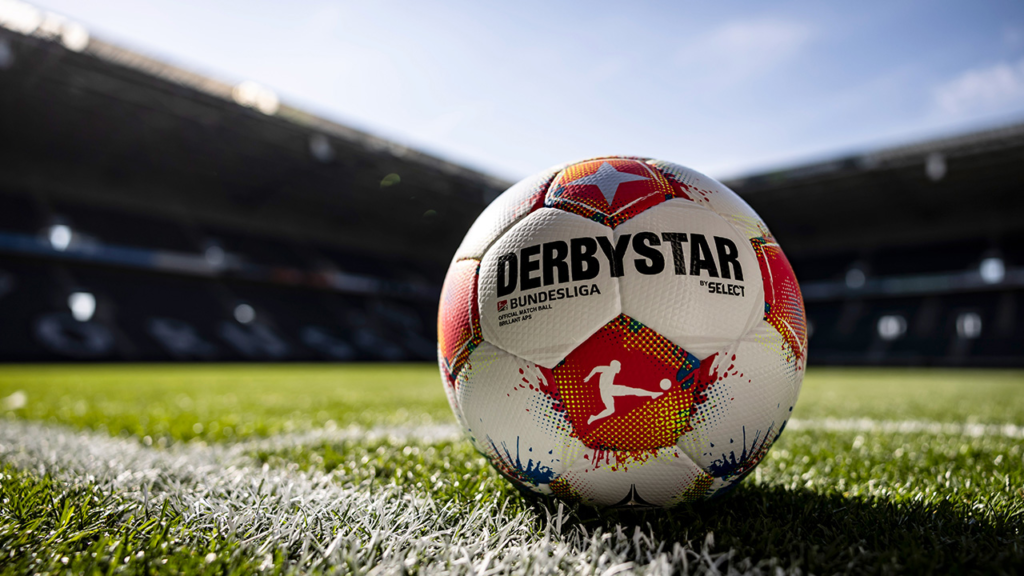
The Bundesliga is more than just Germany’s top football competition; it is a league built on tradition, innovation, and passionate fan culture. From tactical intensity to youth development and electrifying stadium atmospheres, it offers a distinctive identity within European football. In this article, we explore what truly sets the Bundesliga apart and why it continues to capture the attention of fans around the world season after season.
The Identity And History Of The Bundesliga
Founded in 1963, the Bundesliga was created to unify Germany’s fragmented regional competitions into one professional national league. From its earliest seasons, it quickly established a reputation for discipline, organization, and tactical intelligence qualities often associated with German football. Over the decades, the league has evolved alongside the country’s social and sporting transformation, becoming one of Europe’s most respected competitions.
A defining feature of the Bundesliga’s identity is the 50+1 ownership rule, which ensures that club members retain majority voting rights. This structure preserves tradition, strengthens fan involvement, and prevents complete corporate control. As a result, clubs maintain deep community roots while still competing at the highest level of European football.
Historically, dominant eras particularly those led by giants like Bayern Munich have shaped the league’s global profile. Yet the Bundesliga is more than just titles and trophies. It represents attacking football, tactical innovation, and a commitment to youth development. Today, whether fans watch in packed German stadiums or stream matches online through platforms like Xoilac match live, the league’s strong identity and rich history continue to define what makes it truly unique.
Tactical Identity And Playing Style
The Bundesliga is widely recognized for its dynamic and forward-thinking tactical approach. German football blends structure with intensity, creating matches that are both disciplined and thrilling. This identity has influenced modern football across Europe and continues to shape how teams prepare, compete, and evolve each season.
High-Intensity Pressing And Quick Transitions
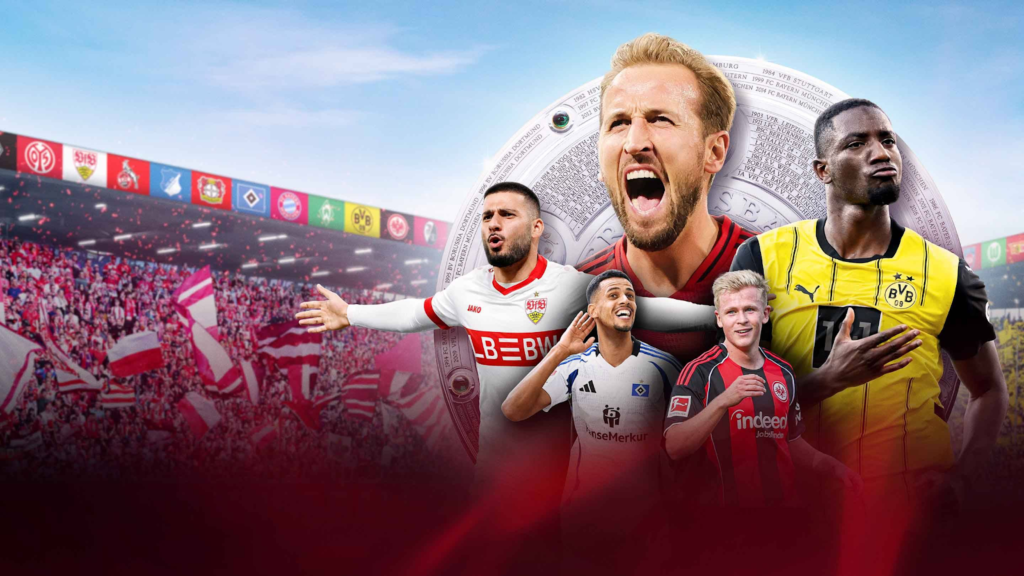
One of the defining characteristics of Bundesliga football is high-intensity pressing. Teams often apply coordinated pressure immediately after losing possession, aiming to win the ball back within seconds. This aggressive style, commonly associated with gegenpressing, forces opponents into mistakes and creates rapid attacking opportunities. Quick vertical transitions are equally important, as teams move the ball forward at speed to exploit defensive gaps. The result is a fast-paced game that keeps spectators engaged from the first whistle to the last.
Tactical Flexibility And Modern Coaching
Bundesliga managers are known for their tactical intelligence and adaptability. Formations frequently shift between defensive and attacking phases, with full-backs pushing high and midfielders rotating positions fluidly. Coaches emphasize data analysis, physical conditioning, and strategic planning, making each match a carefully constructed battle of ideas. For fans and analysts studying a match forecast, tactical adjustments often play a decisive role in predicting outcomes.
Commitment To Attacking Football
Another hallmark of the league is its commitment to attacking play. Bundesliga matches regularly produce high goal averages, as teams prioritize creativity and forward momentum. Young talents are encouraged to take risks, while experienced players provide structure and composure. This balance between bold attacking intent and organized defensive systems creates entertaining, open contests that define the league’s playing style.
Fan Culture And Matchday Experience
Few leagues in the world can rival the emotional intensity and authenticity of the Bundesliga when it comes to supporter culture. Matchday in Germany is more than just 90 minutes of football; it is a ritual shaped by history, loyalty, and deep community roots. From pre-match gatherings to post-game celebrations, fans are at the heart of the league’s identity.
Passionate Supporters And Stadium Atmosphere
Bundesliga stadiums are famous for their electrifying atmospheres. Week after week, arenas are filled with coordinated chants, massive tifos, and relentless singing that continues regardless of the scoreline. Supporters’ groups carefully prepare visual displays that transform stands into seas of color. The famous “Yellow Wall” of Borussia Dortmund is just one iconic example of how fan sections create an intimidating yet inspiring environment. This passion is not manufactured; it grows from generations of loyalty passed down through families. The result is an authentic football experience that feels raw, loud, and emotionally charged.
Affordable Access And Community Connection
Unlike many top European leagues, the Bundesliga remains committed to accessibility. Ticket prices are relatively affordable, allowing students, families, and lifelong supporters to attend matches regularly. The 50+1 ownership structure ensures that fans maintain a voice in club decisions, strengthening the bond between teams and their communities. Stadiums are not just sporting venues; they serve as social gathering spaces where local identity is celebrated. This close connection between clubs and supporters fosters long-term loyalty rather than short-term commercial appeal.
Traditions, Rituals, And Matchday Rituals
Matchday traditions play a crucial role in shaping the overall experience. From pre-game songs echoing through the stands to fans standing shoulder-to-shoulder in safe-standing sections, the Bundesliga preserves elements of classic European football culture. Many supporters arrive hours before kickoff to share food, drinks, and conversations around the stadium. After the final whistle, players often approach the stands to thank fans directly, reinforcing mutual respect. These rituals create a sense of belonging that extends far beyond the pitch, making Bundesliga matchdays unforgettable for anyone lucky enough to experience them.
Conclusion
In conclusion, the Bundesliga stands out not only for its competitive football but for the values that define it. From tactical innovation and youth development to passionate fan culture and community-driven ownership, the league maintains a unique balance between modern professionalism and tradition. Its high-intensity matches and vibrant stadium atmospheres continue to captivate audiences worldwide. More than just Germany’s top division, the Bundesliga represents an authentic football experience where supporters, players, and clubs remain deeply connected at every level of the game.
