
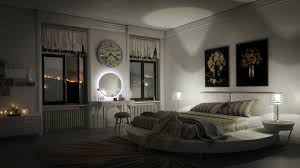
The bedroom darkness conversation usually shows up in passing. Someone mentions they sleep poorly. A friend says they got blackout curtains. End of discussion. Most people never circle back to think about how much light leaks into their bedroom at night, or what it costs them in sleep quality.
It’s more than people realize. A streetlight outside the window, a neighbor’s porch light, the glow from a digital clock, the hallway sliver under the door. None of these feel like much on their own. Together they keep the brain partially activated, which shows up as restless sleep, weird dreams, and that vaguely tired feeling people blame on a hundred other things.
Light is the main signal the body uses to set its internal clock. The eyes detect even small amounts of light through closed lids, and the brain adjusts melatonin production in response. A properly dark bedroom is not a luxury or a design choice. It’s how the body is built to sleep. Window treatments like Blindster’s bedroom blackout solutions address the largest light leak in most rooms, which is the window itself, and they do it without sacrificing the look of the space.
What Counts as “Dark Enough”
Most people overestimate how dark their bedroom is. One common rule of thumb in sleep discussions: if you can see your hand in front of your face after your eyes adjust, the room probably isn’t dark enough.
That standard surprises people. A bedroom can feel dark and still have enough ambient light to affect sleep. Even small amounts of light can affect sleep quality.
The Sleep Foundation lists ambient light as one of the top environmental factors that disrupts sleep quality. It’s also one of the easier ones to address.
The Window Is the Main Offender
Standard curtains are the most common bedroom window treatment. They’re also the least effective for blocking light. Light leaks around the edges, through the fabric weave, and from the gap at the top where the curtain rod sits.
A proper blackout solution addresses the window opening, not just the glass. That means:
- Fabric that blocks 100% of incoming light, not just dims it
- Side channels or a mounting style that minimizes edge leakage
- Coverage that extends past the window frame, not just the glass area
Blackout roller shades and blackout cellular shades are the two most common options. Roller shades give a clean modern look. Cellular shades have a fabric-folded design that fits snugly into the window opening. Many shade brands, including Blindster, offer these in a range of colors and finishes rather than only the standard white or beige most people assume blackout means.
What the Research Says
The connection between light and sleep is supported by a growing body of research. According to the Centers for Disease Control and Prevention, exposure to light during the sleep period is associated with shorter sleep duration, more frequent awakenings, and lower-quality rest overall.
A few things the research consistently shows:
- Even moderate light during sleep can suppress melatonin production
- Light exposure in the early morning hours signals the body to wake up before the alarm
- Repeated light disruption over time correlates with poorer health markers beyond just feeling tired
These are measurable, repeated findings across multiple studies.
What People Notice After the Switch
Anecdotally, the most common feedback after installing proper blackout shades is a more consistent feeling of being rested in the morning, not necessarily longer sleep duration. The body tends to cycle through sleep stages more cleanly when light doesn’t interrupt the process.
A few other things people often report:
- An easier time falling back asleep after a middle-of-the-night wake-up
- Less reliance on sleep aids or melatonin supplements
- Better tolerance for the occasional late night, because the sleep that does happen is more recoverable
None of this is a miracle cure for sleep problems with deeper causes. It is a low-effort fix for one of the bigger environmental contributors.
Other Light Sources Worth Addressing
Once the window is handled, the smaller offenders become more noticeable. The list usually includes:
- Digital clock displays facing the bed
- Charging electronics with status lights
- Smoke detector LEDs
- Hallway light leaking under the door
- Bathroom nightlights on the same level
Some of these can be taped over or unplugged. A door draft stopper handles the hallway gap. The point isn’t to chase every last bit of light, just to get the room dark enough that ambient light isn’t affecting sleep.
What to Look For in a Blackout Shade
Not all shades labeled blackout deliver on the name. A few things to verify before buying:
- The fabric is rated 100% opaque, not “room darkening” (those terms get used interchangeably in marketing, but they mean different things)
- The mounting option fits the window type (inside mount, outside mount, or extending past the frame)
- The lift system suits the location (cordless options are recommended for bedrooms with children)
- The color and texture match the room’s existing look
Most reputable shade companies offer free samples. Order them before committing. Light blocking is hard to evaluate from a website photo.
The Sleep Upgrade That Doesn’t Cost Much
The hierarchy of sleep upgrades usually starts with the mattress, then moves to pillows, then to sheets. Window treatments are often an afterthought.
For most people, getting the room properly dark is one of the cheapest and most immediate sleep upgrades available. The investment is modest, the installation is straightforward, and many people notice the difference immediately. The hard part is realizing that a bedroom that feels dark and a bedroom that is genuinely dark are two different things.
