
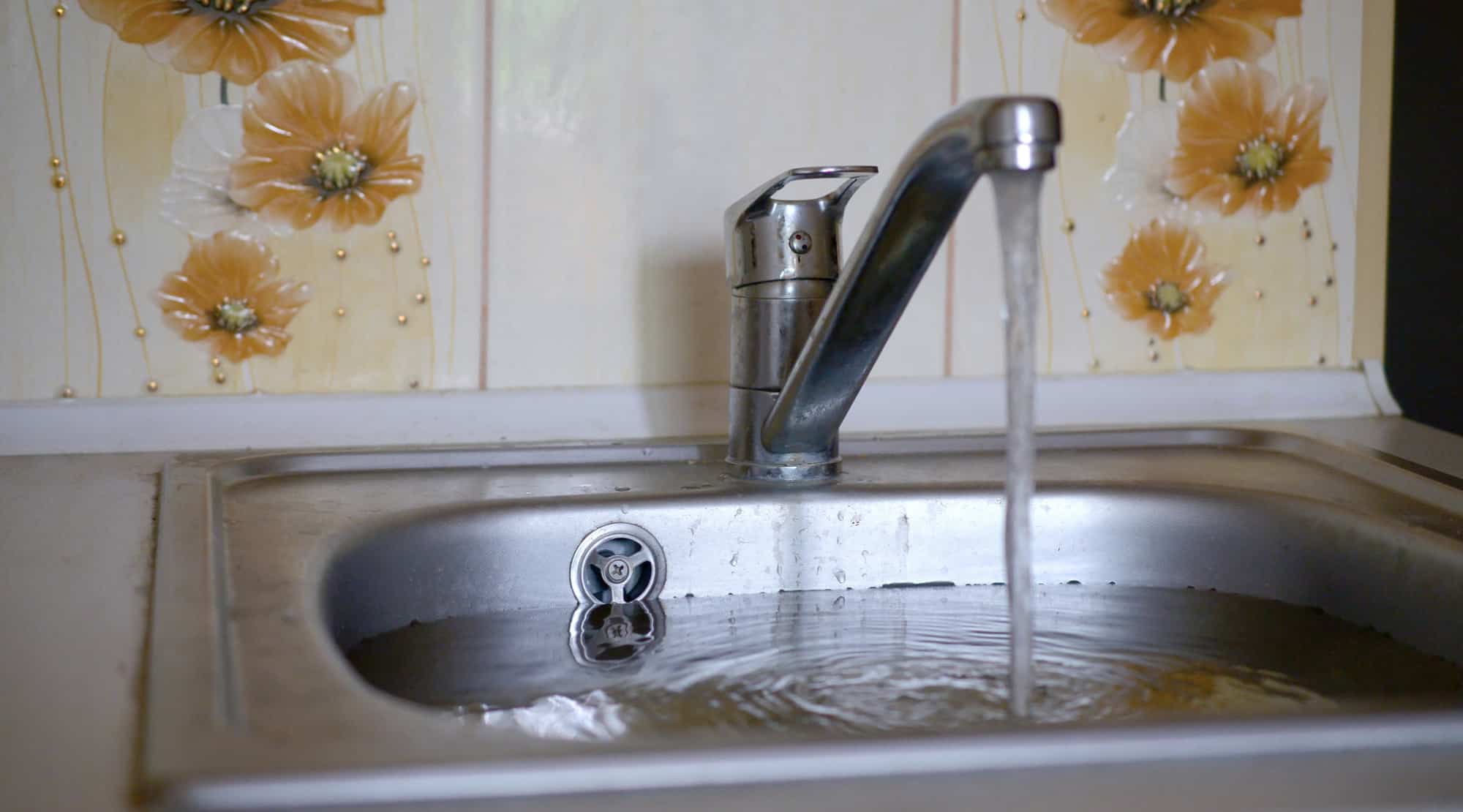
When one sink drains slowly, but every other fixture in the home seems to work normally, the problem is usually isolated rather than system-wide. That distinction matters because it changes where the issue is likely to be found. A whole-house drainage problem often affects multiple fixtures at the same time, but one sluggish sink usually points to a blockage, venting issue, or buildup close to that specific drain line. The water may still go down, but it lingers longer than it should, pools around the stopper, or creates a gurgling sound before finally clearing. Those symptoms may seem minor at first, yet they often signal a restriction that is gradually getting worse. Understanding why only one sink is affected helps narrow the cause and explains why the rest of the plumbing can appear perfectly normal while that single drain keeps slowing down.
Tracing a Single Slow Drain
- Where The Restriction Begins
A slow sink often starts with a buildup near the drain opening or inside the trap directly below it. In a bathroom sink, soap residue, toothpaste, skin oils, and hair can cling to the sides of the pipe and slowly narrow the passage through which water must flow. In a kitchen sink, grease, food debris, and soap film can accumulate layer by layer until drainage noticeably slows. Because this kind of blockage forms close to the fixture, the rest of the plumbing may continue working without any obvious trouble. Water from showers, toilets, tubs, or other sinks may still drain normally because their lines are not affected by that localized restriction. The reason the problem seems limited is that the clog has not spread into the shared branch or main drain. In many homes, this kind of slow drain develops gradually, which is why people often adjust to it for a while before realizing the sink takes far too long to empty after normal use.
Regular cleaning can help prevent these materials from building up and turning a slow drain into a complete blockage. Scheduling professional drain cleaning is especially important when recurring buildup suggests a deeper issue that routine maintenance cannot resolve. For persistent or severe drainage problems, services such as main sewer line repair las vegas may be needed to identify and address underlying problems before they worsen.
- Why One Fixture Can Act Alone
The plumbing system in a home works as a network, but each sink still has its own immediate set of components that can create isolated trouble. The pop-up assembly, trap, short horizontal drain arm, and the relationship with the nearby vent all influence how quickly water leaves that fixture. If one of those sections develops buildup or poor flow, that single sink may struggle while everything else continues to perform as expected. A sink that drains slowly, even though the toilet, tub, and laundry line are fine, often has a problem in the short stretch of piping that serves only that basin. Homeowners searching for Jackson, TN, Plumbing Repair Contractors often run into this exact issue when one bathroom sink acts up, but the rest of the house gives no warning signs. That pattern usually tells a plumber to focus on the fixture’s own drain path first, rather than assuming a larger sewer or main line failure deeper in the system.
- Venting And Hidden Flow Problems
Not every slow sink is caused by visible debris packed near the opening. In some cases, the issue involves the way air moves through the drain system. Plumbing drains need proper venting so water can flow freely without creating a vacuum that slows movement. If the vent serving one sink is partially blocked or poorly connected, the water may drain hesitantly, bubble, or make sucking sounds, while the rest of the plumbing still seems unaffected. This can be confusing because the line is not completely clogged, yet the sink still empties too slowly. A partial blockage farther down the branch line can also cause this symptom if it occurs at a point that primarily affects one fixture before the line joins the larger system. Mineral scale inside older metal piping can make matters worse by narrowing the pipe over time. In that case, the sink may drain slowly, not because something suddenly fell in, but because the drain’s interior diameter has been gradually shrinking over the years.
Why Early Attention Matters
A single slow sink may seem easy to ignore because everything else in the plumbing system still works, but that narrow problem often becomes more disruptive when left alone. A restriction near the sink can continue to collect debris until water begins backing up more frequently or odors start rising from the drain. If the issue involves venting or pipe deterioration, slow drainage may recur unless the underlying cause is identified and corrected. What makes this problem manageable is the fact that it is often contained to one fixture when caught early. That allows the repair to stay focused on the sink’s own drain assembly, nearby piping, or the vent connection, rather than expanding into a much larger plumbing project. When one sink drains slowly while the rest of the house works fine, the uneven behavior is the clue. It usually means the problem is close, localized, and still limited enough to address before it turns into a more stubborn blockage.
