
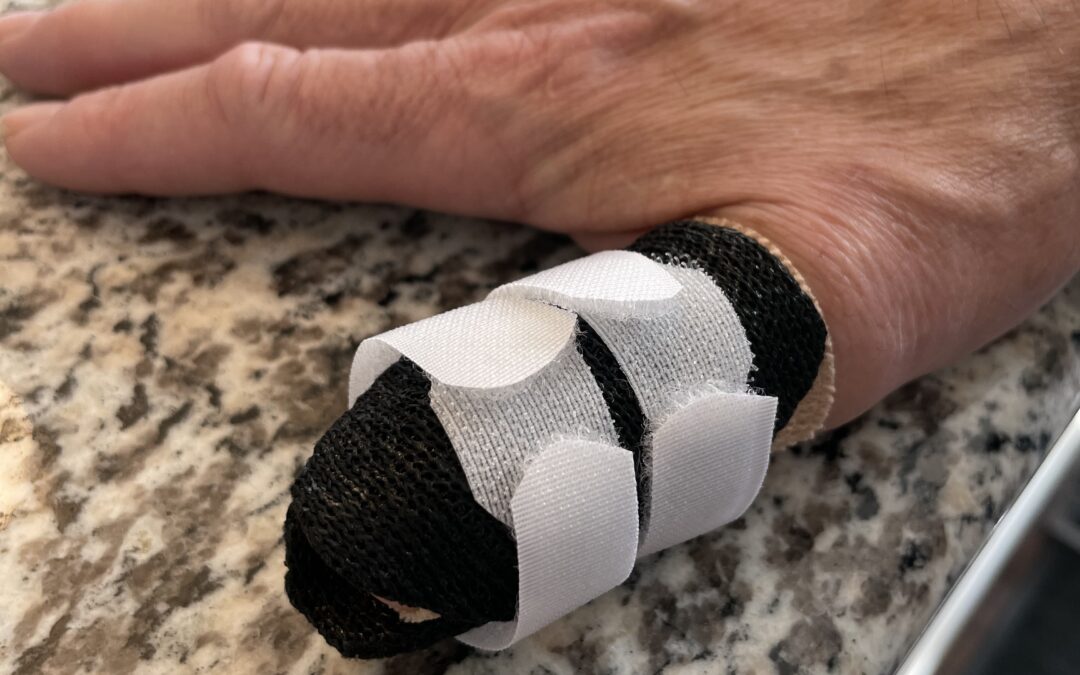
Thumb and wrist discomfort mostly interferes with daily comfort and activities. There is a high chance that you’ve heard of thumb splints and wrist splints if you’ve ever dealt with thumb and wrist injuries. Both are made to support your hand. But they have particular differences in which part of the hand they support. Finding the right support is a necessary measure.
This applies in all cases of thumb and wrist discomfort, starting from repetitive strain, sports injuries, and chronic conditions. Picking the right support simply affects your recovery and performance. Some of us do not realize how important it is to understand the distinction between thumb and wrist splints. This determines how you will heal and the effectiveness of your recovery.
Let us uncover the differences to note between a thumb splint and a wrist splint.
Defining a Thumb Splint
A thumb splint is an orthopedic support designed to stabilize the thumb. This device is also commonly referred to as a thumb spica splint. It extends along the thumb to keep the joints in a neutral and resting position. The main objective of a thumb support is to restrict movement at the joints located at the middle and the base of the thumb.
Several thumb supports have rigid/semi-rigid stays. These components run along the side or back of the thumb to prevent bending and twisting. The rest of the support usually secures around the wrist to anchor the support in place. However, the main focus of the immobilization remains on the thumb itself.
Defining a Wrist Splint
A wrist splint is an orthopedic aid basically meant to immobilize the wrist joint. It is crafted to keep the wrist in a stable and balanced manner. It soothes tension on the median nerve and alleviates strain on the wrist tendons.
Wrist splints usually have a rigid palmar splint. This is a flat piece of metal or plastic that sits against the palm of the hand. It prevents the wrist from flexing downward. This aid wraps around the forearm and hand. It is secured with multiple straps to ensure a firm fit. A wrist support does not extend up the thumb as a thumb splint does.
Thumb Splint vs Wrist Splint
| Feature | Thumb Splint | Wrist Splint |
| Main Target | Thumb joints | Wrist joints |
| Immobilization Level | High for the thumb | High for the wrist |
| Finger Mobility | Fully free | Fully free |
| Thumb Mobility | Highly restricted | Fully free |
| Common Use Case | Texting thumbSkier’s thumbFracture | Carpal Tunnel SyndromeArthritisRepetitive Strain Injury |
| Rigid Component Location | Along the side of the thumb | Underneath the palm and wrist |
How to Determine Which Splint You Need
Identifying the correct support requires careful observation of your symptoms.
- Locate the exact centre of the pain. A thumb support is likely needed if it is only around the thumb column. A wrist splint is generally appropriate if it extends to the wrist.
- Monitor which actions trigger the discomfort. Pain caused by gripping a glass and pinching an object points toward a thumb issue. Pain caused by pushing doors open and lifting heavy objects points toward a wrist issue.
- Observe any swelling and redness. Swelling around the base of the thumb indicates a localized thumb injury. Swelling that covers the back of the hand or wrist area indicates a broader wrist issue.
Final Thoughts
The ability to tell the difference between a thumb spica splint and a wrist splint is really necessary. You can not just use any of these orthopedic aids based on your own judgment. Choosing between a thumb splint and a wrist splint is a matter of identifying the source of your discomfort.
- A thumb support is essential for protecting the joints of the thumb. It enables targeted healing of ligaments and tendons.
- A wrist splint provides the broad stability required to protect the wrist joint and relieve nerve pressure.
You can support your recovery process effectively just by selecting the correct aid. Implement tips such as ensuring a proper fit and maintaining proper care of your thumb/wrist support. Seek professional assistance to prevent confusion. This also makes sure that you prevent risky decisions that might trigger more discomfort and further injury.
FAQS
1. Does a single support work for both the thumb and the wrist?
Yes. There are combination braces known as wrist and thumb stabilizers. These devices feature a full wrist splint with an attached thumb spica extension. They are ideal for when immobilization is needed for both the wrist and the thumb.
2. Can I wear a wrist splint for thumb pain?
No. A wrist splint will not provide adequate support for thumb pain. It leaves the thumb free to move. The injured thumb joints will not get the rest they need to heal properly.
3. Is it safe to exercise my fingers when wearing a wrist/thumb splint?
Yes. Light exercise helps prevent stiffness. Just avoid any exercises that are intense.
4. Why is my splint causing skin irritation?
Check if the splint is positioned in the right way. Adjust the strap tension. You may also add a thin layer of cotton padding.
